THE ADVENTURE COLLECTIVE® · Independent discovery and booking for outdoor travel

Walk Genoa’s Porto Antico and watch centuries of maritime history unfold — from crusader-era docks to Renzo Piano’s modern harbor makeover. This two-hour, mostly accessible tour blends seaside views with architectural and financial history.
Walk Genoa’s Porto Antico and watch centuries of maritime history unfold — from crusader-era docks to Renzo Piano’s modern harbor makeover. This two-hour, mostly accessible tour blends seaside views with architectural and financial history.
You step off the cruise gangway and the sea greets you with a briny gust that seems to push the city’s past toward the present.
Verified experiences and guided adventures in the surrounding area.
Operated by Genova Walks · Genoa, Liguria
You step off the cruise gangway and the sea greets you with a briny gust that seems to push the city’s past toward the present.
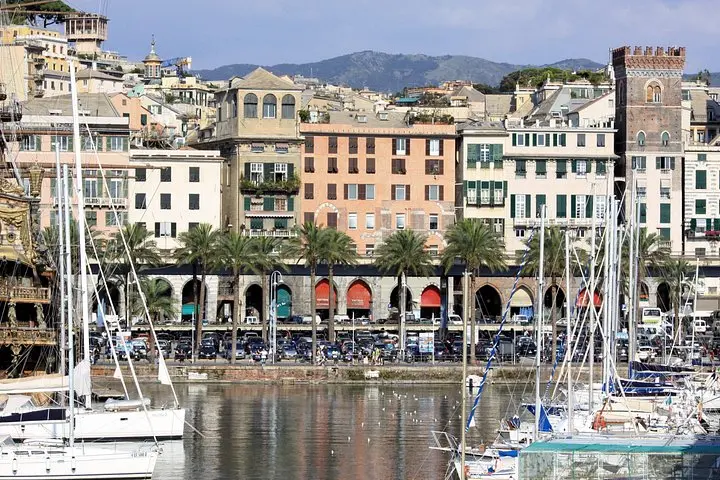
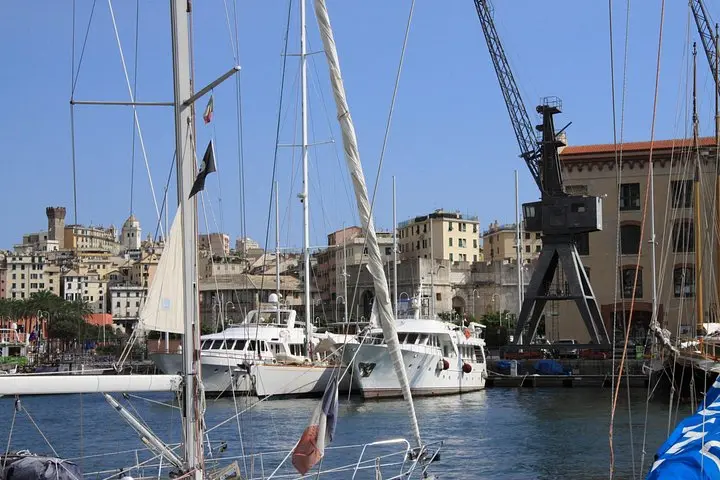
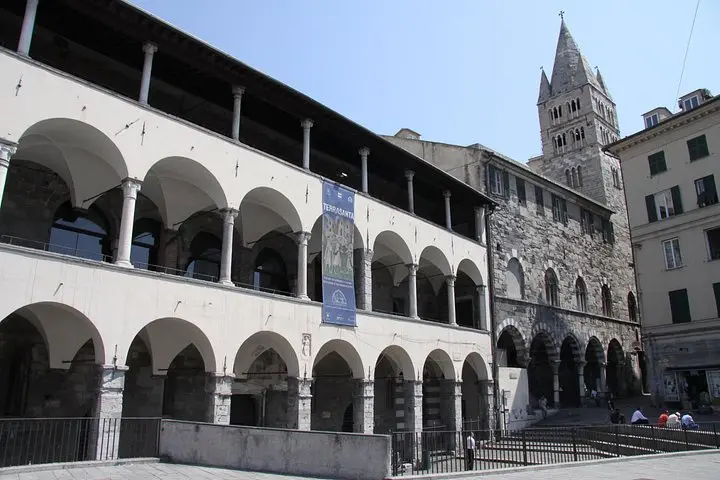
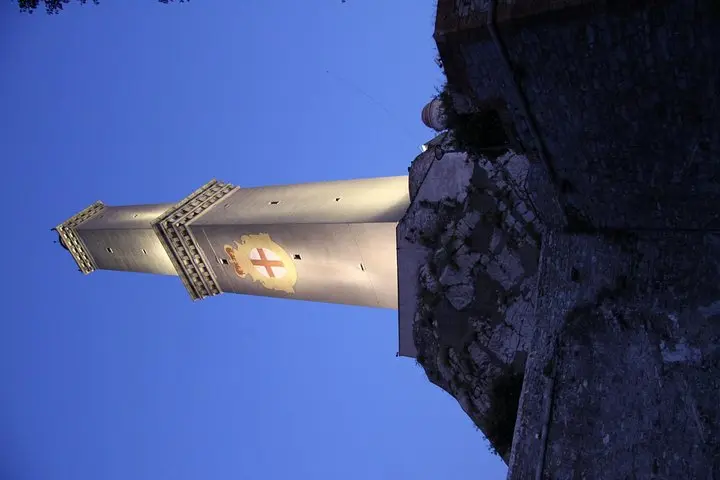
This two-hour guided walk threads the old piers and nineteenth-century warehouses of Genoa’s Porto Antico, moving from the reconstructed Maritime Station past the Aquarium and under the stone arcades of Sottoripa. The tour charts the port’s long arc: a medieval maritime republic that financed Crusades, a Renaissance trading hub, and a modern gateway reshaped by Renzo Piano in 1992 to receive international cruise traffic.
Geology here is simple and visible — steep Ligurian bedrock rising quickly into the city’s narrow alleys — and culture is dense: palaces like Palazzo San Giorgio recall Genoa’s early banking innovations (the Bank of Saint George was an early model of public finance), while the waterfront’s adaptive reuse illustrates late-20th-century urban regeneration.
Expect a mix of flat quays and cobbled passages, short stair pitches, and a handful of indoor visits when sites are open. The guide uses illustrative panels to explain the port’s changing role; conversations often touch on shipbuilding, maritime law, and local seafood markets.
Practical edge: bring supportive shoes for cobbles, a light rain layer (weather can shift quickly off the Ligurian Sea), and a small bottle of water. The route is wheelchair accessible in key sections, but confirm access for specific interior stops. Best times are morning or late afternoon light for photography and cooler walking. This is urban exploration with a maritime heartbeat — history under your feet and the sea daring you to look farther out.
The guided walk lasts about two hours and covers the Porto Antico area and selected interior stops when open.
Many waterfront sections and paths are wheelchair accessible, but interior access to some historic buildings can vary—ask the operator for specifics when booking.
This walking tour includes narration and some internal visits where noted, but major attractions like the Aquarium typically require separate admission unless specified.
Yes—strollers are possible in many areas, but expect cobbles and occasional stairs; infants are commonly required to sit on laps for transport portions.
Genova Walks operates guided outdoor trips and adventures with an emphasis on safety, stewardship, and memorable experiences.
You step off the cruise gangway and the sea greets you with a briny gust that seems to push the city’s past toward the present.
You step off the cruise gangway and the sea greets you with a briny gust that seems to push the city’s past toward the present.
This two-hour guided walk threads the old piers and nineteenth-century warehouses of Genoa’s Porto Antico, moving from the reconstructed Maritime Station past the Aquarium and under the stone arcades of Sottoripa. The tour charts the port’s long arc: a medieval maritime republic that financed Crusades, a Renaissance trading hub, and a modern gateway reshaped by Renzo Piano in 1992 to receive international cruise traffic.
Geology here is simple and visible — steep Ligurian bedrock rising quickly into the city’s narrow alleys — and culture is dense: palaces like Palazzo San Giorgio recall Genoa’s early banking innovations (the Bank of Saint George was an early model of public finance), while the waterfront’s adaptive reuse illustrates late-20th-century urban regeneration.
Expect a mix of flat quays and cobbled passages, short stair pitches, and a handful of indoor visits when sites are open. The guide uses illustrative panels to explain the port’s changing role; conversations often touch on shipbuilding, maritime law, and local seafood markets.
Practical edge: bring supportive shoes for cobbles, a light rain layer (weather can shift quickly off the Ligurian Sea), and a small bottle of water. The route is wheelchair accessible in key sections, but confirm access for specific interior stops. Best times are morning or late afternoon light for photography and cooler walking. This is urban exploration with a maritime heartbeat — history under your feet and the sea daring you to look farther out.