THE ADVENTURE COLLECTIVE® · Independent discovery and booking for outdoor travel

Explore Kurashiki at a human pace on a guided Brompton cycling tour that links igusa workshops, a quiet temple, and the Bikan Historical Quarter. Expect flat roads, frequent cultural stops, and a locally hosted café break.
Explore Kurashiki at a human pace on a guided Brompton cycling tour that links igusa workshops, a quiet temple, and the Bikan Historical Quarter. Expect flat roads, frequent cultural stops, and a locally hosted café break.
You roll away from Kurashiki Station and the city’s canals seem to lean in, their slow water daring you to match its measured pace. The small chain whirs of a Brompton beneath you; narrow streets open to sunlit courtyards, and the rush-grass fields beyond the town breathe a different, older rhythm.
Verified experiences and guided adventures in the surrounding area.
Operated by Local Treasures · Kurashiki, Okayama Prefecture
You roll away from Kurashiki Station and the city’s canals seem to lean in, their slow water daring you to match its measured pace. The small chain whirs of a Brompton beneath you; narrow streets open to sunlit courtyards, and the rush-grass fields beyond the town breathe a different, older rhythm.
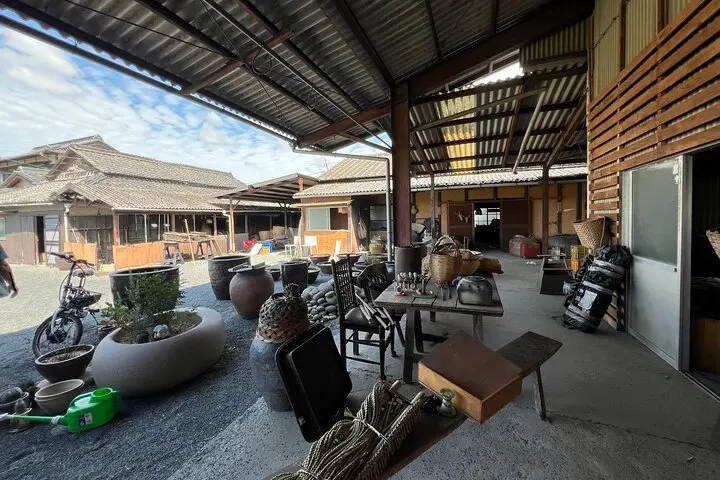
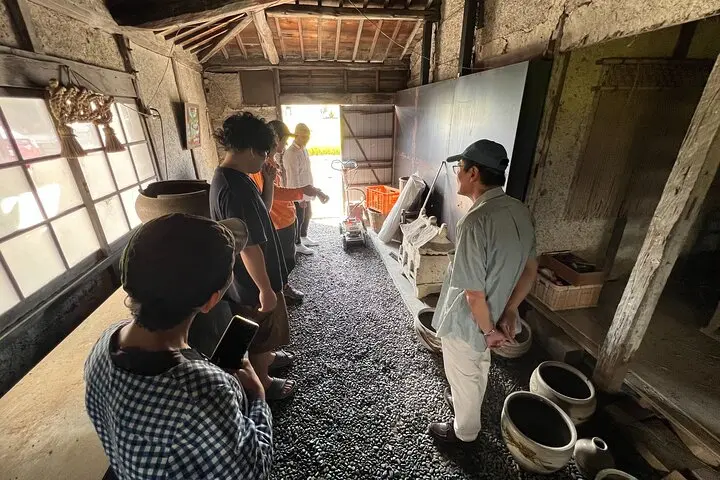
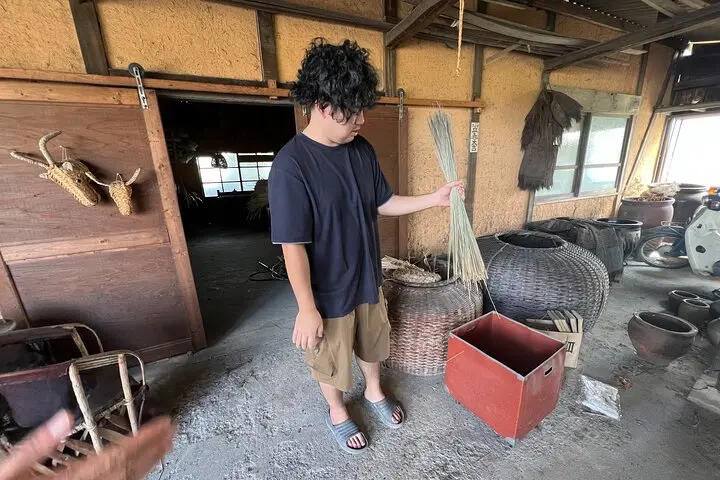
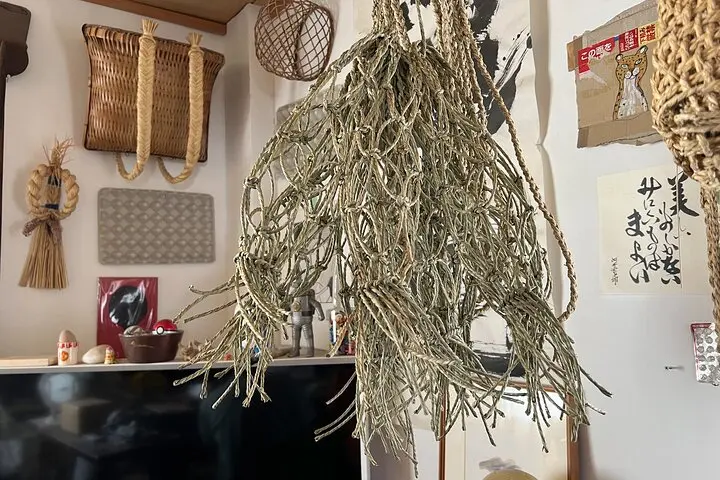
Kurashiki’s Bikan Quarter grew wealthy as an Edo-period rice warehouse district; its white-walled kura and willow-lined canals still frame the same commerce that shaped local craft traditions. Geologically, the area sits on a flat alluvial plain where rivers once deposited the sedge and rushes—igusa—that became tatami and woven goods. Culturally, the route balances artisan workshops and neighborhood shrines: the Rush Grass Atelier, Arawazu-Kannon Temple’s quiet steps, and the Kurashiki Folkcraft Museum are stops that show local techniques and daily life rather than curated spectacle.
Practically, expect a relaxed 3.5–4 hour loop on foldable Bromptons provided by the guide; terrain is flat, mostly paved streets and quiet country roads, with short stretches of cobblestone in the Bikan Quarter. Guides move at an easy touring pace with frequent stops—ideal if you want photos or a café break at the strawberry-farm café included in the tour.
Bring a light rain jacket (the tour runs in light rain), wear closed shoes for street riding, and plan for moderate physical effort: you’ll be pedaling intermittently and walking bikes through narrow alleys. The experience trades steep climbs for cultural depth, making it a practical, pleasant way to read Kurashiki at human speed.
Most tours meet near Kurashiki Station; exact meeting instructions are provided at booking—allow time to arrive early.
The tour operates in light rain—bring a rain jacket; severe weather may cancel the tour with notice by 10:00 p.m. the night before or on the day if conditions worsen.
Bromptons are stable urban folding bikes; riders need basic cycling ability and minimum height of 140 cm—guides will help adjust the bike for comfort.
Children who meet the 140 cm height requirement and can ride safely alongside traffic may join, but check with the operator about child-friendly options and seat availability.
Local Treasures operates guided outdoor trips and adventures with an emphasis on safety, stewardship, and memorable experiences.
You roll away from Kurashiki Station and the city’s canals seem to lean in, their slow water daring you to match its measured pace. The small chain whirs of a Brompton beneath you; narrow streets open to sunlit courtyards, and the rush-grass fields beyond the town breathe a different, older rhythm.
You roll away from Kurashiki Station and the city’s canals seem to lean in, their slow water daring you to match its measured pace. The small chain whirs of a Brompton beneath you; narrow streets open to sunlit courtyards, and the rush-grass fields beyond the town breathe a different, older rhythm.
Kurashiki’s Bikan Quarter grew wealthy as an Edo-period rice warehouse district; its white-walled kura and willow-lined canals still frame the same commerce that shaped local craft traditions. Geologically, the area sits on a flat alluvial plain where rivers once deposited the sedge and rushes—igusa—that became tatami and woven goods. Culturally, the route balances artisan workshops and neighborhood shrines: the Rush Grass Atelier, Arawazu-Kannon Temple’s quiet steps, and the Kurashiki Folkcraft Museum are stops that show local techniques and daily life rather than curated spectacle.
Practically, expect a relaxed 3.5–4 hour loop on foldable Bromptons provided by the guide; terrain is flat, mostly paved streets and quiet country roads, with short stretches of cobblestone in the Bikan Quarter. Guides move at an easy touring pace with frequent stops—ideal if you want photos or a café break at the strawberry-farm café included in the tour.
Bring a light rain jacket (the tour runs in light rain), wear closed shoes for street riding, and plan for moderate physical effort: you’ll be pedaling intermittently and walking bikes through narrow alleys. The experience trades steep climbs for cultural depth, making it a practical, pleasant way to read Kurashiki at human speed.