THE ADVENTURE COLLECTIVE® · Independent discovery and booking for outdoor travel

Follow the line of water courts and low roofs on a seven-day tour that tracks Geoffrey Bawa’s work across Sri Lanka—from Sigiriya’s ancient rock to Lunuganga’s reflective gardens. This private itinerary blends architecture, culture and wildlife with practical logistics for travelers.
Follow the line of water courts and low roofs on a seven-day tour that tracks Geoffrey Bawa’s work across Sri Lanka—from Sigiriya’s ancient rock to Lunuganga’s reflective gardens. This private itinerary blends architecture, culture and wildlife with practical logistics for travelers.
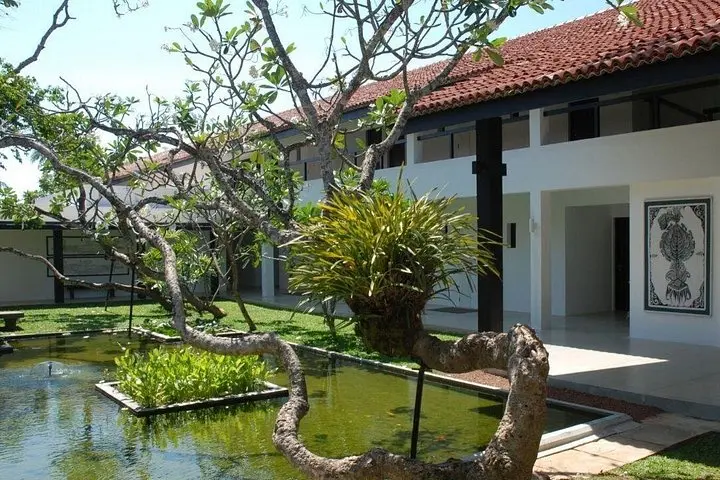
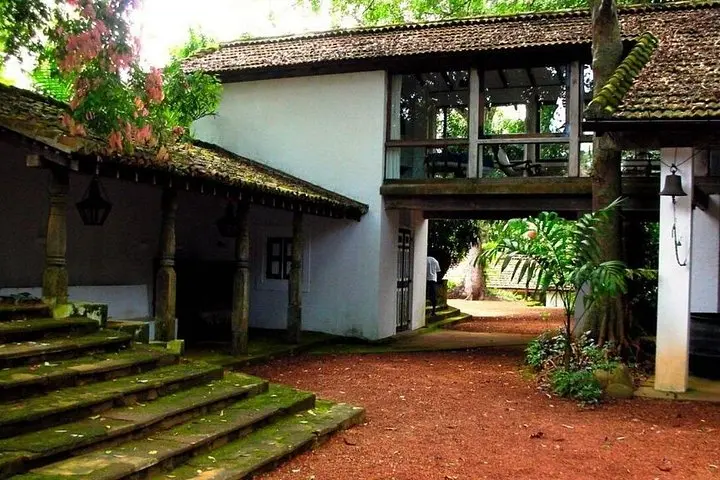
You step out of the airport into warm, humid air and the low skyline of palms and tiled roofs—Sri Lanka arrives before you do. The first morning’s drive unspools past flooded paddy fields and the occasional white stupa, and then, as if cued, Geoffrey Bawa’s low-slung forms begin to appear: open verandas, water courts, roofs that breathe with the island’s climate. This seven-day loop—Colombo, Sigiriya, Kandy, Nuwara Eliya, Bentota—reads like an atlas of Bawa’s influence and a primer on how landscape and architecture negotiate each other in Sri Lanka.
Verified experiences and guided adventures in the surrounding area.
Operated by Safari to Lanka Holidays · Colombo, Western Province
You step out of the airport into warm, humid air and the low skyline of palms and tiled roofs—Sri Lanka arrives before you do. The first morning’s drive unspools past flooded paddy fields and the occasional white stupa, and then, as if cued, Geoffrey Bawa’s low-slung forms begin to appear: open verandas, water courts, roofs that breathe with the island’s climate. This seven-day loop—Colombo, Sigiriya, Kandy, Nuwara Eliya, Bentota—reads like an atlas of Bawa’s influence and a primer on how landscape and architecture negotiate each other in Sri Lanka.
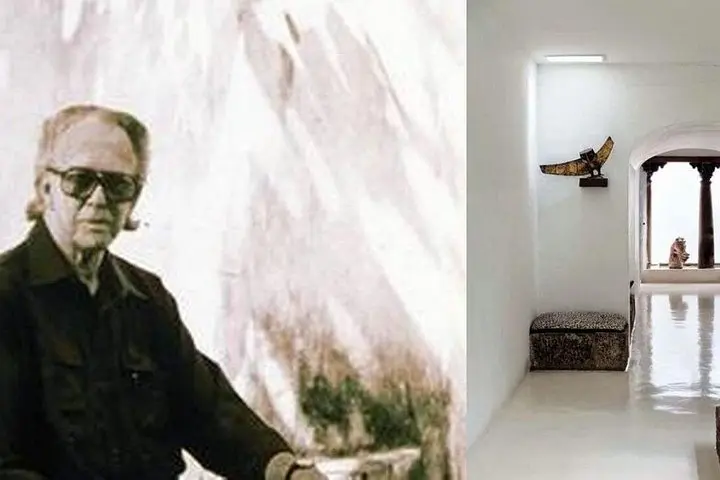
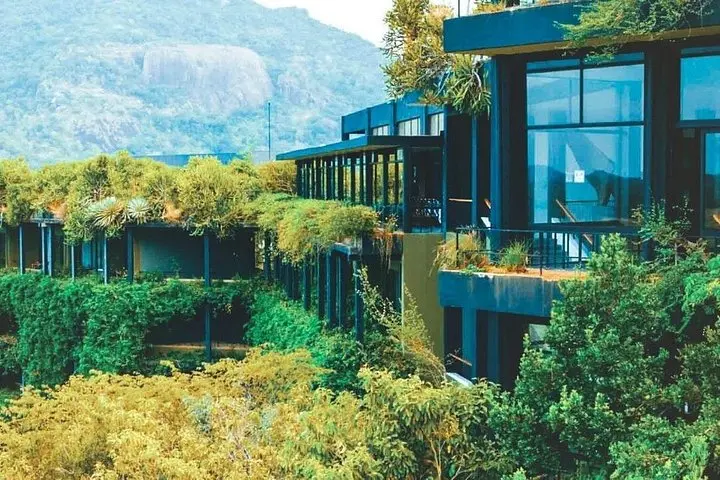
Bawa, a mid-20th-century architect, rewrote modernism for the tropics by blending colonial-era proportions, local materials and garden-focused planning. His projects—Lunuganga estate near Bentota, public interventions in Colombo and subtle integrations in hotel design—make the island itself feel like his client. The tour places these buildings in context: the ancient rock palace at Sigiriya rises from a 5th-century volcanic plug, tea-clad highlands fold into cooler air at Nuwara Eliya, and mangrove channels at the Madu River frame Bentota’s coastal architecture.
Culturally the trip threads through Sri Lanka’s layers: Kandyan ritual at the Temple of the Tooth, spice gardens in Matale, and village life around Sigiriya where buffalo still plod beside the rice. Natural history appears in the margins—elephants graze in Minneriya National Park’s grassy reservoirs and hatchlings scramble from the turtle nursery at Bentota—giving a conservation edge to the itinerary.
Practically, expect full days with regular vehicle transfers (two- to four-hour stretches are common). Most stays are in three-star hotels with breakfast included; the operator provides airport pickup and an air-conditioned vehicle. Sigiriya’s ascent is a steep stair climb of several hundred steps—take it in the cooler morning hours and bring a light daypack. Wear sturdy walking shoes for uneven paths, and plan for humidity: quick-dry layers, a rain jacket during monsoon months, and a hat. Cash (Sri Lankan rupees) is useful for small purchases and tips; credit cards work in larger hotels.
For planning: book around dry-season windows (December–March for the southwest and May–September for the northeast) depending on which coast you prioritize. The tour is private and suitable for travelers with moderate mobility—most sites are accessible but expect stairs and some unpaved surfaces.
This is an architecture tour that insists you look outward: at how buildings sit in their ecology, at how history and modern life overlap, and how a single architect’s choices can shape how a country presents itself. When you come home, you’ll have routed through temples and tea, but the images that linger will be of light pooled on polished floors and gardens that move like a second skin across the land.
Yes—this is a private tour and can be booked solo; accommodations are typically twin/double rooms but single options can be arranged.
Some admissions may not be included; check the itinerary and operator notes—Sigiriya and certain museums often require separate tickets.
Expect regular transfers of two to four hours between major nodes; the schedule balances drives with on-site time and short walks.
Yes—operators typically adjust meals for vegetarians and common dietary needs if notified in advance during booking questions.
December–March favors the southwest and coastal zones; May–September can be better for east-coast travel. Monsoon seasons influence beach days but architecture visits remain possible year-round.
Most travelers require an ETA/visa for Sri Lanka and routine vaccinations; check current health and entry requirements well before departure.
Safari to Lanka Holidays operates guided outdoor trips and adventures with an emphasis on safety, stewardship, and memorable experiences.
You step out of the airport into warm, humid air and the low skyline of palms and tiled roofs—Sri Lanka arrives before you do. The first morning’s drive unspools past flooded paddy fields and the occasional white stupa, and then, as if cued, Geoffrey Bawa’s low-slung forms begin to appear: open verandas, water courts, roofs that breathe with the island’s climate. This seven-day loop—Colombo, Sigiriya, Kandy, Nuwara Eliya, Bentota—reads like an atlas of Bawa’s influence and a primer on how landscape and architecture negotiate each other in Sri Lanka.
You step out of the airport into warm, humid air and the low skyline of palms and tiled roofs—Sri Lanka arrives before you do. The first morning’s drive unspools past flooded paddy fields and the occasional white stupa, and then, as if cued, Geoffrey Bawa’s low-slung forms begin to appear: open verandas, water courts, roofs that breathe with the island’s climate. This seven-day loop—Colombo, Sigiriya, Kandy, Nuwara Eliya, Bentota—reads like an atlas of Bawa’s influence and a primer on how landscape and architecture negotiate each other in Sri Lanka.
Bawa, a mid-20th-century architect, rewrote modernism for the tropics by blending colonial-era proportions, local materials and garden-focused planning. His projects—Lunuganga estate near Bentota, public interventions in Colombo and subtle integrations in hotel design—make the island itself feel like his client. The tour places these buildings in context: the ancient rock palace at Sigiriya rises from a 5th-century volcanic plug, tea-clad highlands fold into cooler air at Nuwara Eliya, and mangrove channels at the Madu River frame Bentota’s coastal architecture.
Culturally the trip threads through Sri Lanka’s layers: Kandyan ritual at the Temple of the Tooth, spice gardens in Matale, and village life around Sigiriya where buffalo still plod beside the rice. Natural history appears in the margins—elephants graze in Minneriya National Park’s grassy reservoirs and hatchlings scramble from the turtle nursery at Bentota—giving a conservation edge to the itinerary.
Practically, expect full days with regular vehicle transfers (two- to four-hour stretches are common). Most stays are in three-star hotels with breakfast included; the operator provides airport pickup and an air-conditioned vehicle. Sigiriya’s ascent is a steep stair climb of several hundred steps—take it in the cooler morning hours and bring a light daypack. Wear sturdy walking shoes for uneven paths, and plan for humidity: quick-dry layers, a rain jacket during monsoon months, and a hat. Cash (Sri Lankan rupees) is useful for small purchases and tips; credit cards work in larger hotels.
For planning: book around dry-season windows (December–March for the southwest and May–September for the northeast) depending on which coast you prioritize. The tour is private and suitable for travelers with moderate mobility—most sites are accessible but expect stairs and some unpaved surfaces.
This is an architecture tour that insists you look outward: at how buildings sit in their ecology, at how history and modern life overlap, and how a single architect’s choices can shape how a country presents itself. When you come home, you’ll have routed through temples and tea, but the images that linger will be of light pooled on polished floors and gardens that move like a second skin across the land.