THE ADVENTURE COLLECTIVE® · Independent discovery and booking for outdoor travel

Walk George Town’s lanes with a local guide to uncover 200 years of Chinese clan history, secret societies, and the sites of the 1867 Penang Riots. This three‑hour tour combines architecture, storytelling, and practical local insights for curious travelers.
Walk George Town’s lanes with a local guide to uncover 200 years of Chinese clan history, secret societies, and the sites of the 1867 Penang Riots. This three‑hour tour combines architecture, storytelling, and practical local insights for curious travelers.
You step off the main road and into a narrow lane where timber shophouses lean toward one another like old friends sharing secrets. The guide points to carved beams, faded clan insignias, and a courtyard where incense smoke still curls—each detail a chapter in more than 200 years of Chinese settler life in George Town.
Verified experiences and guided adventures in the surrounding area.
Operated by Pan Island Holidays · George Town, Penang
You step off the main road and into a narrow lane where timber shophouses lean toward one another like old friends sharing secrets. The guide points to carved beams, faded clan insignias, and a courtyard where incense smoke still curls—each detail a chapter in more than 200 years of Chinese settler life in George Town.
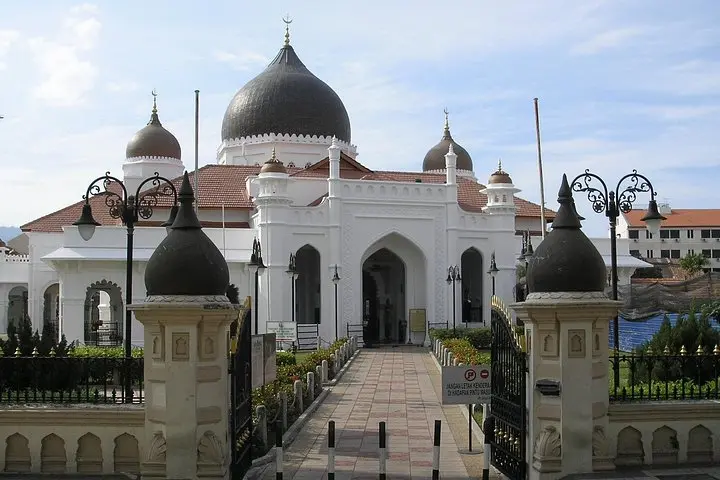
This three‑hour walking tour traces the architecture and power networks of Penang’s Chinese community: clan temples, merchant halls, and sites tied to the 1867 Penang Riots. Geology here is subtle—the island’s granite backbone shaped shallow soil and compact streets that funneled trade and people into tight urban neighborhoods. Colonial brick and Straits Eclectic facades reflect a blend of Malay, Chinese, Indian and European influences; clan houses preserved social bonds and economic networks.
Local culture emerges in small rituals: offerings at a Teochew temple, the painted symbols of secret societies, the pragmatic layout of shop‑houses built for commerce above and family life behind. Expect pointed storytelling—tales of factional rivalries, merchant networks, and how those conflicts remade civic life.
Practical guidance: wear grippy shoes for slick tile and uneven sidewalks, bring a refillable water bottle, and plan morning or late‑afternoon departures to avoid midday heat and sudden tropical showers. Public transit and ride apps work well to reach the meeting point; the route is mostly flat but involves frequent stopping and standing during explanations. Bring curiosity and a camera—much of the history is written into the city’s walls.
The tour lasts about three hours at an easy to moderate pace with frequent stops for explanations at temples, mansions, and historic streets.
Yes, if participants can walk for several blocks and stand for short periods; it’s not recommended for those with serious spinal problems.
This specific tour is led in English by a professional guide; check with the operator for other language options when booking.
Most stops are external or donation‑based; if an attraction requires admission the guide will note it in advance.
Pan Island Holidays operates guided outdoor trips and adventures with an emphasis on safety, stewardship, and memorable experiences.
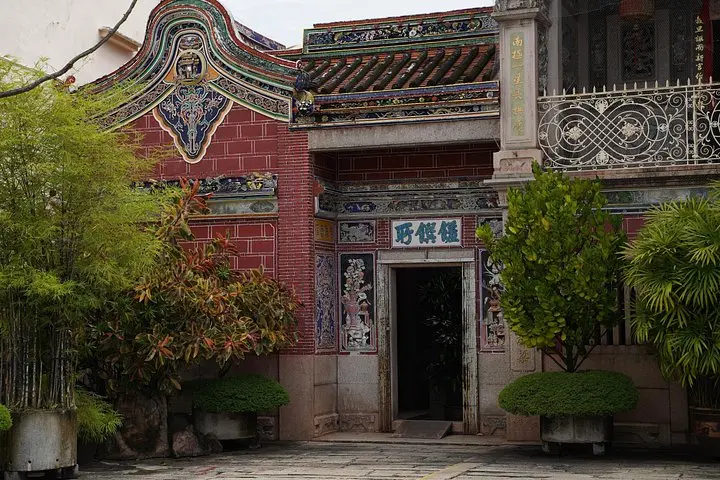
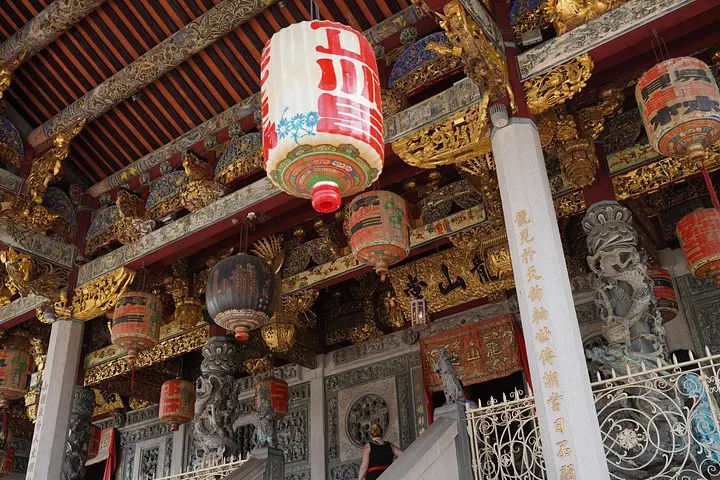
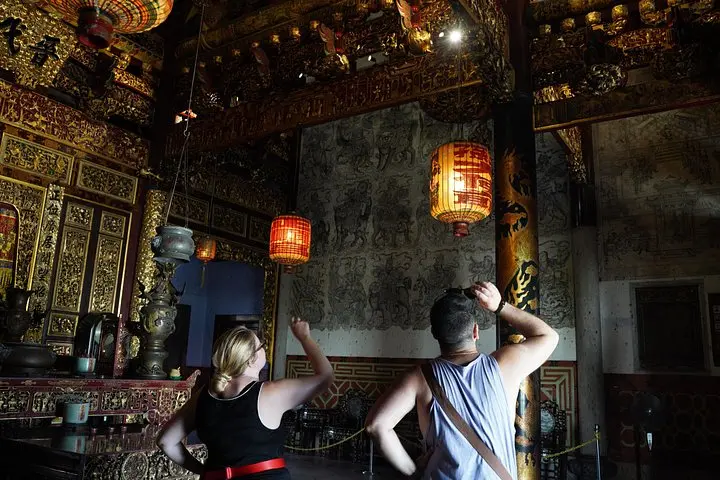
You step off the main road and into a narrow lane where timber shophouses lean toward one another like old friends sharing secrets. The guide points to carved beams, faded clan insignias, and a courtyard where incense smoke still curls—each detail a chapter in more than 200 years of Chinese settler life in George Town.
You step off the main road and into a narrow lane where timber shophouses lean toward one another like old friends sharing secrets. The guide points to carved beams, faded clan insignias, and a courtyard where incense smoke still curls—each detail a chapter in more than 200 years of Chinese settler life in George Town.
This three‑hour walking tour traces the architecture and power networks of Penang’s Chinese community: clan temples, merchant halls, and sites tied to the 1867 Penang Riots. Geology here is subtle—the island’s granite backbone shaped shallow soil and compact streets that funneled trade and people into tight urban neighborhoods. Colonial brick and Straits Eclectic facades reflect a blend of Malay, Chinese, Indian and European influences; clan houses preserved social bonds and economic networks.
Local culture emerges in small rituals: offerings at a Teochew temple, the painted symbols of secret societies, the pragmatic layout of shop‑houses built for commerce above and family life behind. Expect pointed storytelling—tales of factional rivalries, merchant networks, and how those conflicts remade civic life.
Practical guidance: wear grippy shoes for slick tile and uneven sidewalks, bring a refillable water bottle, and plan morning or late‑afternoon departures to avoid midday heat and sudden tropical showers. Public transit and ride apps work well to reach the meeting point; the route is mostly flat but involves frequent stopping and standing during explanations. Bring curiosity and a camera—much of the history is written into the city’s walls.