THE ADVENTURE COLLECTIVE® · Independent discovery and booking for outdoor travel

Move through George Town’s alleys sampling 10–13 hawker classics on a private, guided food tour that pairs bites with local history. Expect kopitiams, markets, a Hainanese temple visit and practical insight into Penang’s multicultural cuisine.
Move through George Town’s alleys sampling 10–13 hawker classics on a private, guided food tour that pairs bites with local history. Expect kopitiams, markets, a Hainanese temple visit and practical insight into Penang’s multicultural cuisine.
The first bite arrives before you reach the stall — a warm steam ribbon drifting through a lane of faded shophouses, the smell of char and coconut daring you closer. On a private food tour of George Town you move at a human pace: a short air‑conditioned transfer, then on foot among murals, clan houses and hawker carts where cooks flip noodles and ladle broths in full view.
Verified experiences and guided adventures in the surrounding area.
Operated by taxiGo Limo Airport Service · George Town, Penang
The first bite arrives before you reach the stall — a warm steam ribbon drifting through a lane of faded shophouses, the smell of char and coconut daring you closer. On a private food tour of George Town you move at a human pace: a short air‑conditioned transfer, then on foot among murals, clan houses and hawker carts where cooks flip noodles and ladle broths in full view.
Penang’s story is visible in its food. Founded by the British in 1786 as a strategic entrepôt, George Town became a meeting point for Malay, Chinese, Indian and Eurasian traders; the flavors you taste—Hainanese coffee, Nyonya laksa, char kway teow—carry that layered history. The island’s narrow coastal plain and low granite outcrops stage a city of alleys, temples and Chinese clan houses; the Hainan Temple (built 1866) is an honest reminder of faith and migration.
This private, guided experience covers 10–13 classic street foods in roughly three to four hours, with visits to markets, kopitiams and a temple where local ritual and feng shui still shape daily life. You’ll see street art, sample fresh snacks and hear the practical backstories: where ingredients come from, why a dish tastes different here, how fortune telling persists in a modern port.
Practical notes: come hungry, wear breathable shoes, and carry a reusable bottle — humidity and standing queues are part of the program. Bring small bills, ask about dietary needs ahead of time, and respect temple etiquette when visiting sacred sites. The tour balances immersive tasting with local context, so you leave fuller in both stomach and story.
Expect to sample roughly 10–13 small portions and drinks; the guide paces stops so you finish pleasantly full.
Yes—advise the operator before booking so the guide can tailor stops or suggest vegetarian/halal-friendly options when possible.
Yes—modern air‑conditioned private transfer is provided for pickup, drop‑off and short transfers between neighborhoods.
Generally yes; the tour is rated easy with minimal walking and can accommodate infants and less mobile guests with prior notice.
taxiGo Limo Airport Service operates guided outdoor trips and adventures with an emphasis on safety, stewardship, and memorable experiences.
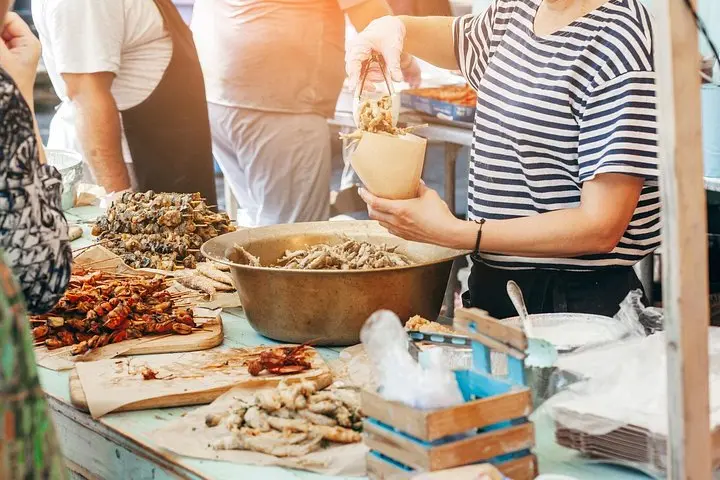
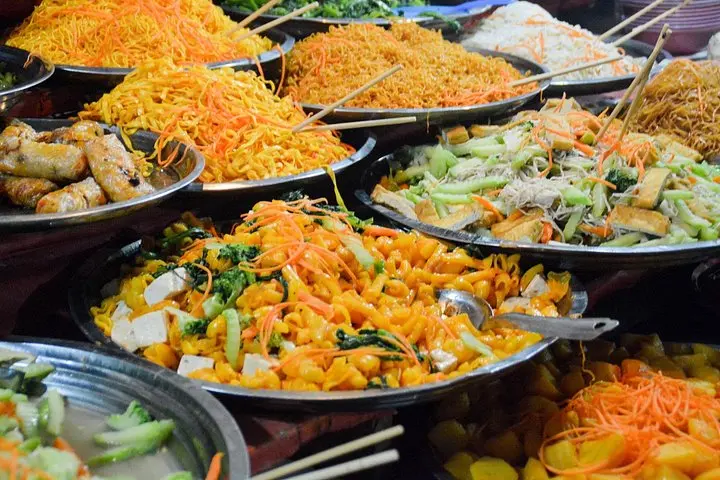
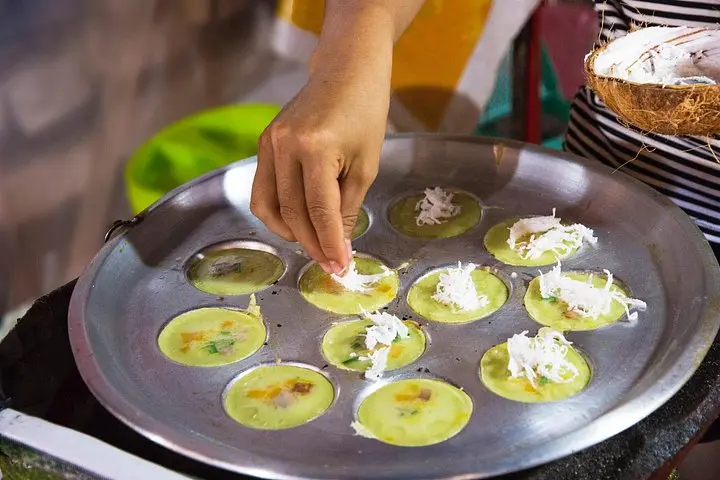

The first bite arrives before you reach the stall — a warm steam ribbon drifting through a lane of faded shophouses, the smell of char and coconut daring you closer. On a private food tour of George Town you move at a human pace: a short air‑conditioned transfer, then on foot among murals, clan houses and hawker carts where cooks flip noodles and ladle broths in full view.
The first bite arrives before you reach the stall — a warm steam ribbon drifting through a lane of faded shophouses, the smell of char and coconut daring you closer. On a private food tour of George Town you move at a human pace: a short air‑conditioned transfer, then on foot among murals, clan houses and hawker carts where cooks flip noodles and ladle broths in full view.
Penang’s story is visible in its food. Founded by the British in 1786 as a strategic entrepôt, George Town became a meeting point for Malay, Chinese, Indian and Eurasian traders; the flavors you taste—Hainanese coffee, Nyonya laksa, char kway teow—carry that layered history. The island’s narrow coastal plain and low granite outcrops stage a city of alleys, temples and Chinese clan houses; the Hainan Temple (built 1866) is an honest reminder of faith and migration.
This private, guided experience covers 10–13 classic street foods in roughly three to four hours, with visits to markets, kopitiams and a temple where local ritual and feng shui still shape daily life. You’ll see street art, sample fresh snacks and hear the practical backstories: where ingredients come from, why a dish tastes different here, how fortune telling persists in a modern port.
Practical notes: come hungry, wear breathable shoes, and carry a reusable bottle — humidity and standing queues are part of the program. Bring small bills, ask about dietary needs ahead of time, and respect temple etiquette when visiting sacred sites. The tour balances immersive tasting with local context, so you leave fuller in both stomach and story.