THE ADVENTURE COLLECTIVE® · Independent discovery and booking for outdoor travel

A private five-hour circuit through George Town’s clan houses and the Pinang Peranakan Mansion, this tour pairs ornate Chinese temples with Peranakan domestic interiors. Ideal for travelers who want compact cultural immersion with comfortable transport between sites.
A private five-hour circuit through George Town’s clan houses and the Pinang Peranakan Mansion, this tour pairs ornate Chinese temples with Peranakan domestic interiors. Ideal for travelers who want compact cultural immersion with comfortable transport between sites.
A narrow lane opens slowly into a courtyard of carved timber and lacquered tiles — the guide steps aside and the group leans in to read placards while the city hums beyond. This private, five-hour circuit through George Town pins together the Chinese clan houses and Peranakan rooms that define the island’s urban character.
Verified experiences and guided adventures in the surrounding area.
Operated by REMAZ TOURS GmbH · George Town, Penang
A narrow lane opens slowly into a courtyard of carved timber and lacquered tiles — the guide steps aside and the group leans in to read placards while the city hums beyond. This private, five-hour circuit through George Town pins together the Chinese clan houses and Peranakan rooms that define the island’s urban character.
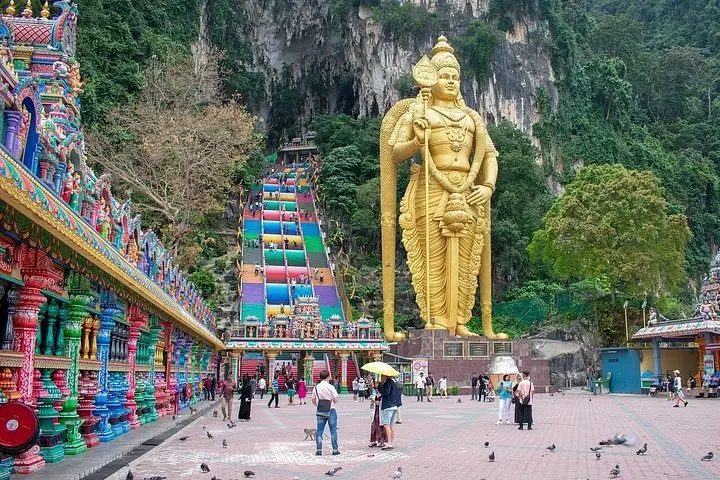
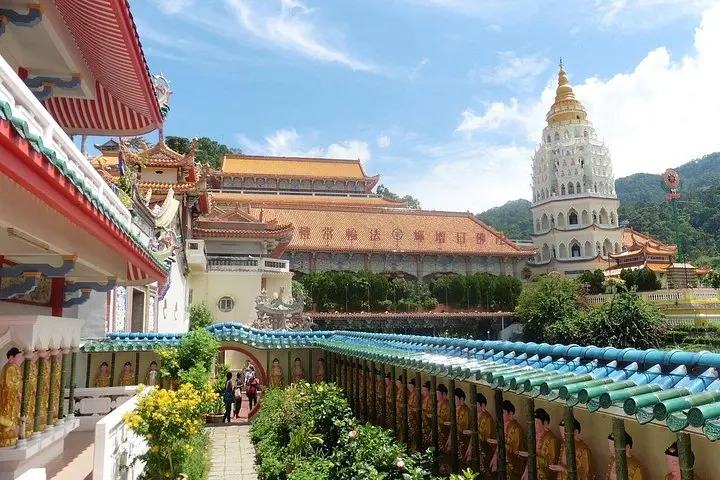
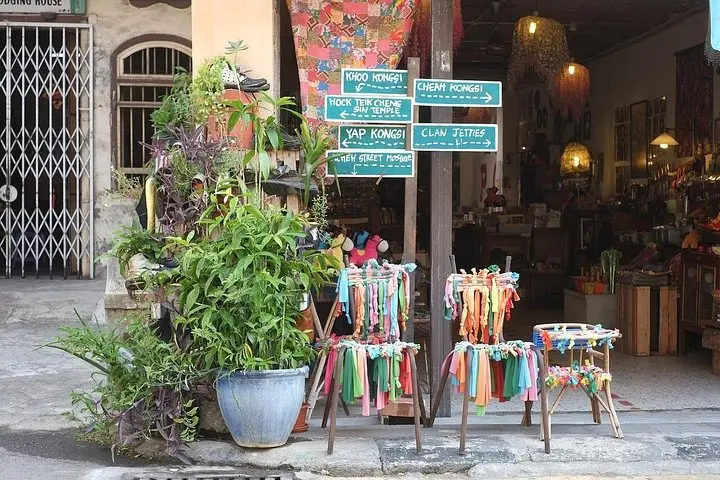
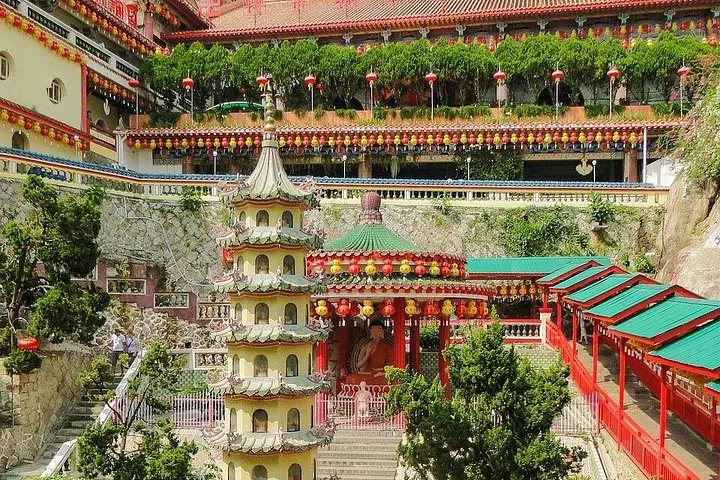
The route visits Khoo Kongsi (built 1835), Yap Kongsi and the Ciji Temple (1924), Hock Teik Cheng Sin (Tua Pek Kong) and the Cheah Kongsi compound (founded 1820, built 1858), finishing at the Pinang Peranakan Mansion with its dense collection of Baba-Nyonya furnishings. The walk moves between ornate pillared halls, tiled shopfronts and alleys where street art and colonial facades meet. Geologically, Penang sits on ancient granite bedrock with reclamation filling much of the waterfront—city form here is a product of trade, migration and port-side growth.
Expect compact, informative stops rather than long hikes: steps, uneven pavements and narrow stairs inside clan houses are common. The guide’s stories layer clan lineage, trade ties with southern China and Peranakan fusion—food, dress and material culture—onto the architecture.
Practical notes: start in the morning to avoid peak humidity, wear closed-toe shoes for temple stairs, bring a light cover for modesty in religious sites, and carry water—air-conditioned transfers are included between points. Cash is useful for small temple donations and street snacks. The tour is suitable for most walkers and offers a concentrated, accessible window into Penang’s layered cultural geography.
The private itinerary runs about five hours; typical schedules meet mid-morning (for example, 10:00) and finish in the early afternoon.
Yes—air-conditioned private vehicle transfers are provided between the heritage stops listed in the itinerary.
Confirm with the operator; many bookings include admission but policies vary—check your booking details or ask the guide on arrival.
Yes; the pace is moderate with short walks and vehicle transfers, though participants should be able to manage stairs and some standing.
REMAZ TOURS GmbH operates guided outdoor trips and adventures with an emphasis on safety, stewardship, and memorable experiences.
A narrow lane opens slowly into a courtyard of carved timber and lacquered tiles — the guide steps aside and the group leans in to read placards while the city hums beyond. This private, five-hour circuit through George Town pins together the Chinese clan houses and Peranakan rooms that define the island’s urban character.
A narrow lane opens slowly into a courtyard of carved timber and lacquered tiles — the guide steps aside and the group leans in to read placards while the city hums beyond. This private, five-hour circuit through George Town pins together the Chinese clan houses and Peranakan rooms that define the island’s urban character.
The route visits Khoo Kongsi (built 1835), Yap Kongsi and the Ciji Temple (1924), Hock Teik Cheng Sin (Tua Pek Kong) and the Cheah Kongsi compound (founded 1820, built 1858), finishing at the Pinang Peranakan Mansion with its dense collection of Baba-Nyonya furnishings. The walk moves between ornate pillared halls, tiled shopfronts and alleys where street art and colonial facades meet. Geologically, Penang sits on ancient granite bedrock with reclamation filling much of the waterfront—city form here is a product of trade, migration and port-side growth.
Expect compact, informative stops rather than long hikes: steps, uneven pavements and narrow stairs inside clan houses are common. The guide’s stories layer clan lineage, trade ties with southern China and Peranakan fusion—food, dress and material culture—onto the architecture.
Practical notes: start in the morning to avoid peak humidity, wear closed-toe shoes for temple stairs, bring a light cover for modesty in religious sites, and carry water—air-conditioned transfers are included between points. Cash is useful for small temple donations and street snacks. The tour is suitable for most walkers and offers a concentrated, accessible window into Penang’s layered cultural geography.