THE ADVENTURE COLLECTIVE® · Independent discovery and booking for outdoor travel

Stroll Georgetown’s brick streets with a guide, sampling six-plus local bites while learning about canal-era trade, university life, and family-run kitchens. This three-hour walking tour blends food, history, and readable urban geology.
Stroll Georgetown’s brick streets with a guide, sampling six-plus local bites while learning about canal-era trade, university life, and family-run kitchens. This three-hour walking tour blends food, history, and readable urban geology.
On a cool Georgetown morning the tour unfolds where red brick meets the Potomac and the C&O Canal hums beneath brick archways. You step off a shaded sidewalk and the guide threads culinary notes into street stories—the half‑smoke vendor two doors down, a family bakery whose ovens have been burning for decades, a townhouse that once served as a sailors’ boarding house.
Verified experiences and guided adventures in the surrounding area.
Operated by Secret Food Tours · Washington, DC
On a cool Georgetown morning the tour unfolds where red brick meets the Potomac and the C&O Canal hums beneath brick archways. You step off a shaded sidewalk and the guide threads culinary notes into street stories—the half‑smoke vendor two doors down, a family bakery whose ovens have been burning for decades, a townhouse that once served as a sailors’ boarding house.
Georgetown’s past is plain in its built fabric: 18th‑ and 19th‑century warehouses converted into cafés, the Chesapeake & Ohio Canal that once moved freight to Baltimore, and Georgetown University’s stone facades keeping watch. The geology is low river terraces and reclaimed waterfront—nothing steep, just the slow shove of the Potomac shaping the shoreline. Culture here is layered: immigrant kitchens sit beside century‑old counters and contemporary chefs rework tradition.
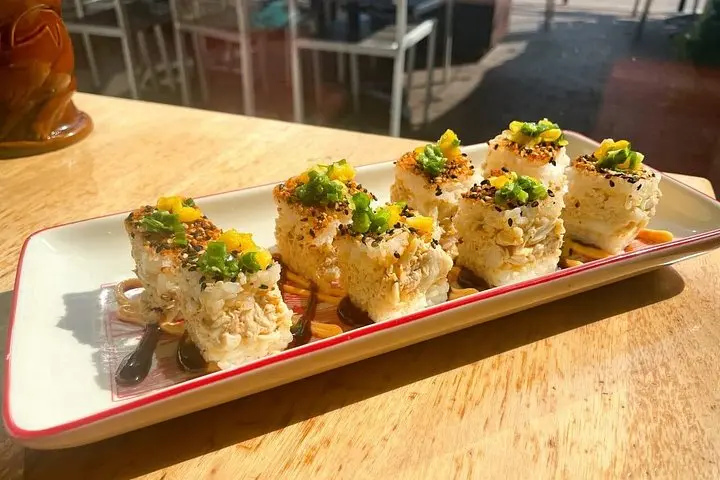
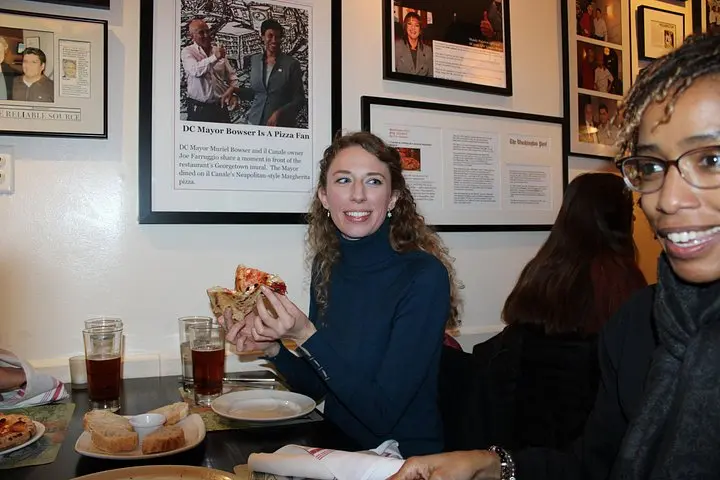
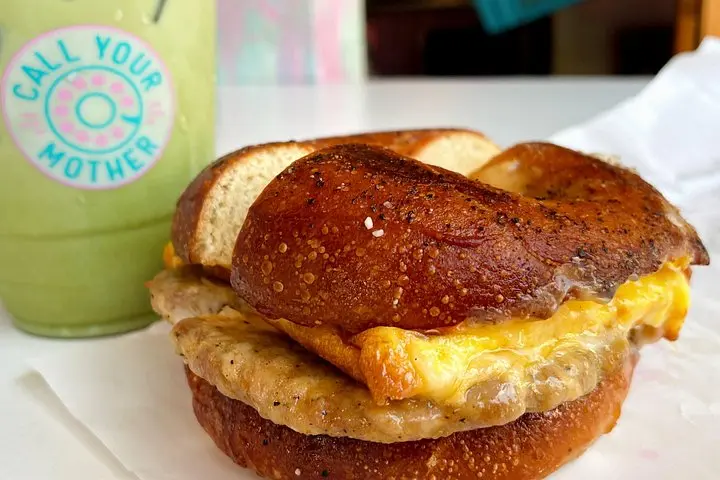
Expect roughly three hours and about 1.5–2 miles of mostly flat walking across sidewalks, waterfront promenades, and narrow retail lanes. Tastings commonly include a hometown half‑smoke, warm pita with hummus, a signature savory dish, and a seasonal cupcake; menus vary by season and vendor availability. The pace is leisurely but involves standing in small venues and walking between stops—comfortable shoes and a light jacket are practical. Public transit reaches the start; rideshare and limited parking are available nearby.
Bring an appetite and a sense of curiosity. Ask guides about supply sourcing and the neighborhood’s preservation efforts. Photograph façades and docks, but be mindful in small dining rooms and support local businesses by arriving ready to sample deliberately.
Yes — the tour advertises six-plus tastings at partner venues; menus may change based on availability.
The route is largely flat and stroller-accessible, but check with the operator regarding wheelchair access at specific small venues.
Yes — notify the operator in advance so they can arrange substitutions with partner restaurants when possible.
Tours may cancel or reschedule in severe weather; full refunds are typically available if cancelled 24 hours prior, but confirm with the operator.
Secret Food Tours operates guided outdoor trips and adventures with an emphasis on safety, stewardship, and memorable experiences.
On a cool Georgetown morning the tour unfolds where red brick meets the Potomac and the C&O Canal hums beneath brick archways. You step off a shaded sidewalk and the guide threads culinary notes into street stories—the half‑smoke vendor two doors down, a family bakery whose ovens have been burning for decades, a townhouse that once served as a sailors’ boarding house.
On a cool Georgetown morning the tour unfolds where red brick meets the Potomac and the C&O Canal hums beneath brick archways. You step off a shaded sidewalk and the guide threads culinary notes into street stories—the half‑smoke vendor two doors down, a family bakery whose ovens have been burning for decades, a townhouse that once served as a sailors’ boarding house.
Georgetown’s past is plain in its built fabric: 18th‑ and 19th‑century warehouses converted into cafés, the Chesapeake & Ohio Canal that once moved freight to Baltimore, and Georgetown University’s stone facades keeping watch. The geology is low river terraces and reclaimed waterfront—nothing steep, just the slow shove of the Potomac shaping the shoreline. Culture here is layered: immigrant kitchens sit beside century‑old counters and contemporary chefs rework tradition.
Expect roughly three hours and about 1.5–2 miles of mostly flat walking across sidewalks, waterfront promenades, and narrow retail lanes. Tastings commonly include a hometown half‑smoke, warm pita with hummus, a signature savory dish, and a seasonal cupcake; menus vary by season and vendor availability. The pace is leisurely but involves standing in small venues and walking between stops—comfortable shoes and a light jacket are practical. Public transit reaches the start; rideshare and limited parking are available nearby.
Bring an appetite and a sense of curiosity. Ask guides about supply sourcing and the neighborhood’s preservation efforts. Photograph façades and docks, but be mindful in small dining rooms and support local businesses by arriving ready to sample deliberately.