THE ADVENTURE COLLECTIVE® · Independent discovery and booking for outdoor travel

An eight-day loop through Georgia’s cultural capitals and coastal gardens, this tour pairs city walking with short rural drives and historic sites. Expect UNESCO monasteries, Georgian wine tastings, and a mix of low-altitude city streets and highland viewpoints.
An eight-day loop through Georgia’s cultural capitals and coastal gardens, this tour pairs city walking with short rural drives and historic sites. Expect UNESCO monasteries, Georgian wine tastings, and a mix of low-altitude city streets and highland viewpoints.
You step off the minibus into Tbilisi’s cool evening and the city seems to rearrange itself around light: the Funicular’s terrace frames the valley while sulfur steam rises in pockets from the old baths below. Over the next eight days the road takes you from hilltop fortresses to damp Black Sea gardens, through vineyards and medieval monasteries — each place pushing the itinerary forward like a living map.
Verified experiences and guided adventures in the surrounding area.
Operated by Sakura Travel Agency · Tbilisi, Tbilisi
You step off the minibus into Tbilisi’s cool evening and the city seems to rearrange itself around light: the Funicular’s terrace frames the valley while sulfur steam rises in pockets from the old baths below. Over the next eight days the road takes you from hilltop fortresses to damp Black Sea gardens, through vineyards and medieval monasteries — each place pushing the itinerary forward like a living map.
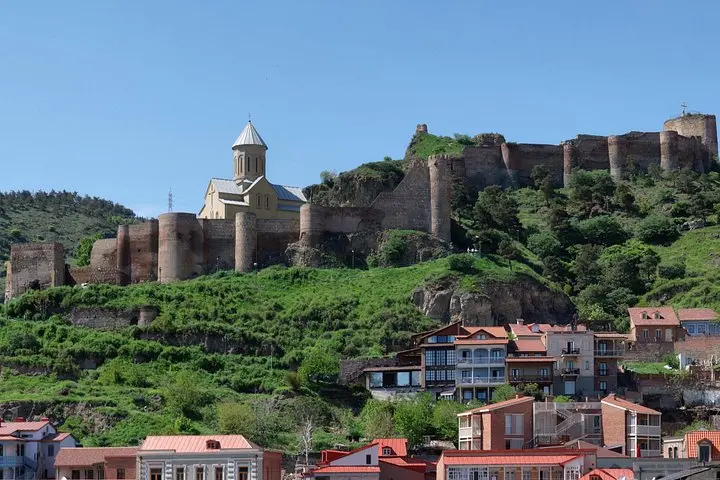
Georgia sits where Eurasian tectonics heave the Greater Caucasus and where ancient trade routes met the Black Sea. You’ll stand under Narikala’s weathered stones, walk the colonnades of Gelati and Bagrati, and trace wine history at Tsinandali — the country that claims the world’s oldest winemaking traditions. In Batumi, the botanical garden spills subtropical flora down toward the sea; in Kazbegi the air thins near Gergeti Trinity Church at roughly 2,170 m, a stark contrast to Tbilisi’s river valley.
Practical guidance: expect about 8 days of light walking and roughly 700–900 km of driving in a comfortable minivan. Accommodations are twin rooms in city hotels; daily breakfasts and most entrance fees are included. Carry local currency (GEL) for markets and small restaurants, and bring layered clothing for mountain evenings. Allow time for passport and visa checks — passports should be valid for at least six months. Pace your sightseeing: many sites involve short uphill approaches and uneven stone streets, so good walking shoes and a filled water bottle will keep you moving. Travel midweek in shoulder seasons to avoid crowds at UNESCO sites and to make the most of wine tastings and coastal gardens.
Visa requirements vary by nationality; many countries enjoy visa-free entry for short stays, but confirm with your embassy and ensure your passport has at least six months validity.
Days include light to moderate walking — 1–3 hours of on-foot exploration with intermittent uphill approaches and cobblestones; the tour is suitable for most fitness levels.
Breakfast and seven dinners are included as noted; entrance fees and local guides are included for listed attractions, but incidentals and some optional tastings may cost extra.
The operator provides English-speaking guides and can often accommodate dietary needs if notified in advance; contact them before travel to discuss mobility accommodations.
Sakura Travel Agency operates guided outdoor trips and adventures with an emphasis on safety, stewardship, and memorable experiences.
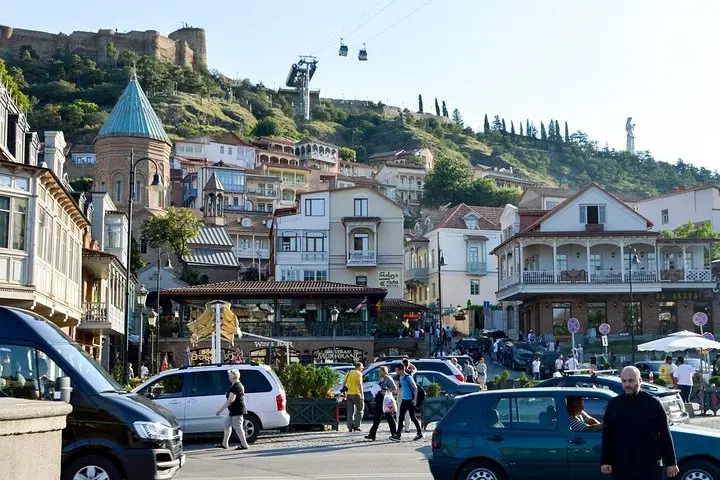
You step off the minibus into Tbilisi’s cool evening and the city seems to rearrange itself around light: the Funicular’s terrace frames the valley while sulfur steam rises in pockets from the old baths below. Over the next eight days the road takes you from hilltop fortresses to damp Black Sea gardens, through vineyards and medieval monasteries — each place pushing the itinerary forward like a living map.
You step off the minibus into Tbilisi’s cool evening and the city seems to rearrange itself around light: the Funicular’s terrace frames the valley while sulfur steam rises in pockets from the old baths below. Over the next eight days the road takes you from hilltop fortresses to damp Black Sea gardens, through vineyards and medieval monasteries — each place pushing the itinerary forward like a living map.
Georgia sits where Eurasian tectonics heave the Greater Caucasus and where ancient trade routes met the Black Sea. You’ll stand under Narikala’s weathered stones, walk the colonnades of Gelati and Bagrati, and trace wine history at Tsinandali — the country that claims the world’s oldest winemaking traditions. In Batumi, the botanical garden spills subtropical flora down toward the sea; in Kazbegi the air thins near Gergeti Trinity Church at roughly 2,170 m, a stark contrast to Tbilisi’s river valley.
Practical guidance: expect about 8 days of light walking and roughly 700–900 km of driving in a comfortable minivan. Accommodations are twin rooms in city hotels; daily breakfasts and most entrance fees are included. Carry local currency (GEL) for markets and small restaurants, and bring layered clothing for mountain evenings. Allow time for passport and visa checks — passports should be valid for at least six months. Pace your sightseeing: many sites involve short uphill approaches and uneven stone streets, so good walking shoes and a filled water bottle will keep you moving. Travel midweek in shoulder seasons to avoid crowds at UNESCO sites and to make the most of wine tastings and coastal gardens.