THE ADVENTURE COLLECTIVE® · Independent discovery and booking for outdoor travel

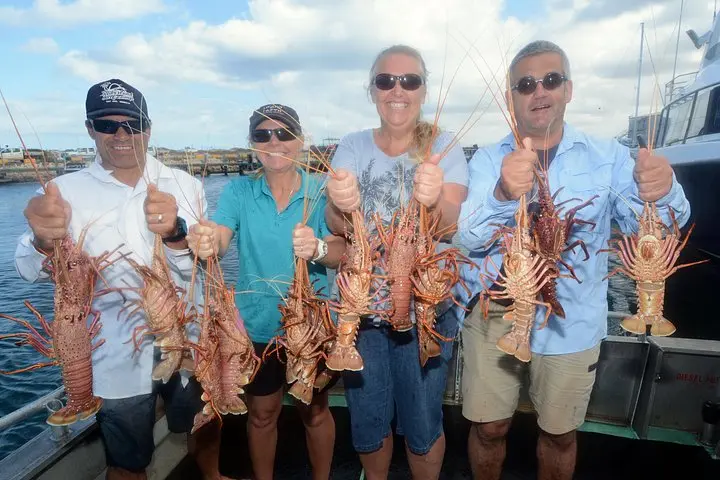
Board the Dhu Force at Geraldton’s Eco Wharf for a 90-minute, hands-on lobster pot pull where you’ll watch crew haul and reset pots, learn size rules, and take home part of the catch. Perfect for curious visitors who want a compact, educational taste of Western Australia’s lobster fishery.
Board the Dhu Force at Geraldton’s Eco Wharf for a 90-minute, hands-on lobster pot pull where you’ll watch crew haul and reset pots, learn size rules, and take home part of the catch. Perfect for curious visitors who want a compact, educational taste of Western Australia’s lobster fishery.
Morning light breaks over Geraldton’s Eco Wharf and the Dhu Force slips past the buoys, the ocean pushing at the hull like an insistent guide. Within minutes you’re beyond the headland where the Indian Ocean runs colder and the reef drops off; the crew reels in the first of twelve pots and the clack of creels on chain punctuates the sea air. It’s an immediate, tactile lesson in working water: hauling, measuring and deciding which lobsters go back to the reef.
Verified experiences and guided adventures in the surrounding area.
Operated by Eco Abrolhos Cruises · Geraldton, Western Australia
Morning light breaks over Geraldton’s Eco Wharf and the Dhu Force slips past the buoys, the ocean pushing at the hull like an insistent guide. Within minutes you’re beyond the headland where the Indian Ocean runs colder and the reef drops off; the crew reels in the first of twelve pots and the clack of creels on chain punctuates the sea air. It’s an immediate, tactile lesson in working water: hauling, measuring and deciding which lobsters go back to the reef.
This stretch of coast is central to the Western Rock Lobster fishery — an industry that shaped Geraldton’s economy and rhythms for generations. The shoreline here rests on limestone and sand, with shallow reefs that concentrate lobster habitat where the continental shelf begins its gradual fall.
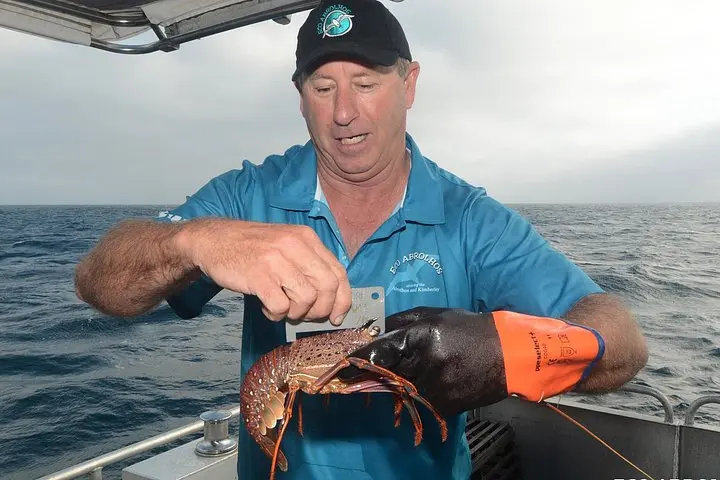
Culturally the tour is as much about craft as catch: local crew explain size rules, sustainable take, and how to read the sea for good pots. Expect hands-on opportunities — counting, sizing and helping reset gear — alongside safety briefings and a clear rule set tied to local management.
Practicalities: tours depart from Connell Road’s Eco Wharf at 8am and run about 90 minutes; the operator supplies bottled water. The trip is physically easy but requires steady footing on a working boat; minimum age is 8. Bring sun protection, layers for wind, and sea-sickness remedies if you’re prone. Note seasonal operation (late November through January) and health restrictions for pregnant guests or those with serious spine/heart issues. For a short, education-rich ocean outing, this is a compact way to feel the muscle of commercial fishing and walk away with both a story and part of the catch.
Yes — guests may take home legal-sized lobsters as determined during the tour; crew will measure and release undersized animals per regulations.
Minimum age is 8; children must be supervised at all times on deck.
This seasonal tour typically operates in the local lobster season (late November through January); check current dates and availability when booking.
Not recommended for pregnant travelers or those with serious spine or cardiovascular conditions; the operator provides specific advisories at booking.
Eco Abrolhos Cruises operates guided outdoor trips and adventures with an emphasis on safety, stewardship, and memorable experiences.
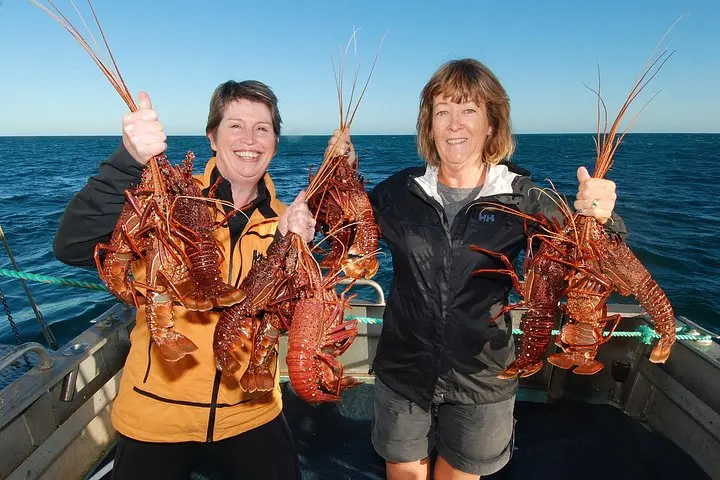
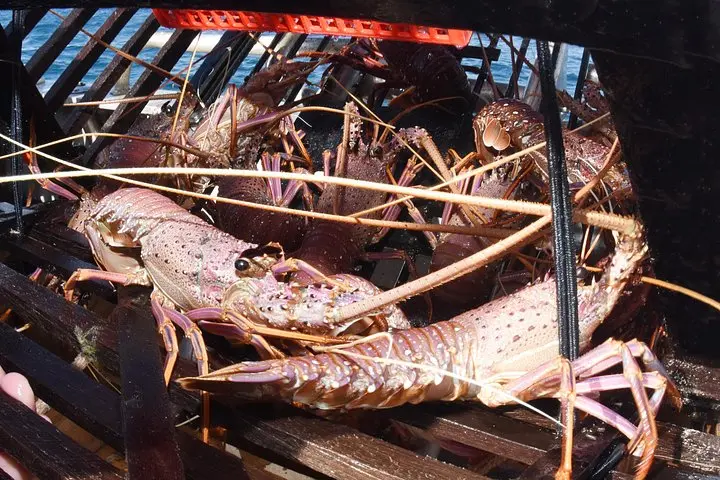
Morning light breaks over Geraldton’s Eco Wharf and the Dhu Force slips past the buoys, the ocean pushing at the hull like an insistent guide. Within minutes you’re beyond the headland where the Indian Ocean runs colder and the reef drops off; the crew reels in the first of twelve pots and the clack of creels on chain punctuates the sea air. It’s an immediate, tactile lesson in working water: hauling, measuring and deciding which lobsters go back to the reef.
Morning light breaks over Geraldton’s Eco Wharf and the Dhu Force slips past the buoys, the ocean pushing at the hull like an insistent guide. Within minutes you’re beyond the headland where the Indian Ocean runs colder and the reef drops off; the crew reels in the first of twelve pots and the clack of creels on chain punctuates the sea air. It’s an immediate, tactile lesson in working water: hauling, measuring and deciding which lobsters go back to the reef.
This stretch of coast is central to the Western Rock Lobster fishery — an industry that shaped Geraldton’s economy and rhythms for generations. The shoreline here rests on limestone and sand, with shallow reefs that concentrate lobster habitat where the continental shelf begins its gradual fall.
Culturally the tour is as much about craft as catch: local crew explain size rules, sustainable take, and how to read the sea for good pots. Expect hands-on opportunities — counting, sizing and helping reset gear — alongside safety briefings and a clear rule set tied to local management.
Practicalities: tours depart from Connell Road’s Eco Wharf at 8am and run about 90 minutes; the operator supplies bottled water. The trip is physically easy but requires steady footing on a working boat; minimum age is 8. Bring sun protection, layers for wind, and sea-sickness remedies if you’re prone. Note seasonal operation (late November through January) and health restrictions for pregnant guests or those with serious spine/heart issues. For a short, education-rich ocean outing, this is a compact way to feel the muscle of commercial fishing and walk away with both a story and part of the catch.