THE ADVENTURE COLLECTIVE® · Independent discovery and booking for outdoor travel

Walk Gettysburg after dark with guides who connect battlefield facts to eyewitness accounts and local ghost stories. This 90‑minute Haunted History walk visits former field hospitals, civilian homes like the Jennie Wade House, and other sites tied to the town’s Civil War narrative.
Walk Gettysburg after dark with guides who connect battlefield facts to eyewitness accounts and local ghost stories. This 90‑minute Haunted History walk visits former field hospitals, civilian homes like the Jennie Wade House, and other sites tied to the town’s Civil War narrative.
Night falls across Gettysburg and the Lincoln Statue becomes a pale lighthouse: the meeting point for a 90‑minute walk that threads together battlefield scars, quiet streets and eyewitness reports that still linger.
Verified experiences and guided adventures in the surrounding area.
Operated by Ghost City Tours of Gettysburg · Gettysburg, Pennsylvania
Night falls across Gettysburg and the Lincoln Statue becomes a pale lighthouse: the meeting point for a 90‑minute walk that threads together battlefield scars, quiet streets and eyewitness reports that still linger.
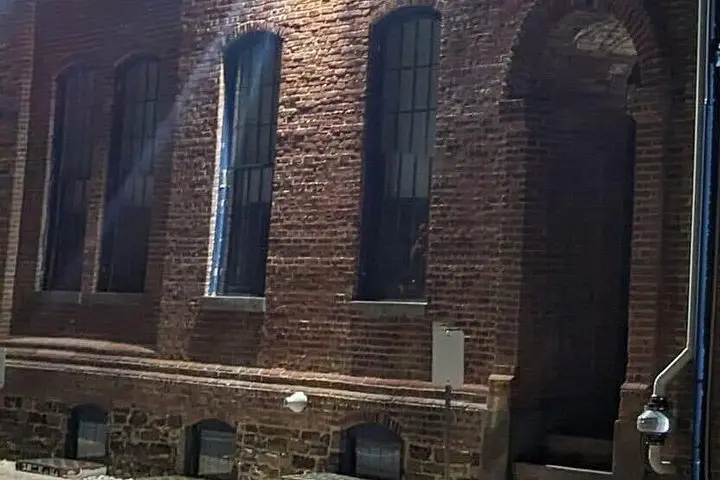
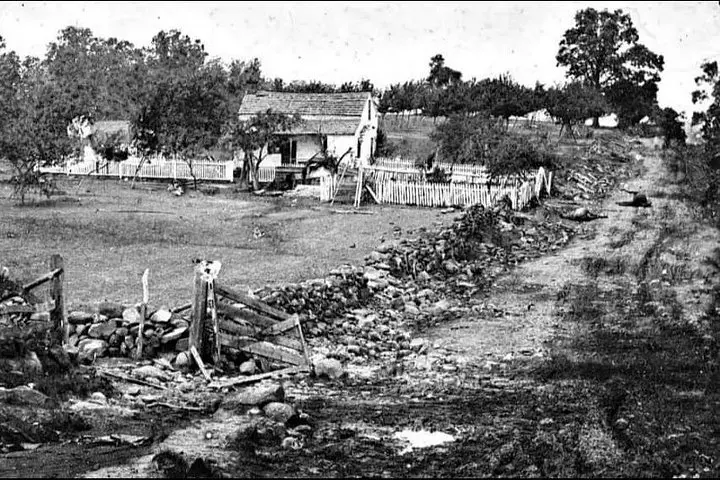
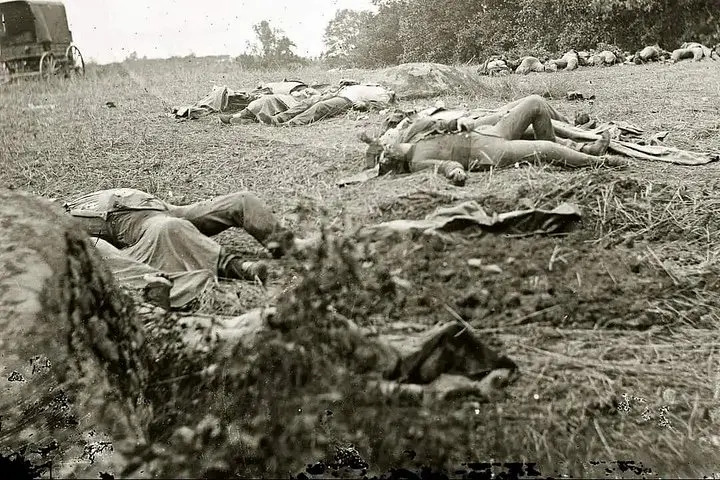
The tour moves along the town’s low limestone ridges and through brick-lined lanes where Civil War ambulances once rolled. Guides weave first‑hand reports, casualty lists and local lore into stops at former field hospitals, the Jennie Wade house and shuttered residences marked by cannon strikes — places where daily life was interrupted by battle and, visitors say, by the dead.
Geology here is practical: shallow soils over sedimentary rock created the ridgelines that shaped troop movements and made certain crossroads strategically vital. Culturally, Gettysburg is a living classroom — a downtown of preserved 19th‑century homes, small museums and volunteer stewards who balance tourism with careful conservation of artifacts.
Expect mostly paved streets and short, easy climbs; the tour is largely accessible but involves walking between stops and standing for interpretation. Guides often tell personal stories and point out subtle architectural clues to wartime life; some stops are indoors but many are not.
Practical edge: the tour starts at the Lincoln Statue outside the Ghost City storefront, runs about 90 minutes, and is restricted to guests 16 and older. Bring a small flashlight for dark sections, layer up for cool evenings, and wear sturdy shoes for uneven sidewalks. The company recommends cancelling at least 24 hours in advance for a full refund.
Guests must be at least 16 years old to participate in this tour.
Meet outside the Ghost City Tours storefront at the Lincoln Statue in downtown Gettysburg; arrive 10 minutes early to check in.
The operator lists wheelchair accessibility for sidewalks and surfaces, but guests should expect some standing; contact the operator ahead for specific accommodations.
Cancel at least 24 hours before the scheduled departure for a full refund; last‑minute cancellations are not refundable.
Ghost City Tours of Gettysburg operates guided outdoor trips and adventures with an emphasis on safety, stewardship, and memorable experiences.
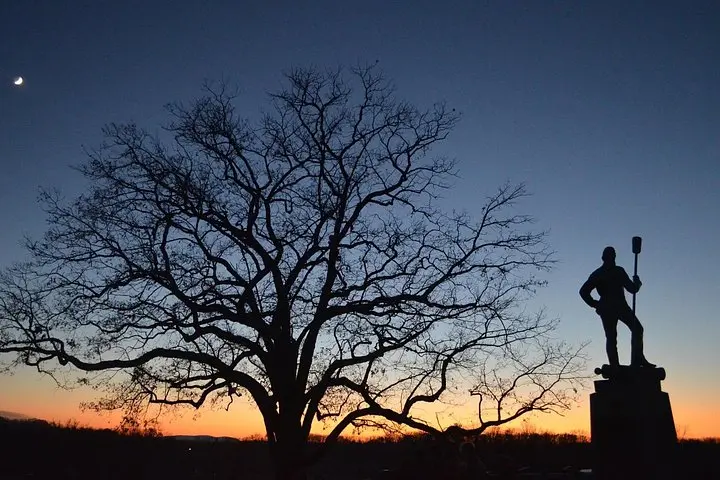
Night falls across Gettysburg and the Lincoln Statue becomes a pale lighthouse: the meeting point for a 90‑minute walk that threads together battlefield scars, quiet streets and eyewitness reports that still linger.
Night falls across Gettysburg and the Lincoln Statue becomes a pale lighthouse: the meeting point for a 90‑minute walk that threads together battlefield scars, quiet streets and eyewitness reports that still linger.
The tour moves along the town’s low limestone ridges and through brick-lined lanes where Civil War ambulances once rolled. Guides weave first‑hand reports, casualty lists and local lore into stops at former field hospitals, the Jennie Wade house and shuttered residences marked by cannon strikes — places where daily life was interrupted by battle and, visitors say, by the dead.
Geology here is practical: shallow soils over sedimentary rock created the ridgelines that shaped troop movements and made certain crossroads strategically vital. Culturally, Gettysburg is a living classroom — a downtown of preserved 19th‑century homes, small museums and volunteer stewards who balance tourism with careful conservation of artifacts.
Expect mostly paved streets and short, easy climbs; the tour is largely accessible but involves walking between stops and standing for interpretation. Guides often tell personal stories and point out subtle architectural clues to wartime life; some stops are indoors but many are not.
Practical edge: the tour starts at the Lincoln Statue outside the Ghost City storefront, runs about 90 minutes, and is restricted to guests 16 and older. Bring a small flashlight for dark sections, layer up for cool evenings, and wear sturdy shoes for uneven sidewalks. The company recommends cancelling at least 24 hours in advance for a full refund.