THE ADVENTURE COLLECTIVE® · Independent discovery and booking for outdoor travel

Walk Gettysburg’s southern streets with a licensed town guide and hear how civilians endured the Battle of Gettysburg. This one-hour tour focuses on homes, taverns and the daily logistics of wartime life.
Walk Gettysburg’s southern streets with a licensed town guide and hear how civilians endured the Battle of Gettysburg. This one-hour tour focuses on homes, taverns and the daily logistics of wartime life.
The guide leads the group off Steinwehr Avenue and into a town that still carries the heat and grit of July 1863.
Verified experiences and guided adventures in the surrounding area.
Operated by Gettysburg Licensed Town Guides · Gettysburg, Pennsylvania
The guide leads the group off Steinwehr Avenue and into a town that still carries the heat and grit of July 1863.
Streets that see daily deliveries and school traffic also hold shell-shocked houses, boarded windows and doorways where civilians sheltered as soldiers clashed a few blocks away. The tour focuses on the southern end of Gettysburg: compact rowhouses, taverns, and the crossroads where ordinary residents became instant caretakers and witnesses.
Gettysburg’s ground is limestone under a thin mantle of soil; buildings are brick and fieldstone, with scars from musket and artillery fire recorded in local archives and the town’s fabric. The civilian narrative shifts attention from ridge lines and troop movements to letters, household effects and the ways communities absorbed a battle’s logistics—caring for the wounded, burying the dead, and resuming commerce amid trauma.
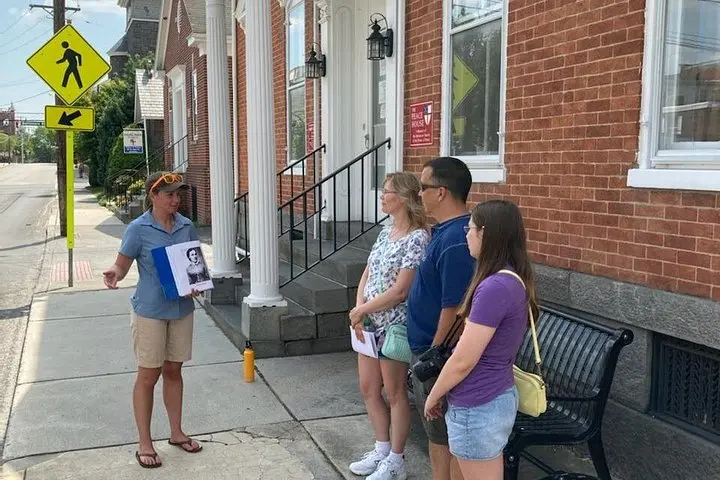
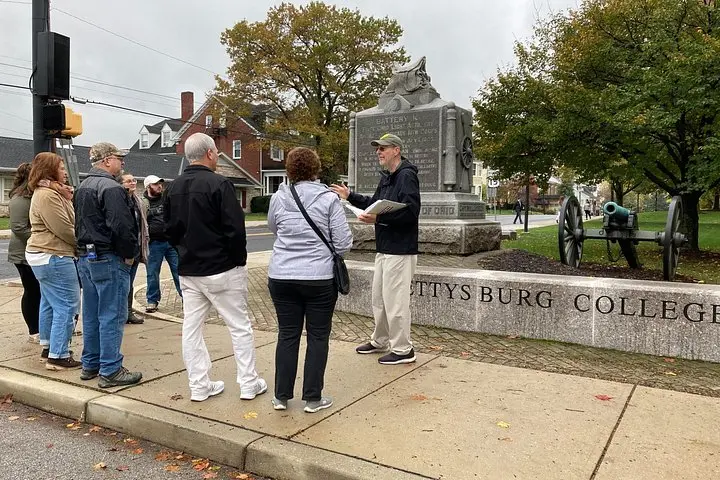
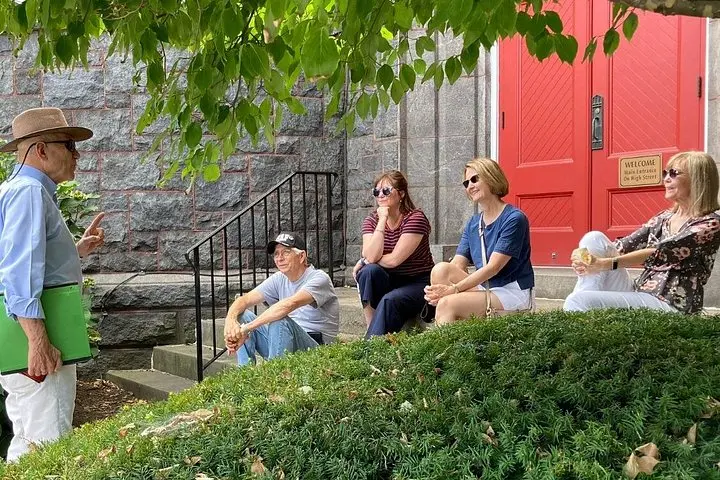
Expect a licensed town guide, small groups (under 10), and a steady walking pace on mostly paved streets with minimal elevation change. Guides weave primary-source anecdotes—diaries, pension records—and point out surviving architectural clues and period businesses.
Practical notes: arrive 10 minutes early, wear comfortable walking shoes, and bring water in summer. The tour is wheelchair and stroller accessible but be prepared for occasional uneven sidewalks and narrow doorways when stopping. Cameras are welcome; keep voices low at historic homes and cemeteries. This hour-long walk is best for visitors who want context beyond battlefield maps and prefer human stories to strategic diagrams.
The walking tour is one hour long and covers the southern end of Gettysburg’s town area.
Yes—infants and small children in strollers are allowed and the route is generally stroller-friendly, though some sidewalks are narrow.
The tour is wheelchair accessible, but callers with specific accessibility needs should check with the operator in advance about route details.
No—this town walking tour focuses on civilian sites in Gettysburg and does not require battlefield admission.
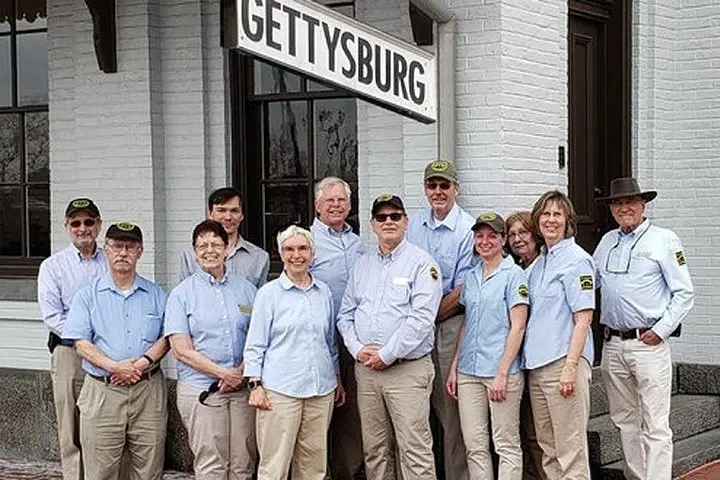
Gettysburg Licensed Town Guides operates guided outdoor trips and adventures with an emphasis on safety, stewardship, and memorable experiences.
The guide leads the group off Steinwehr Avenue and into a town that still carries the heat and grit of July 1863.
The guide leads the group off Steinwehr Avenue and into a town that still carries the heat and grit of July 1863.
Streets that see daily deliveries and school traffic also hold shell-shocked houses, boarded windows and doorways where civilians sheltered as soldiers clashed a few blocks away. The tour focuses on the southern end of Gettysburg: compact rowhouses, taverns, and the crossroads where ordinary residents became instant caretakers and witnesses.
Gettysburg’s ground is limestone under a thin mantle of soil; buildings are brick and fieldstone, with scars from musket and artillery fire recorded in local archives and the town’s fabric. The civilian narrative shifts attention from ridge lines and troop movements to letters, household effects and the ways communities absorbed a battle’s logistics—caring for the wounded, burying the dead, and resuming commerce amid trauma.
Expect a licensed town guide, small groups (under 10), and a steady walking pace on mostly paved streets with minimal elevation change. Guides weave primary-source anecdotes—diaries, pension records—and point out surviving architectural clues and period businesses.
Practical notes: arrive 10 minutes early, wear comfortable walking shoes, and bring water in summer. The tour is wheelchair and stroller accessible but be prepared for occasional uneven sidewalks and narrow doorways when stopping. Cameras are welcome; keep voices low at historic homes and cemeteries. This hour-long walk is best for visitors who want context beyond battlefield maps and prefer human stories to strategic diagrams.