THE ADVENTURE COLLECTIVE® · Independent discovery and booking for outdoor travel

A rugged, 8 km round-trip hike through Dhofar's rocky valleys to Ghaidh Water Spring, 45 km from Salalah. Expect frankincense groves, seasonal greenery, and rough 4x4 access; best for fit hikers.
A rugged, 8 km round-trip hike through Dhofar's rocky valleys to Ghaidh Water Spring, 45 km from Salalah. Expect frankincense groves, seasonal greenery, and rough 4x4 access; best for fit hikers.
You step out of the 4x4 onto warm rock and the air changes: humid, floral, edged with resin from ancient frankincense trees. The trail threads a rocky valley that opens and closes—short climbs, brief descents—leading toward Ghaidh Water Spring roughly 8 km round-trip from the road.
Verified experiences and guided adventures in the surrounding area.
Operated by Bin Majid Tourism · Salalah, Dhofar
You step out of the 4x4 onto warm rock and the air changes: humid, floral, edged with resin from ancient frankincense trees. The trail threads a rocky valley that opens and closes—short climbs, brief descents—leading toward Ghaidh Water Spring roughly 8 km round-trip from the road.
This part of Dhofar sits on the southern edge of the Arabian Peninsula, shaped by limestone ridges and seasonal monsoon moisture that turns arid slopes into ephemeral green. Frankincense groves and desert-rose formations mark a landscape used for trade since antiquity; caravans once carried resin from these hills to ports across the Indian Ocean.
On the hike expect coarse scree, packed gravel and narrow gullies carved by runoff; rocky footings reward steady pace and good shoes. Local Omani guides point out frankincense trees, point to shell fossils in the limestone and time the route to avoid mid-day heat. In Khareef (summer monsoon) the valley becomes markedly greener and humidity climbs; outside the monsoon it’s drier and crisp.
Practical guidance: this is a medium-level outing for fit walkers—8 km on uneven terrain plus transport from Salalah (about 45 km). Bring 2–3 liters of water, sun protection, a light rain shell during Khareef, and sturdy hiking shoes with ankle support. A guided visit uses a 4x4 to reach the trailhead and reduces navigation risk on rough access tracks. Start early to catch cooler air and the best light on the hills; stay on established paths to protect fragile vegetation and frankincense trees.
The walking distance is about 8 km round-trip from the vehicle parking area; expect 2.5–4 hours depending on pace and stops.
A guide is strongly recommended due to challenging access roads and remote terrain; guides also provide local knowledge of flora and safe route choices.
Khareef season (summer monsoon) is best for dramatic greenery and flowers, while the rest of the year is drier and cooler—each season offers different conditions.
Facilities are minimal to non-existent—plan to be self-sufficient with water, snacks, toilet supplies and a small first-aid kit.
Bin Majid Tourism operates guided outdoor trips and adventures with an emphasis on safety, stewardship, and memorable experiences.
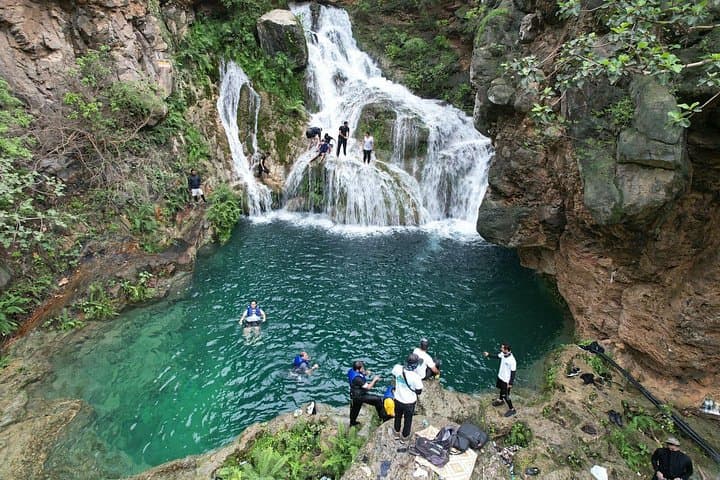
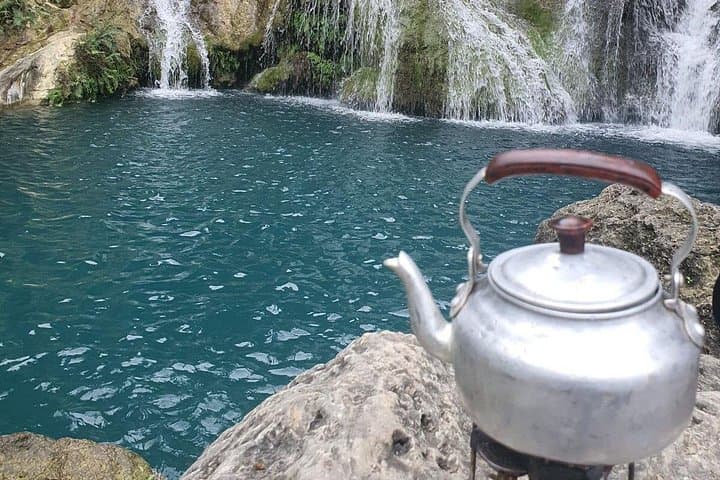
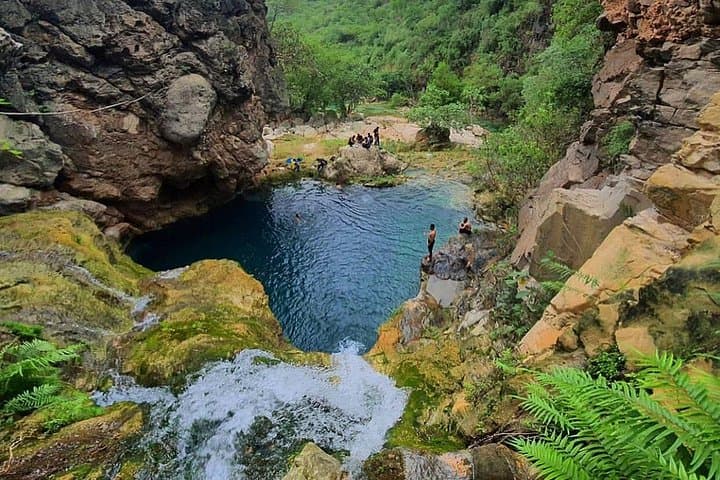
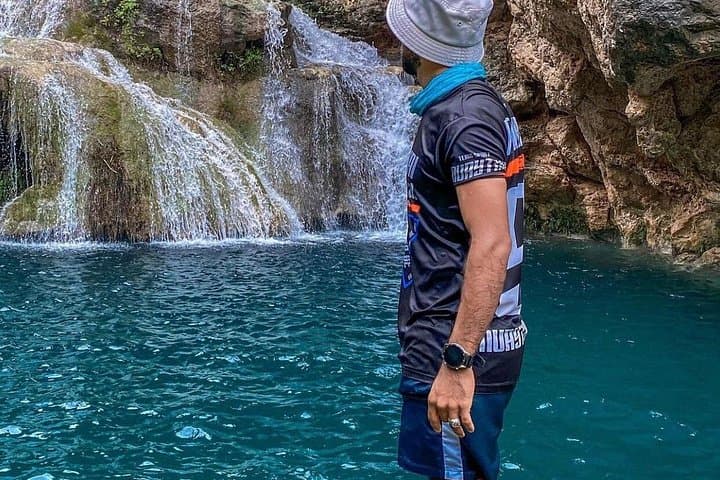
You step out of the 4x4 onto warm rock and the air changes: humid, floral, edged with resin from ancient frankincense trees. The trail threads a rocky valley that opens and closes—short climbs, brief descents—leading toward Ghaidh Water Spring roughly 8 km round-trip from the road.
You step out of the 4x4 onto warm rock and the air changes: humid, floral, edged with resin from ancient frankincense trees. The trail threads a rocky valley that opens and closes—short climbs, brief descents—leading toward Ghaidh Water Spring roughly 8 km round-trip from the road.
This part of Dhofar sits on the southern edge of the Arabian Peninsula, shaped by limestone ridges and seasonal monsoon moisture that turns arid slopes into ephemeral green. Frankincense groves and desert-rose formations mark a landscape used for trade since antiquity; caravans once carried resin from these hills to ports across the Indian Ocean.
On the hike expect coarse scree, packed gravel and narrow gullies carved by runoff; rocky footings reward steady pace and good shoes. Local Omani guides point out frankincense trees, point to shell fossils in the limestone and time the route to avoid mid-day heat. In Khareef (summer monsoon) the valley becomes markedly greener and humidity climbs; outside the monsoon it’s drier and crisp.
Practical guidance: this is a medium-level outing for fit walkers—8 km on uneven terrain plus transport from Salalah (about 45 km). Bring 2–3 liters of water, sun protection, a light rain shell during Khareef, and sturdy hiking shoes with ankle support. A guided visit uses a 4x4 to reach the trailhead and reduces navigation risk on rough access tracks. Start early to catch cooler air and the best light on the hills; stay on established paths to protect fragile vegetation and frankincense trees.