THE ADVENTURE COLLECTIVE® · Independent discovery and booking for outdoor travel

An eight-day loop from Accra through Kumasi to Cape Coast and Kakum National Park that blends living culture, historic forts, craft villages and an elevated canopy walk. Expect focused days of museums, markets, and short village treks with opportunities to buy Kente and Adinkra textiles.
An eight-day loop from Accra through Kumasi to Cape Coast and Kakum National Park that blends living culture, historic forts, craft villages and an elevated canopy walk. Expect focused days of museums, markets, and short village treks with opportunities to buy Kente and Adinkra textiles.
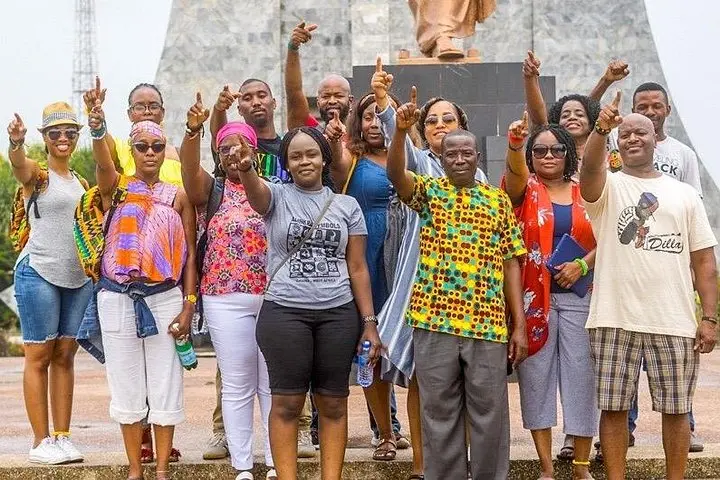
You arrive at Kotoka International Airport and the humid air seems to welcome history itself—traffic hums, street vendors call, and the guide’s voice cuts through with pragmatic calm: today you see Accra’s monuments, tomorrow you follow the Ashanti road. The tour moves with purpose: city squares and memorials yield to craft villages, forested lakeshores, and coastal fortifications where the Atlantic still pushes stories ashore.
Verified experiences and guided adventures in the surrounding area.
Operated by Dream Destinations Ghana Tours · Accra, Greater Accra
You arrive at Kotoka International Airport and the humid air seems to welcome history itself—traffic hums, street vendors call, and the guide’s voice cuts through with pragmatic calm: today you see Accra’s monuments, tomorrow you follow the Ashanti road. The tour moves with purpose: city squares and memorials yield to craft villages, forested lakeshores, and coastal fortifications where the Atlantic still pushes stories ashore.
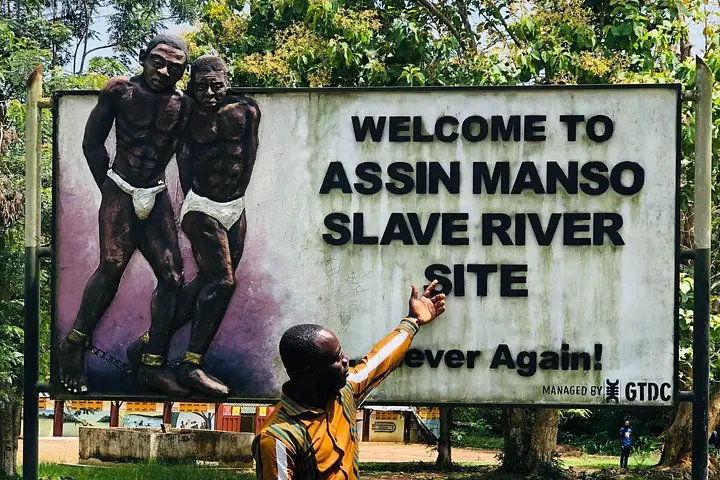
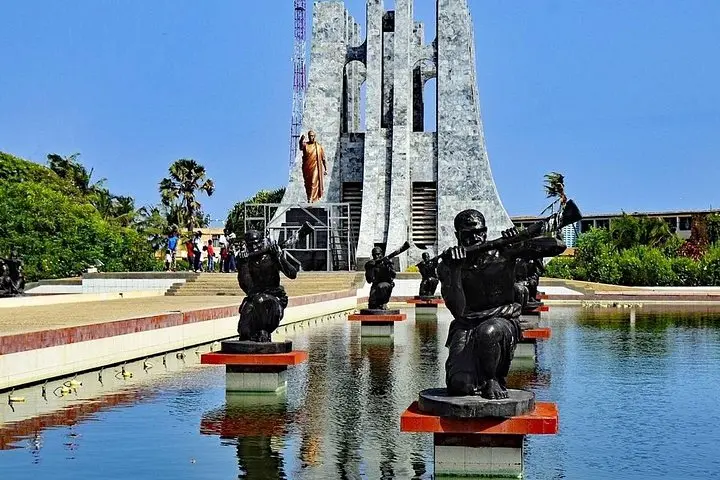
Across eight days you’ll trace Ghana’s layered past: colonial Accra with W.E.B. DuBois’ study and Kwame Nkrumah’s Independence Square; the fishing harbors and slave castles of Elmina and Cape Coast that map the transatlantic trade; and Kumasi’s Ashanti heart—palaces, the Okomfo Anokye sword site, and villages where Kente and Adinkra garments are made the old way.
Geologically, the route shifts from Accra’s coastal plain to the forested Akwapim–Togo ranges and the volcanic-influenced inland basin around Lake Bosomtwe, offering varied soils that support cocoa farms and dense canopy at Kakum National Park. Culture is tactile here: drum rhythms, courtyard markets, and artisan looms.
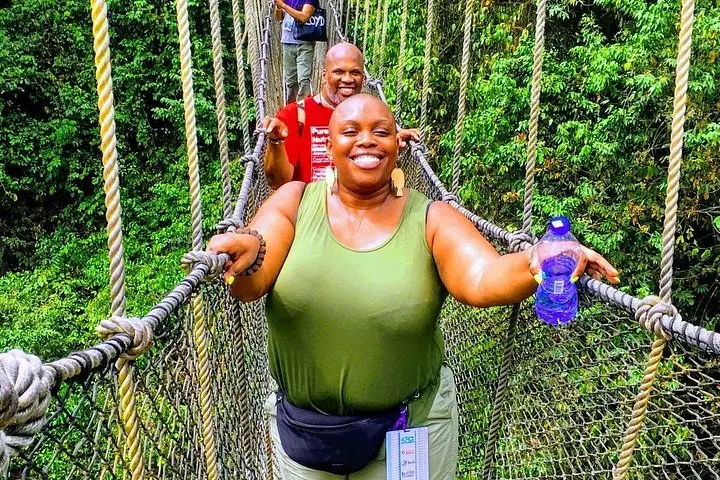
Practical guidance: expect repeated short walks, some uneven village paths, and a canopy-walk bridge about 300 meters long with platforms up to 45 meters above the forest floor. Bring a small daypack, insect repellent, and local cedi for market purchases. Pace your days—mornings are best for cooler museum visits and canopy walks; afternoons suit coastal markets and boat-harbor scenes. Hydrate, wear closed-toe shoes for village visits, and allow time to absorb both the celebratory and difficult chapters of Ghana’s history.
Yes — the itinerary notes stroller and wheelchair accessibility for many sites, but parents should prepare for long days and emotional sites like castles may not be suitable for very young children.
The published itinerary indicates admissions to key sites such as Kakum and Cape Coast Castle are included, but check booking details for any optional extras.
Expect short forest trails plus a canopy walkway of roughly 300 meters with viewing platforms; some steps and uneven ground are involved.
English is the primary language for national tours; guides may also provide context in local languages where appropriate.
Dream Destinations Ghana Tours operates guided outdoor trips and adventures with an emphasis on safety, stewardship, and memorable experiences.
You arrive at Kotoka International Airport and the humid air seems to welcome history itself—traffic hums, street vendors call, and the guide’s voice cuts through with pragmatic calm: today you see Accra’s monuments, tomorrow you follow the Ashanti road. The tour moves with purpose: city squares and memorials yield to craft villages, forested lakeshores, and coastal fortifications where the Atlantic still pushes stories ashore.
You arrive at Kotoka International Airport and the humid air seems to welcome history itself—traffic hums, street vendors call, and the guide’s voice cuts through with pragmatic calm: today you see Accra’s monuments, tomorrow you follow the Ashanti road. The tour moves with purpose: city squares and memorials yield to craft villages, forested lakeshores, and coastal fortifications where the Atlantic still pushes stories ashore.
Across eight days you’ll trace Ghana’s layered past: colonial Accra with W.E.B. DuBois’ study and Kwame Nkrumah’s Independence Square; the fishing harbors and slave castles of Elmina and Cape Coast that map the transatlantic trade; and Kumasi’s Ashanti heart—palaces, the Okomfo Anokye sword site, and villages where Kente and Adinkra garments are made the old way.
Geologically, the route shifts from Accra’s coastal plain to the forested Akwapim–Togo ranges and the volcanic-influenced inland basin around Lake Bosomtwe, offering varied soils that support cocoa farms and dense canopy at Kakum National Park. Culture is tactile here: drum rhythms, courtyard markets, and artisan looms.
Practical guidance: expect repeated short walks, some uneven village paths, and a canopy-walk bridge about 300 meters long with platforms up to 45 meters above the forest floor. Bring a small daypack, insect repellent, and local cedi for market purchases. Pace your days—mornings are best for cooler museum visits and canopy walks; afternoons suit coastal markets and boat-harbor scenes. Hydrate, wear closed-toe shoes for village visits, and allow time to absorb both the celebratory and difficult chapters of Ghana’s history.