THE ADVENTURE COLLECTIVE® · Independent discovery and booking for outdoor travel

Walk from James Town’s lighthouse to the dungeons of Cape Coast Castle on a two-day private tour that connects community life with Ghana’s colonial past. This vehicle-supported itinerary mixes short walks, river-side reflection, and guided museum visits.
Walk from James Town’s lighthouse to the dungeons of Cape Coast Castle on a two-day private tour that connects community life with Ghana’s colonial past. This vehicle-supported itinerary mixes short walks, river-side reflection, and guided museum visits.
The tour begins with the salt air and gull calls of James Town, where the lighthouse watches over a frayed coastline and fishermen haul nets into the early light. Guests move through tight alleys and stairways, guided by a local voice that threads together community life and colonial legacies.
Verified experiences and guided adventures in the surrounding area.
Operated by Ghana City Tours · Accra, Greater Accra Region
The tour begins with the salt air and gull calls of James Town, where the lighthouse watches over a frayed coastline and fishermen haul nets into the early light. Guests move through tight alleys and stairways, guided by a local voice that threads together community life and colonial legacies.
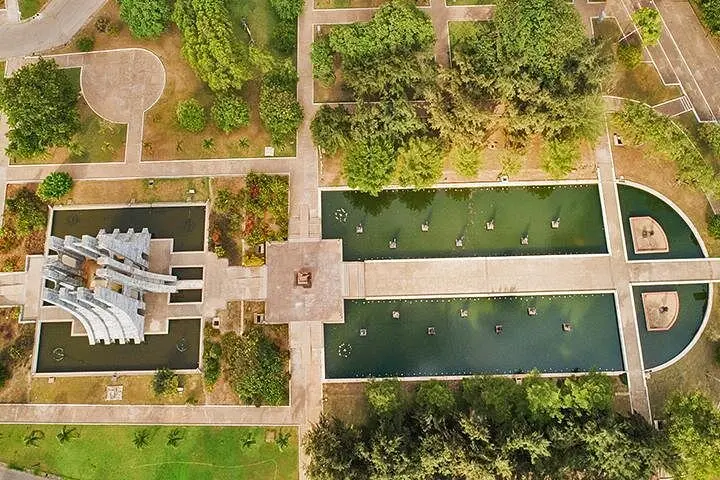
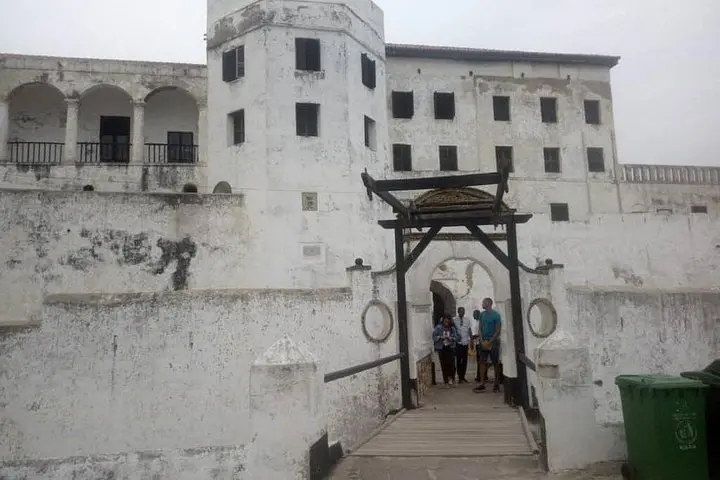
Day one follows the quieter inland road to Assin Manso’s Ancestral River Park, where a shaded stretch of river and a modest memorial mark the last bath of enslaved people before coastal departure. The route continues to Cape Coast Castle — the Gate of No Return — a UNESCO site whose stone stairways and dungeon floors give a tangible sense of the Atlantic slave trade from the 16th–19th centuries.
Geology here is coastal plain: low elevation, sandy beaches and iron-rich laterite soils inland. Culturally, Accra and the Central Region blend Ga, Fante, and Akan traditions; James Town still pulses with fishing culture and community drumming.
Practical guidance: the tour is vehicle-supported with multiple short walks, stair climbs inside forts, and some unsurfaced pathways near river and shore. Expect 3–4 hours of driving total and several 30–60 minute site explorations each day. Bring sun protection, a refillable water bottle, and shoes that handle stairs and sand. Carry cedi for small purchases and tipping; guides and museum staff accept cash. The route runs year-round but is most comfortable during the dry months (November–March). Allow time to absorb exhibits—these sites reward slow, reflective visits rather than haste.
Most site admissions listed in the itinerary are included, but confirm specific sites at booking; small museum fees can vary.
Yes—an air-conditioned vehicle and driver are included for transfers between Accra, Assin Manso and Cape Coast.
The provider notes stroller-accessible options, but castles and some river paths have stairs and tight passages that limit accessibility.
Full refunds are available if you cancel at least 24 hours before departure; check the operator’s policy for last-minute changes.
Ghana City Tours operates guided outdoor trips and adventures with an emphasis on safety, stewardship, and memorable experiences.
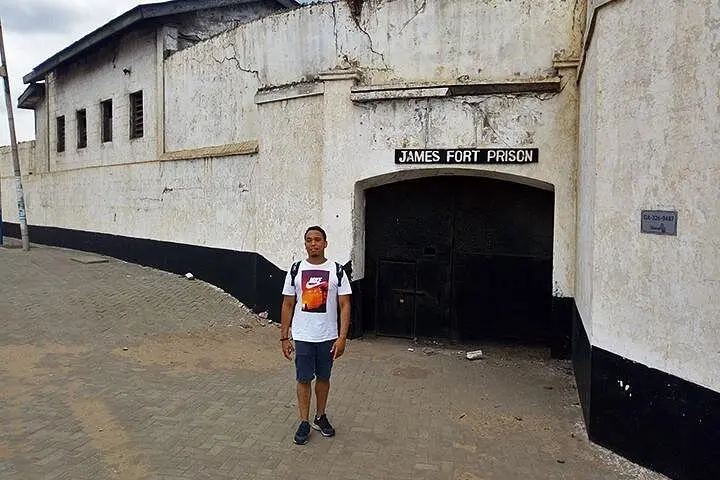
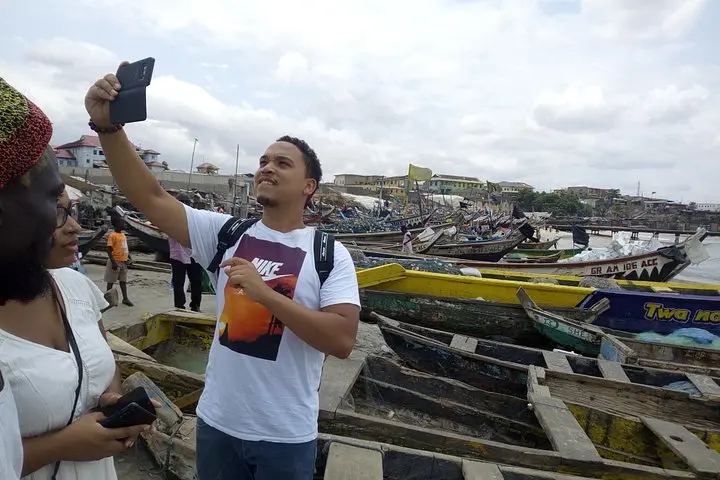
The tour begins with the salt air and gull calls of James Town, where the lighthouse watches over a frayed coastline and fishermen haul nets into the early light. Guests move through tight alleys and stairways, guided by a local voice that threads together community life and colonial legacies.
The tour begins with the salt air and gull calls of James Town, where the lighthouse watches over a frayed coastline and fishermen haul nets into the early light. Guests move through tight alleys and stairways, guided by a local voice that threads together community life and colonial legacies.
Day one follows the quieter inland road to Assin Manso’s Ancestral River Park, where a shaded stretch of river and a modest memorial mark the last bath of enslaved people before coastal departure. The route continues to Cape Coast Castle — the Gate of No Return — a UNESCO site whose stone stairways and dungeon floors give a tangible sense of the Atlantic slave trade from the 16th–19th centuries.
Geology here is coastal plain: low elevation, sandy beaches and iron-rich laterite soils inland. Culturally, Accra and the Central Region blend Ga, Fante, and Akan traditions; James Town still pulses with fishing culture and community drumming.
Practical guidance: the tour is vehicle-supported with multiple short walks, stair climbs inside forts, and some unsurfaced pathways near river and shore. Expect 3–4 hours of driving total and several 30–60 minute site explorations each day. Bring sun protection, a refillable water bottle, and shoes that handle stairs and sand. Carry cedi for small purchases and tipping; guides and museum staff accept cash. The route runs year-round but is most comfortable during the dry months (November–March). Allow time to absorb exhibits—these sites reward slow, reflective visits rather than haste.