THE ADVENTURE COLLECTIVE® · Independent discovery and booking for outdoor travel

Trace ancestral routes across Ghana from Accra’s monuments to the Cape Coast dungeons and the dizzy Kakum canopy walkway. This seven‑day cultural tour blends political history, Ashanti craft traditions and rainforest adventure with practical transport and lodging.
Trace ancestral routes across Ghana from Accra’s monuments to the Cape Coast dungeons and the dizzy Kakum canopy walkway. This seven‑day cultural tour blends political history, Ashanti craft traditions and rainforest adventure with practical transport and lodging.
The bus eases out of Accra before dawn, city sound shrinking to a hum as palms and red earth unfurl along the highway. You feel the itinerary shift from urban memory to deep-time landscape: a coastline that carried ships, a rainforest that still holds its own breath, and towns where kings and weavers keep customs alive.
Verified experiences and guided adventures in the surrounding area.
Operated by Eyali Tours · Accra, Greater Accra
The bus eases out of Accra before dawn, city sound shrinking to a hum as palms and red earth unfurl along the highway. You feel the itinerary shift from urban memory to deep-time landscape: a coastline that carried ships, a rainforest that still holds its own breath, and towns where kings and weavers keep customs alive.
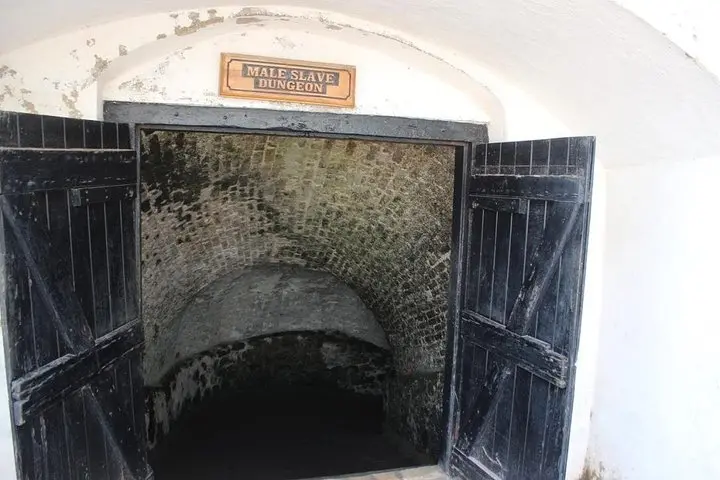
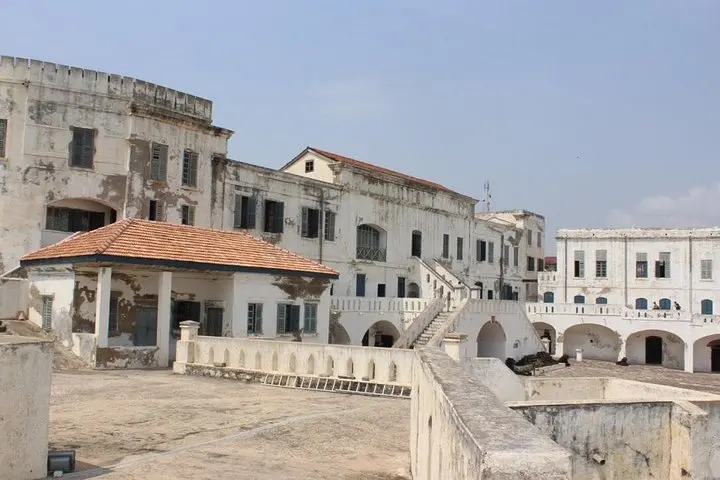
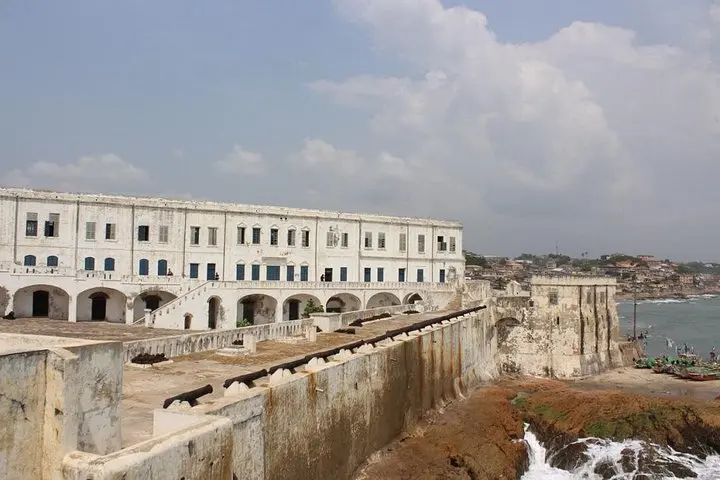
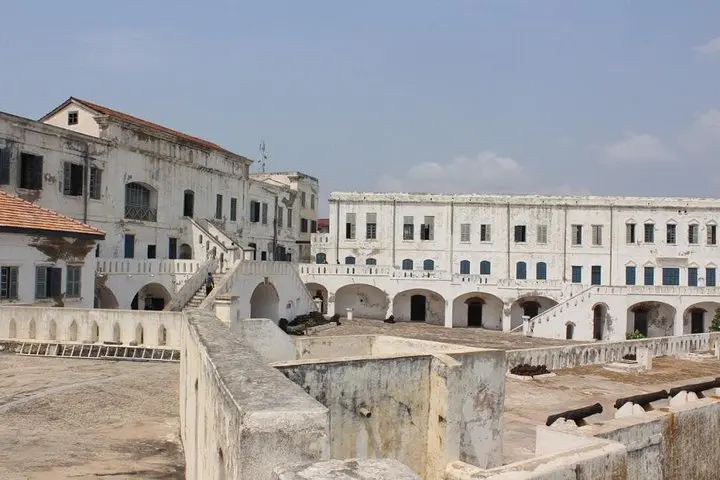
This seven‑day journey threads modern Ghanaian history with places that mark the transatlantic slave trade—Cape Coast and Elmina dungeons, Assin Manso’s Slave River—and the political legacy of figures like Kwame Nkrumah and W.E.B. DuBois. Geologically the route moves from coastal sands through coastal plains into the moist semi-deciduous rainforest of Kakum, where the canopy walkway suspends you roughly 40 meters above a biodiverse understory.
Culture here is tangible: Ashanti royal stools in Kumasi, handwoven Kente in Bonwire, and Adinkra prints stamped with symbols that carry social meaning. Local markets pulse with fabrics, carved stools and brass jewelry; in James Town you’ll encounter lighthouse views and a living boxing culture.
Practical guidance: pack light for inter‑site transfers but include sturdy walking shoes for uneven dungeon ramps and the Kakum canopy bridges. Carry Ghana cedi in small notes for market purchases and tips; bottled water and sunscreen are daily essentials. Expect comfortable mid‑range accommodations and an air‑conditioned vehicle for long drives. Allow time for emotional processing at the dungeons—these visits are often intense. Plan to travel in the dry season (Nov–Mar) for easier roads, though Kakum’s canopy is compelling year‑round.
This tour balances history, living traditions and a rainforest high above the floor—an itinerary designed to connect place, ancestry and cultural continuity with clear, practical rhythm.
The tour is rated easy: most activities involve walking short distances, stairs and brief hikes; no advanced fitness is required.
Bring Ghana cedi for markets and small purchases; ATMs are common in Accra and Kumasi but carry cash for smaller towns.
According to the itinerary, entrance fees and mid‑range accommodations are included, but confirm specific inclusions at booking.
The dry season (November–March) offers easier road travel and fewer heavy rains, though Kakum canopy is accessible year‑round.
Eyali Tours operates guided outdoor trips and adventures with an emphasis on safety, stewardship, and memorable experiences.
The bus eases out of Accra before dawn, city sound shrinking to a hum as palms and red earth unfurl along the highway. You feel the itinerary shift from urban memory to deep-time landscape: a coastline that carried ships, a rainforest that still holds its own breath, and towns where kings and weavers keep customs alive.
The bus eases out of Accra before dawn, city sound shrinking to a hum as palms and red earth unfurl along the highway. You feel the itinerary shift from urban memory to deep-time landscape: a coastline that carried ships, a rainforest that still holds its own breath, and towns where kings and weavers keep customs alive.
This seven‑day journey threads modern Ghanaian history with places that mark the transatlantic slave trade—Cape Coast and Elmina dungeons, Assin Manso’s Slave River—and the political legacy of figures like Kwame Nkrumah and W.E.B. DuBois. Geologically the route moves from coastal sands through coastal plains into the moist semi-deciduous rainforest of Kakum, where the canopy walkway suspends you roughly 40 meters above a biodiverse understory.
Culture here is tangible: Ashanti royal stools in Kumasi, handwoven Kente in Bonwire, and Adinkra prints stamped with symbols that carry social meaning. Local markets pulse with fabrics, carved stools and brass jewelry; in James Town you’ll encounter lighthouse views and a living boxing culture.
Practical guidance: pack light for inter‑site transfers but include sturdy walking shoes for uneven dungeon ramps and the Kakum canopy bridges. Carry Ghana cedi in small notes for market purchases and tips; bottled water and sunscreen are daily essentials. Expect comfortable mid‑range accommodations and an air‑conditioned vehicle for long drives. Allow time for emotional processing at the dungeons—these visits are often intense. Plan to travel in the dry season (Nov–Mar) for easier roads, though Kakum’s canopy is compelling year‑round.
This tour balances history, living traditions and a rainforest high above the floor—an itinerary designed to connect place, ancestry and cultural continuity with clear, practical rhythm.