THE ADVENTURE COLLECTIVE® · Independent discovery and booking for outdoor travel

A compact Himalayan trek to Ghandruk delivers big Annapurna views, Gurung culture and teahouse nights. This 2–3 day route from Nayapul climbs stone steps through rhododendron forests to an accessible high-village panorama.
A compact Himalayan trek to Ghandruk delivers big Annapurna views, Gurung culture and teahouse nights. This 2–3 day route from Nayapul climbs stone steps through rhododendron forests to an accessible high-village panorama.
You emerge from a pine-shaded track onto a bench of fields and stone houses — the village of Ghandruk sits at about 2,012 m, wind catching prayer flags and framing a sudden view of Annapurna South and the knife-edge of Machapuchare.
Verified experiences and guided adventures in the surrounding area.
Operated by Trekking Guide Team Adventure · Ghandruk, Gandaki Province
You emerge from a pine-shaded track onto a bench of fields and stone houses — the village of Ghandruk sits at about 2,012 m, wind catching prayer flags and framing a sudden view of Annapurna South and the knife-edge of Machapuchare.
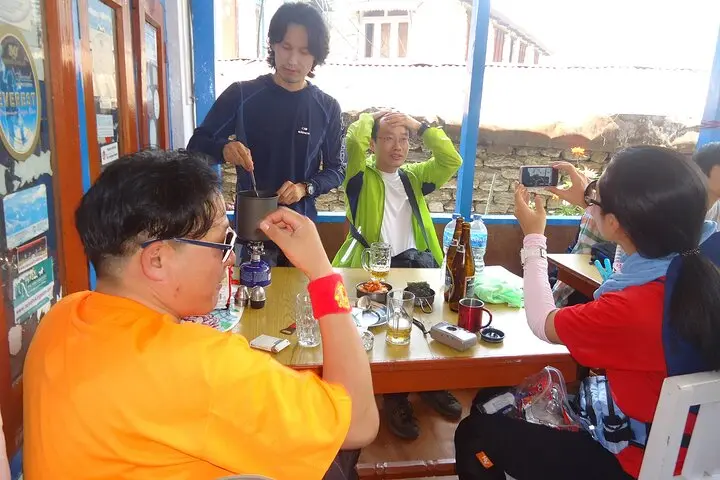
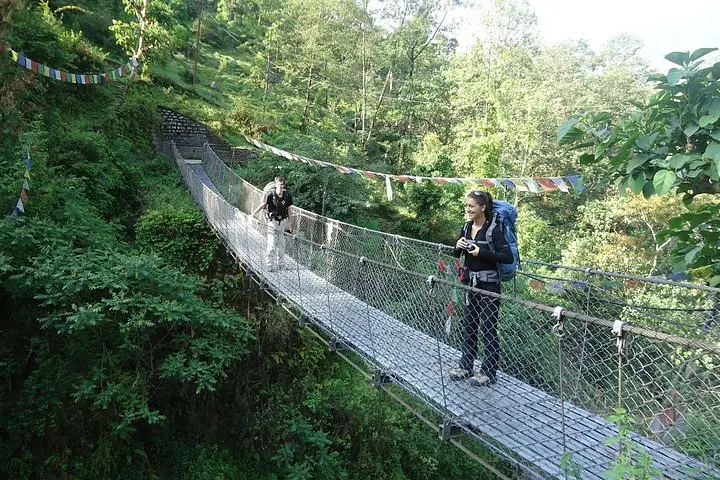
This short multi-day trek follows old mule routes from Nayapul (915 m) up stone steps through rhododendron and oak, gaining roughly 1,000–1,200 m over 3–4 hours. Geologically, the trail rides foothills carved by monsoon runoff and ancient glaciers; the terraces underfoot are human-cut responses to steep, young Himalayan slopes. Culturally, Ghandruk is a Gurung stronghold — expect warm tea-house hospitality, traditional music at the farewell dinner, and simple meals of dal bhat.
The itinerary is straightforward: drive Pokhara to Nayapul, a steady climb to Ghandruk with teahouse overnight, then return to Pokhara and onward to Kathmandu. Trails are mostly well-defined stone steps and narrow dirt singletrack; occasional loose scree and wet sections appear in shoulder seasons. Annapurna Conservation Area rules apply — you’ll need an ACAP permit and TIMS card (often included in packaged trips).
Practical edge: start early for the mountain light, carry layered insulation for sharp morning winds, and hydrate aggressively — altitude is moderate but rapid ascent makes AMS a real risk. Footwear with good grip and ankle support handles uneven stone steps; trekking poles smooth descents. Plan spring or autumn for the clearest views; winter offers quiet skies but colder nights. The trek is ideal for hikers with moderate fitness who want compact Himalayan exposure without high-altitude technical demands.
Yes — an Annapurna Conservation Area Permit (ACAP) and a TIMS card are required; many operators include them in the package.
Expect 3–4 hours of steady climbing on stone steps and dirt trail with around 1,000–1,200 m elevation gain, suitable for hikers with moderate fitness.
Basic teahouses provide shared rooms, hot meals and simple beds; standards vary but are comfortable for overnight trekking.
Spring (March–May) and autumn (September–November) offer the clearest skies and stable trekking conditions.
Trekking Guide Team Adventure operates guided outdoor trips and adventures with an emphasis on safety, stewardship, and memorable experiences.
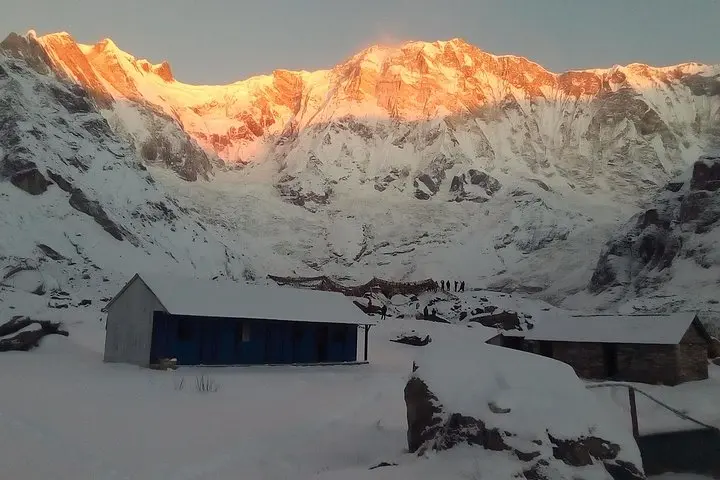
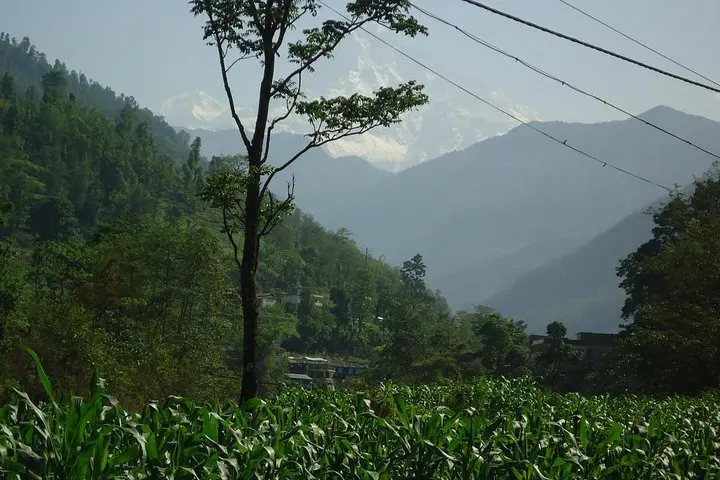
You emerge from a pine-shaded track onto a bench of fields and stone houses — the village of Ghandruk sits at about 2,012 m, wind catching prayer flags and framing a sudden view of Annapurna South and the knife-edge of Machapuchare.
You emerge from a pine-shaded track onto a bench of fields and stone houses — the village of Ghandruk sits at about 2,012 m, wind catching prayer flags and framing a sudden view of Annapurna South and the knife-edge of Machapuchare.
This short multi-day trek follows old mule routes from Nayapul (915 m) up stone steps through rhododendron and oak, gaining roughly 1,000–1,200 m over 3–4 hours. Geologically, the trail rides foothills carved by monsoon runoff and ancient glaciers; the terraces underfoot are human-cut responses to steep, young Himalayan slopes. Culturally, Ghandruk is a Gurung stronghold — expect warm tea-house hospitality, traditional music at the farewell dinner, and simple meals of dal bhat.
The itinerary is straightforward: drive Pokhara to Nayapul, a steady climb to Ghandruk with teahouse overnight, then return to Pokhara and onward to Kathmandu. Trails are mostly well-defined stone steps and narrow dirt singletrack; occasional loose scree and wet sections appear in shoulder seasons. Annapurna Conservation Area rules apply — you’ll need an ACAP permit and TIMS card (often included in packaged trips).
Practical edge: start early for the mountain light, carry layered insulation for sharp morning winds, and hydrate aggressively — altitude is moderate but rapid ascent makes AMS a real risk. Footwear with good grip and ankle support handles uneven stone steps; trekking poles smooth descents. Plan spring or autumn for the clearest views; winter offers quiet skies but colder nights. The trek is ideal for hikers with moderate fitness who want compact Himalayan exposure without high-altitude technical demands.