THE ADVENTURE COLLECTIVE® · Independent discovery and booking for outdoor travel

A two-day itinerary that pairs two of Gheralta’s most dramatic rock-hewn churches with high, exposed hikes and wide valley views. Ideal for travelers who want both cultural depth and adventurous scrambling.
A two-day itinerary that pairs two of Gheralta’s most dramatic rock-hewn churches with high, exposed hikes and wide valley views. Ideal for travelers who want both cultural depth and adventurous scrambling.
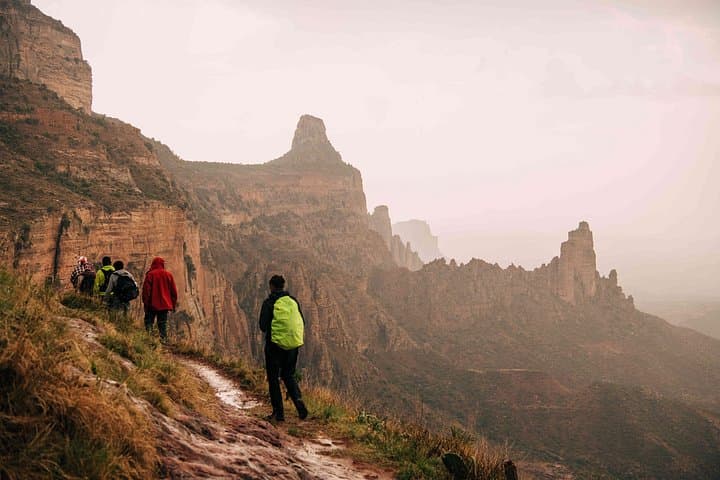
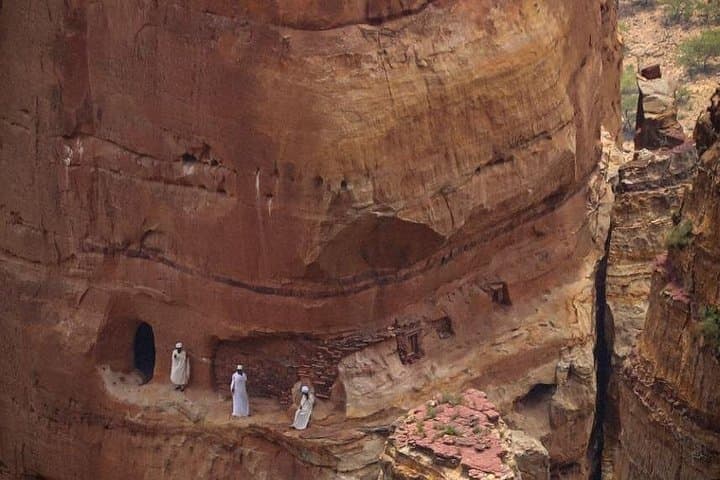
You arrive in Mekele at dawn; the air is thin and bright, and the Gheralta massif rises like a raw spine against the eastern horizon. The first day’s drive threads dusty villages and terraced fields before the cliff faces open to reveal Abreha Atsbeha — a rock-hewn church tucked into a vertical wall where centuries of worship meet sweeping valley views.
Verified experiences and guided adventures in the surrounding area.
Operated by Sphere Tours · Mekele, Tigray
You arrive in Mekele at dawn; the air is thin and bright, and the Gheralta massif rises like a raw spine against the eastern horizon. The first day’s drive threads dusty villages and terraced fields before the cliff faces open to reveal Abreha Atsbeha — a rock-hewn church tucked into a vertical wall where centuries of worship meet sweeping valley views.
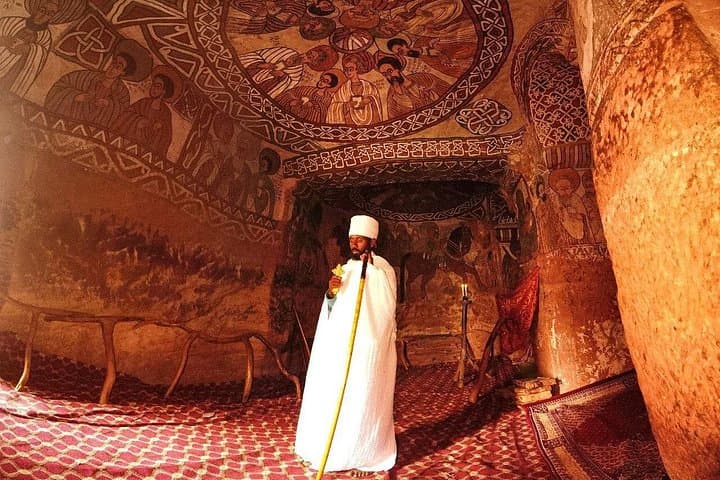
The next morning’s hike toward Abune Yemata tightens the focus: a narrow trail, handholds hewn into rock, and a final exposed scramble to a chapel painted with traditional Ethiopian iconography. These churches date to the medieval Zagwe and later Abyssinian eras and are carved from Precambrian sandstone and volcanic tuff; the cliff faces still bear the tool marks of generations.
Culturally, the region remains devout and hospitable — priests, caretakers, and shepherds maintain routes and rituals. Geologically, the tufa and sandstone cliffs provide dramatic ledges and natural chimneys that guide both drainage and footpaths. Expect encounters with shepherd dogs and local farmers, and quiet time in sanctuaries where centuries-old murals watch the valley below.
Practical guidance: the hike to Abune Yemata is steep and exposed; travel with experienced guides and wear shoes with sticky soles. Bring at least 2–3 liters of water, sun protection, and layered clothing for wind and temperature swings. Allow time for slow, deliberate climbs and for photography at the cliff-edge viewpoints. If you have cardiovascular concerns or vertigo, discuss alternatives with your operator. With proper preparation, the two-day circuit is a compact blend of cultural immersion, technical hiking, and big, startling views.
The final approach includes exposed sections and short rock scrambles; it’s challenging but manageable for hikers comfortable with exposure and a steady pace.
Local entry practices vary; guides usually arrange permissions and any customary donations to clergy or caretakers at the churches.
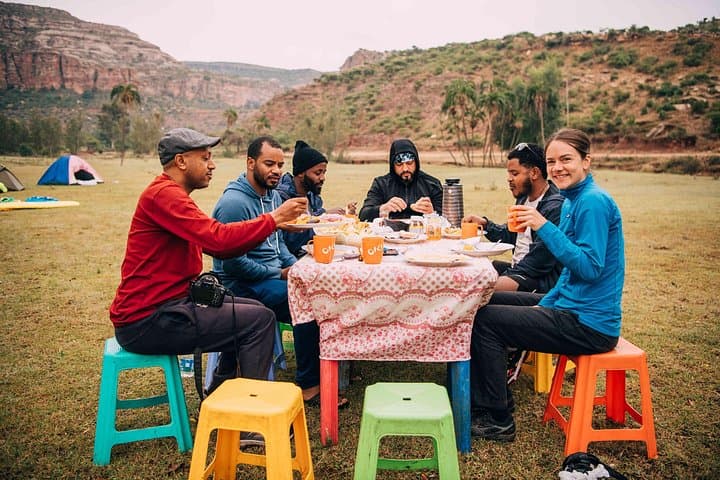
Typical packages cover transportation from Mekele, guided hikes, two lunches, dinner and breakfast, and lodge accommodation, but confirm specific inclusions with the operator.
Due to steep, exposed climbs and uneven steps, it is not recommended for those with limited mobility or young children without prior experience on similar terrain.
Sphere Tours operates guided outdoor trips and adventures with an emphasis on safety, stewardship, and memorable experiences.
You arrive in Mekele at dawn; the air is thin and bright, and the Gheralta massif rises like a raw spine against the eastern horizon. The first day’s drive threads dusty villages and terraced fields before the cliff faces open to reveal Abreha Atsbeha — a rock-hewn church tucked into a vertical wall where centuries of worship meet sweeping valley views.
You arrive in Mekele at dawn; the air is thin and bright, and the Gheralta massif rises like a raw spine against the eastern horizon. The first day’s drive threads dusty villages and terraced fields before the cliff faces open to reveal Abreha Atsbeha — a rock-hewn church tucked into a vertical wall where centuries of worship meet sweeping valley views.
The next morning’s hike toward Abune Yemata tightens the focus: a narrow trail, handholds hewn into rock, and a final exposed scramble to a chapel painted with traditional Ethiopian iconography. These churches date to the medieval Zagwe and later Abyssinian eras and are carved from Precambrian sandstone and volcanic tuff; the cliff faces still bear the tool marks of generations.
Culturally, the region remains devout and hospitable — priests, caretakers, and shepherds maintain routes and rituals. Geologically, the tufa and sandstone cliffs provide dramatic ledges and natural chimneys that guide both drainage and footpaths. Expect encounters with shepherd dogs and local farmers, and quiet time in sanctuaries where centuries-old murals watch the valley below.
Practical guidance: the hike to Abune Yemata is steep and exposed; travel with experienced guides and wear shoes with sticky soles. Bring at least 2–3 liters of water, sun protection, and layered clothing for wind and temperature swings. Allow time for slow, deliberate climbs and for photography at the cliff-edge viewpoints. If you have cardiovascular concerns or vertigo, discuss alternatives with your operator. With proper preparation, the two-day circuit is a compact blend of cultural immersion, technical hiking, and big, startling views.