THE ADVENTURE COLLECTIVE® · Independent discovery and booking for outdoor travel

A compact, five-day loop from Pokhara that delivers a dawn summit at Poon Hill, close mountain panoramas, and village teahouse stays. Ideal for travelers with reasonable fitness seeking classic Annapurna views without extreme altitude.
A compact, five-day loop from Pokhara that delivers a dawn summit at Poon Hill, close mountain panoramas, and village teahouse stays. Ideal for travelers with reasonable fitness seeking classic Annapurna views without extreme altitude.
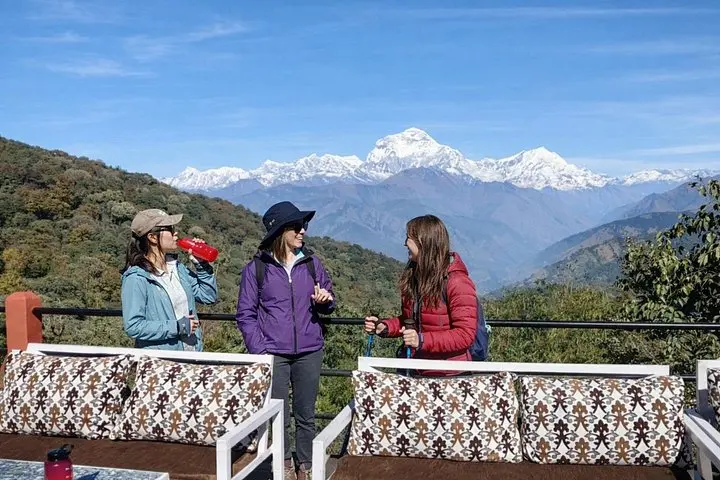
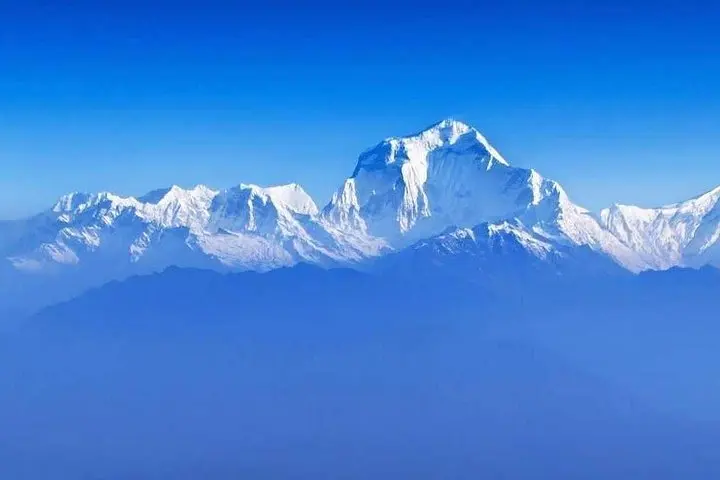
A thin, cold light slides over serrated summits as you climb the final switchbacks to Poon Hill. Ahead, ridgelines cut the sky and Annapurna I, Dhaulagiri and Machhapuchhre stage a slow, exacting performance; behind you, rhododendron trunks lean like old walkers. The first morning here is less a postcard than a lived moment—breath visible, pack shifting with each step, locals tending teahouses that smell of woodfire and chai.
Verified experiences and guided adventures in the surrounding area.
Operated by Mountain Hike Nepal · Ghorepani, Gandaki Province
A thin, cold light slides over serrated summits as you climb the final switchbacks to Poon Hill. Ahead, ridgelines cut the sky and Annapurna I, Dhaulagiri and Machhapuchhre stage a slow, exacting performance; behind you, rhododendron trunks lean like old walkers. The first morning here is less a postcard than a lived moment—breath visible, pack shifting with each step, locals tending teahouses that smell of woodfire and chai.
This short circuit traces centuries of mountain routes used by Gurung villages and seasonal traders, now protected within the Annapurna Conservation Area—Nepal’s first community-managed conservation project. Geologically, you move across ancient Himalayan folds: river-cut valleys, terraced farmland, and steep stone staircases hewn to steady the ascent.
Culturally, the trail threads through Ghandruk, a large Gurung village where houses display carved lintels and a local museum offers context on wartime service in the British Gurkha regiments. Wildlife is subtle—birdcalls and the occasional Himalayan pheasant—but the real story is the living trail culture: warm teahouses, dal bhat plates, and porters who read weather like farmers read wind.
Practical guidance: plan for 4–6 hours walking per day on mostly stone and packed-earth trails, with the hardest push to Poon Hill at ~3,210 m. Pack layered clothing for cold sunrises, carry water and a small first-aid kit, and allow extra time for steep stair sections. The route is suitable for travelers with reasonable fitness; hire a licensed guide for navigation and local insight. With modest elevation and big views, this circuit delivers classic Himalayan scenery in a compact, manageable package.
Yes—Annapurna Conservation Area Permit (ACAP) and TIMS card are required; the operator typically arranges these.
The Poon Hill sunrise hike is a steep 30–60 minute climb from Ghorepani over stone steps; it’s short but strenuous, so pace yourself.
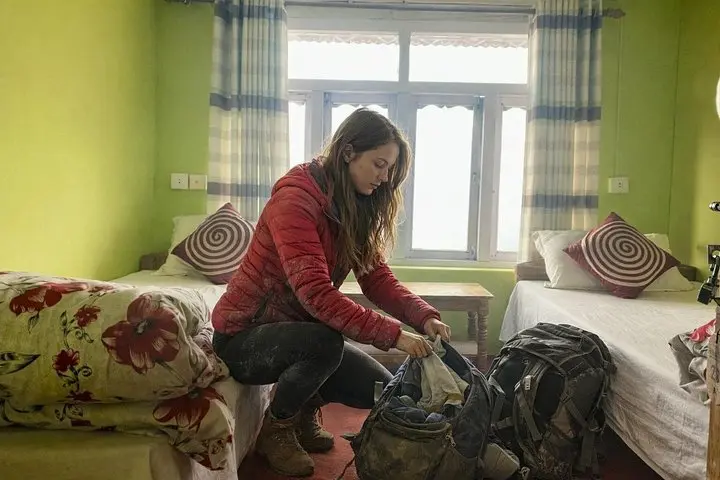
Teahouse accommodation in twin-share rooms with basic facilities; hot meals and charging are usually available for a small fee.
A licensed trekking guide is recommended for navigation, local knowledge, and safety especially if you’re unfamiliar with Himalayan trails.
Mountain Hike Nepal operates guided outdoor trips and adventures with an emphasis on safety, stewardship, and memorable experiences.

A thin, cold light slides over serrated summits as you climb the final switchbacks to Poon Hill. Ahead, ridgelines cut the sky and Annapurna I, Dhaulagiri and Machhapuchhre stage a slow, exacting performance; behind you, rhododendron trunks lean like old walkers. The first morning here is less a postcard than a lived moment—breath visible, pack shifting with each step, locals tending teahouses that smell of woodfire and chai.
A thin, cold light slides over serrated summits as you climb the final switchbacks to Poon Hill. Ahead, ridgelines cut the sky and Annapurna I, Dhaulagiri and Machhapuchhre stage a slow, exacting performance; behind you, rhododendron trunks lean like old walkers. The first morning here is less a postcard than a lived moment—breath visible, pack shifting with each step, locals tending teahouses that smell of woodfire and chai.
This short circuit traces centuries of mountain routes used by Gurung villages and seasonal traders, now protected within the Annapurna Conservation Area—Nepal’s first community-managed conservation project. Geologically, you move across ancient Himalayan folds: river-cut valleys, terraced farmland, and steep stone staircases hewn to steady the ascent.
Culturally, the trail threads through Ghandruk, a large Gurung village where houses display carved lintels and a local museum offers context on wartime service in the British Gurkha regiments. Wildlife is subtle—birdcalls and the occasional Himalayan pheasant—but the real story is the living trail culture: warm teahouses, dal bhat plates, and porters who read weather like farmers read wind.
Practical guidance: plan for 4–6 hours walking per day on mostly stone and packed-earth trails, with the hardest push to Poon Hill at ~3,210 m. Pack layered clothing for cold sunrises, carry water and a small first-aid kit, and allow extra time for steep stair sections. The route is suitable for travelers with reasonable fitness; hire a licensed guide for navigation and local insight. With modest elevation and big views, this circuit delivers classic Himalayan scenery in a compact, manageable package.