THE ADVENTURE COLLECTIVE® · Independent discovery and booking for outdoor travel

A short, high-reward trek from Pokhara to Ghorepani and Poon Hill delivers Himalayan sunrise views, rhododendron forests and teahouse stays. This 2-night, 3-day route is compact, non-technical and ideal for trekkers with moderate fitness.
A short, high-reward trek from Pokhara to Ghorepani and Poon Hill delivers Himalayan sunrise views, rhododendron forests and teahouse stays. This 2-night, 3-day route is compact, non-technical and ideal for trekkers with moderate fitness.
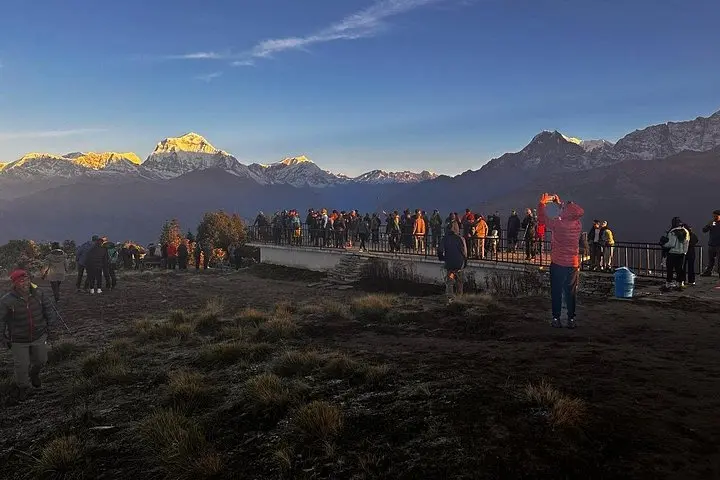
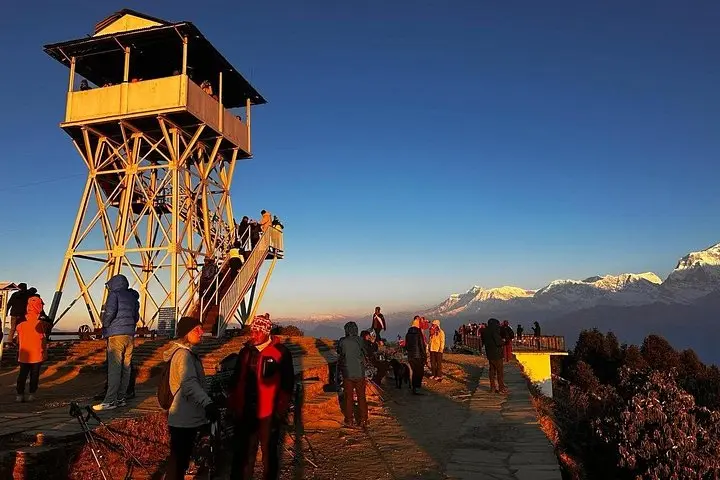
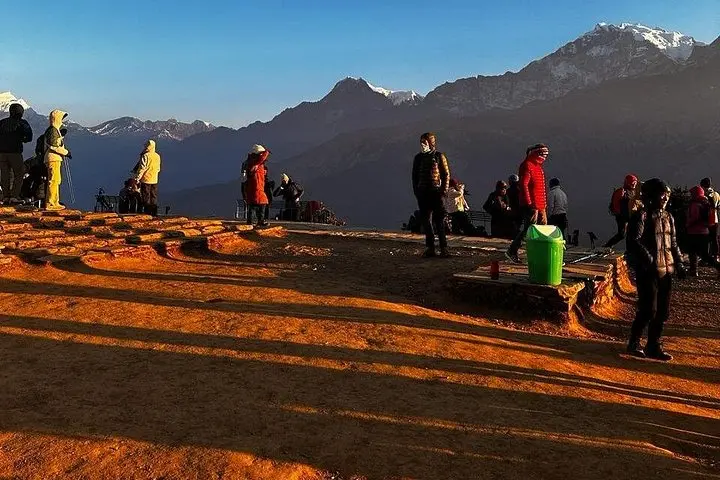
Before dawn the ridge at Poon Hill hums—headlamps cut through cold air as silhouettes of Annapurna and Dhaulagiri sharpen into gold. You climb stone steps through rhododendron that occasionally parts to reveal a jagged skyline; by the time the sun lifts, Himalayan giants unroll in tiers, ice-glazed and immediate.
Verified experiences and guided adventures in the surrounding area.
Operated by Peaceful Nepal · Ghorepani, Gandaki Province
Before dawn the ridge at Poon Hill hums—headlamps cut through cold air as silhouettes of Annapurna and Dhaulagiri sharpen into gold. You climb stone steps through rhododendron that occasionally parts to reveal a jagged skyline; by the time the sun lifts, Himalayan giants unroll in tiers, ice-glazed and immediate.
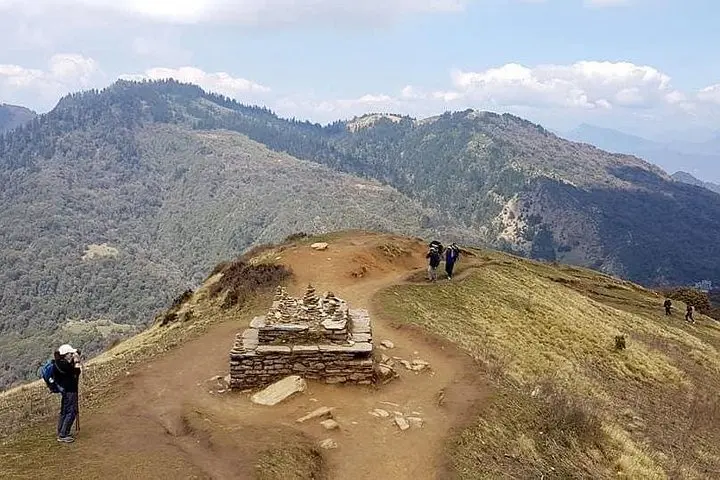
This compact trek threads local Gurung and Magar villages, teahouse hospitality and old mule tracks that once linked trade routes across the Annapurna foothills. Geologically the route skirts the southern face of the Annapurna massif—folded metamorphic rock and glacial valleys shaped the steep lanes you walk. Cultural life centers around small farming terraces and community teahouses where languages, recipes and trekking lore mix.
Practically: the itinerary starts in Pokhara, drives ~1–1.5 hours to Nayapul, then treks via Tikhedhunga/Ulleri to Ghorepani (Ghorepani: ~2,840 m). Poon Hill sits at ~3,210 m and is a 45–60 minute pre-dawn ascent from Ghorepani. Expect 4–6 hours of walking on days 1 and 2, and a 5–6 hour descent back to Nayapul on day 3 before the return to Pokhara. Trails alternate packed dirt, stone staircases and short steep pitches—no technical climbing, but steady cardio and good ankles matter.
Bring layered clothing for big temperature swings, cash for teahouse purchases, and a headlamp for the sunrise push. Permits (TIMS and ACA) are required and normally handled by operators. For most travelers this is an accessible, high-reward Himalayan experience—spectacular vistas, honest trails and close-up village life in a tight, three-day window.
Yes—TIMS (Trekkers' Information Management System) and the Annapurna Conservation Area Permit (ACAP) are required; tour operators commonly handle these.
Yes—no technical climbing is required, but you should be comfortable with several hours of walking on uneven terrain and steep stone steps.
Temperatures at 3,210 m can drop below freezing before dawn, even in spring and fall—bring an insulating layer and hat.
Yes, but winter brings snow and very cold nights; monsoon brings heavy rain and reduced visibility—expect muddy or slippery sections.
Peaceful Nepal operates guided outdoor trips and adventures with an emphasis on safety, stewardship, and memorable experiences.
Before dawn the ridge at Poon Hill hums—headlamps cut through cold air as silhouettes of Annapurna and Dhaulagiri sharpen into gold. You climb stone steps through rhododendron that occasionally parts to reveal a jagged skyline; by the time the sun lifts, Himalayan giants unroll in tiers, ice-glazed and immediate.
Before dawn the ridge at Poon Hill hums—headlamps cut through cold air as silhouettes of Annapurna and Dhaulagiri sharpen into gold. You climb stone steps through rhododendron that occasionally parts to reveal a jagged skyline; by the time the sun lifts, Himalayan giants unroll in tiers, ice-glazed and immediate.
This compact trek threads local Gurung and Magar villages, teahouse hospitality and old mule tracks that once linked trade routes across the Annapurna foothills. Geologically the route skirts the southern face of the Annapurna massif—folded metamorphic rock and glacial valleys shaped the steep lanes you walk. Cultural life centers around small farming terraces and community teahouses where languages, recipes and trekking lore mix.
Practically: the itinerary starts in Pokhara, drives ~1–1.5 hours to Nayapul, then treks via Tikhedhunga/Ulleri to Ghorepani (Ghorepani: ~2,840 m). Poon Hill sits at ~3,210 m and is a 45–60 minute pre-dawn ascent from Ghorepani. Expect 4–6 hours of walking on days 1 and 2, and a 5–6 hour descent back to Nayapul on day 3 before the return to Pokhara. Trails alternate packed dirt, stone staircases and short steep pitches—no technical climbing, but steady cardio and good ankles matter.
Bring layered clothing for big temperature swings, cash for teahouse purchases, and a headlamp for the sunrise push. Permits (TIMS and ACA) are required and normally handled by operators. For most travelers this is an accessible, high-reward Himalayan experience—spectacular vistas, honest trails and close-up village life in a tight, three-day window.