THE ADVENTURE COLLECTIVE® · Independent discovery and booking for outdoor travel

Witness sunrise over Annapurna and Dhaulagiri from Poon Hill (3,210 m) on a short, accessible 5-day trek from Pokhara. Expect rhododendron forests, teahouse stays, and panoramic Himalayan views with minimal altitude risk.
Witness sunrise over Annapurna and Dhaulagiri from Poon Hill (3,210 m) on a short, accessible 5-day trek from Pokhara. Expect rhododendron forests, teahouse stays, and panoramic Himalayan views with minimal altitude risk.
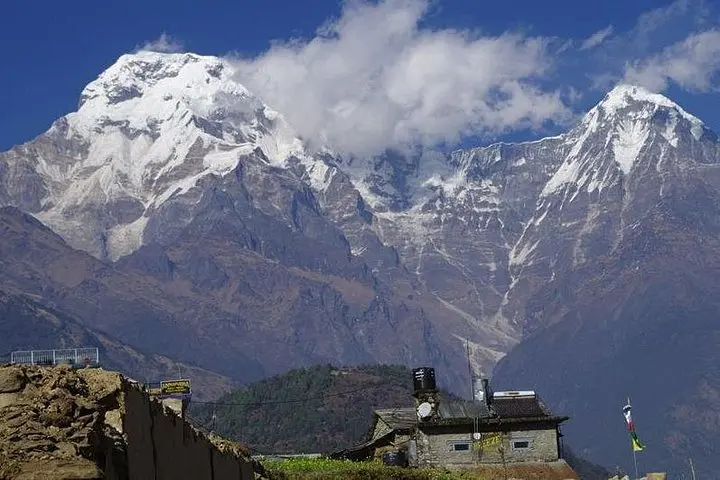
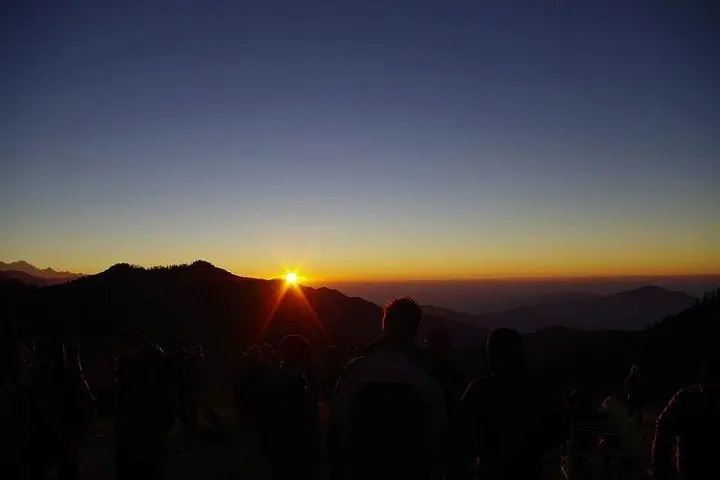
A thin blue light slices the Himalayan skyline as you crest the final switchback toward Poon Hill. Cold air bites at 3,210 m and silhouettes of Annapurna South, Dhaulagiri and Machhapuchhre sharpen into hard, white ridgelines. The crowd hushes; the sun unfolds and the ranges ignite — a concise, unforgettable Himalayan morning.
Verified experiences and guided adventures in the surrounding area.
Operated by Blissful Himalayas · Ghorepani, Gandaki Province
A thin blue light slices the Himalayan skyline as you crest the final switchback toward Poon Hill. Cold air bites at 3,210 m and silhouettes of Annapurna South, Dhaulagiri and Machhapuchhre sharpen into hard, white ridgelines. The crowd hushes; the sun unfolds and the ranges ignite — a concise, unforgettable Himalayan morning.
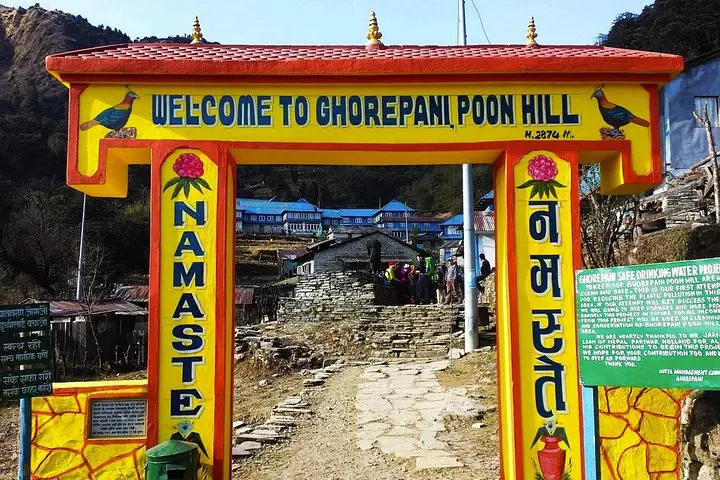
The route follows ancient mule tracks and village lanes once used for trade between mountain communities. Geologically, you’ll pass layered sedimentary foothills giving way to metamorphic formations as elevation climbs, while culturally the trail threads through Gurung and Magar settlements where tea houses and terraced fields mark daily life. Rhododendron forests dominate spring, and snow can linger in shoulder seasons, shaping trail conditions.
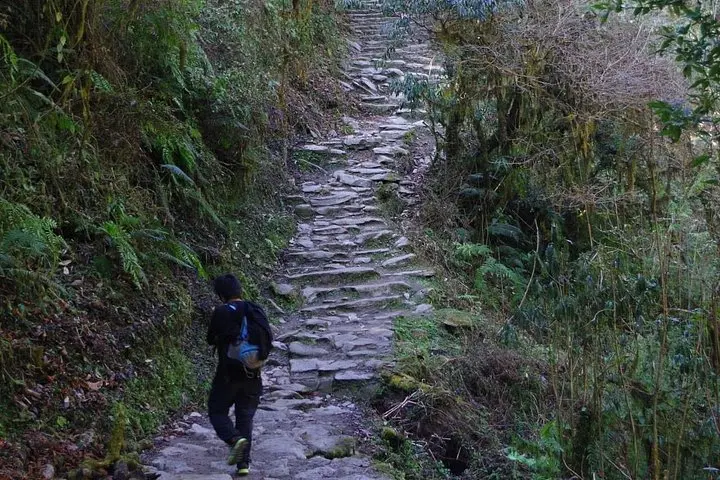
Expect steady climbs of 4–6 hours on most travel days, with the highest point at Poon Hill (3,210 m). Trails alternate between stone staircases and packed earth; the effort is moderate but sustained. Teahouses provide basic lodging and hot meals, and local guides handle permits and logistics, keeping altitude risk low compared with higher Annapurna routes.
Practical guidance: start the summit hike to Poon Hill before dawn (headlamp recommended), pace conservatively on stone steps, and carry cash for teahouses and tips. Dress in layers — mornings are frigid and daytime can warm quickly. Hydration, blister prevention, and respectful interaction with village life make the trek smoother and more rewarding. This short trek gives a compact Himalayan experience — panoramic peaks, cultural contact, and manageable alpine walking in five days.
Yes — TIMS and Annapurna Conservation Area permits are required; guides typically arrange these before departure.
Spring (March–May) and autumn (Sept–Nov) offer the clearest skies and stable weather; winter is cold with clearer views but potential snow on higher trails.
Risk is lower because the maximum is ~3,210 m, but acclimatize by taking steady paces, staying hydrated, and resting when needed.
Basic teahouses with shared rooms and simple Nepali meals (dal bhat, noodles, soups); bring snacks if you prefer specific brands or dietary needs.
Blissful Himalayas operates guided outdoor trips and adventures with an emphasis on safety, stewardship, and memorable experiences.
A thin blue light slices the Himalayan skyline as you crest the final switchback toward Poon Hill. Cold air bites at 3,210 m and silhouettes of Annapurna South, Dhaulagiri and Machhapuchhre sharpen into hard, white ridgelines. The crowd hushes; the sun unfolds and the ranges ignite — a concise, unforgettable Himalayan morning.
A thin blue light slices the Himalayan skyline as you crest the final switchback toward Poon Hill. Cold air bites at 3,210 m and silhouettes of Annapurna South, Dhaulagiri and Machhapuchhre sharpen into hard, white ridgelines. The crowd hushes; the sun unfolds and the ranges ignite — a concise, unforgettable Himalayan morning.
The route follows ancient mule tracks and village lanes once used for trade between mountain communities. Geologically, you’ll pass layered sedimentary foothills giving way to metamorphic formations as elevation climbs, while culturally the trail threads through Gurung and Magar settlements where tea houses and terraced fields mark daily life. Rhododendron forests dominate spring, and snow can linger in shoulder seasons, shaping trail conditions.
Expect steady climbs of 4–6 hours on most travel days, with the highest point at Poon Hill (3,210 m). Trails alternate between stone staircases and packed earth; the effort is moderate but sustained. Teahouses provide basic lodging and hot meals, and local guides handle permits and logistics, keeping altitude risk low compared with higher Annapurna routes.
Practical guidance: start the summit hike to Poon Hill before dawn (headlamp recommended), pace conservatively on stone steps, and carry cash for teahouses and tips. Dress in layers — mornings are frigid and daytime can warm quickly. Hydration, blister prevention, and respectful interaction with village life make the trek smoother and more rewarding. This short trek gives a compact Himalayan experience — panoramic peaks, cultural contact, and manageable alpine walking in five days.