THE ADVENTURE COLLECTIVE® · Independent discovery and booking for outdoor travel

Scale stone steps through rhododendron forests, greet sunrise over Annapurna from Poon Hill, and pass through Gurung villages on this six-day trek from Nayapul to Pokhara. Practical for first-time trekkers with moderate fitness, it blends mountain panoramas with cultural stops.
Scale stone steps through rhododendron forests, greet sunrise over Annapurna from Poon Hill, and pass through Gurung villages on this six-day trek from Nayapul to Pokhara. Practical for first-time trekkers with moderate fitness, it blends mountain panoramas with cultural stops.
Dawn is a slow rumor along the Annapurna foothills—lamplight in tea houses fades as trekkers push up the final switchbacks to Poon Hill. At 3,210 m the horizon fractures into a jagged roster of peaks; Annapurna and Dhaulagiri catch the first cold light and seem to step forward, daring you to measure their scale.
Verified experiences and guided adventures in the surrounding area.
Operated by Everest Glacier Trek Pvt Ltd · Pokhara, Gandaki Province
Dawn is a slow rumor along the Annapurna foothills—lamplight in tea houses fades as trekkers push up the final switchbacks to Poon Hill. At 3,210 m the horizon fractures into a jagged roster of peaks; Annapurna and Dhaulagiri catch the first cold light and seem to step forward, daring you to measure their scale.
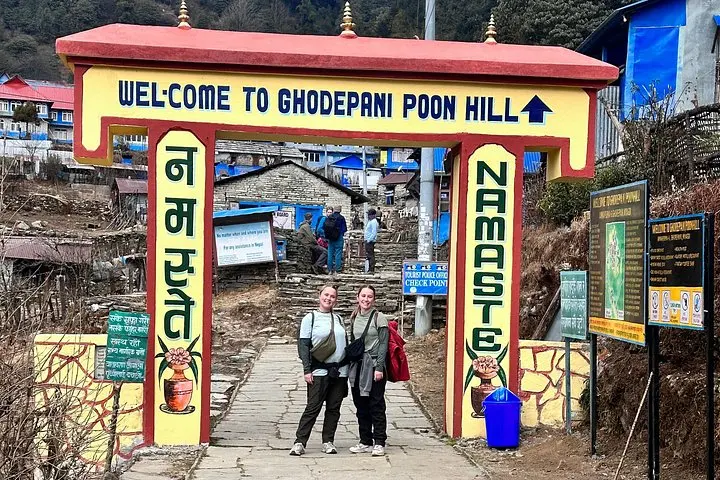
The route follows old trade paths where Gurung and Magar communities exchanged salt and grain for wool. Geologically, the trail runs along steep river-cut terraces and glacially carved valleys that expose metamorphic rock and loose scree higher up. Culturally, villages like Ulleri, Ghorepani and Ghandruk are living museums—stone-and-timber houses, prayer flags, and Gurung hospitality that center around tea houses and communal meals.
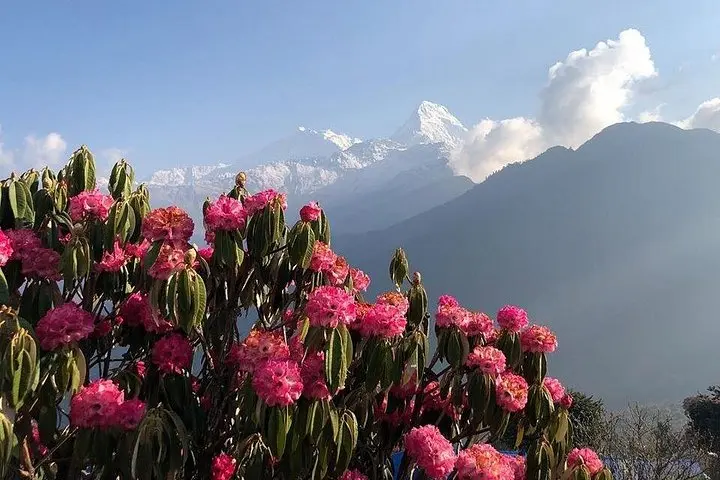
Expect forested climbs through rhododendron and oak, long stone stair sections that test calves, and sudden viewpoints where the forest drops away and the range fills the sky. Poon Hill’s sunrise hike is short but steep—an intense 45–90 minute push from Ghorepani—and rewards photographers and quiet contemplators alike.
Practical guidance: trek at a moderate pace, carry water and layers, and plan for early starts to avoid crowds at the viewpoint. Tea houses provide simple meals and hot drinks; carry cash for tips and extra snacks. Altitude gain is gradual but respect symptoms—acclimatize, sleep low when possible, and keep daily hikes steady. Footwear with good grip and trekking poles make steep descents safer. Leave no trace: pack out non-biodegradable waste and use designated toilet facilities to protect fragile alpine slopes.
Yes—trekkers require the TIMS card and Annapurna Conservation Area Permit (ACAP), which guides or local agencies usually arrange.
The climb from Ghorepani to Poon Hill takes 45–90 minutes and is steep but non-technical; expect lots of stone steps and a short burst of elevation gain.
Simple tea houses with twin rooms and shared bathrooms are standard; hot showers and charging ports may cost extra.
October–November and March–May offer the clearest views and pleasant weather; monsoon season (June–August) brings heavy rain and limited visibility.
Everest Glacier Trek Pvt Ltd operates guided outdoor trips and adventures with an emphasis on safety, stewardship, and memorable experiences.
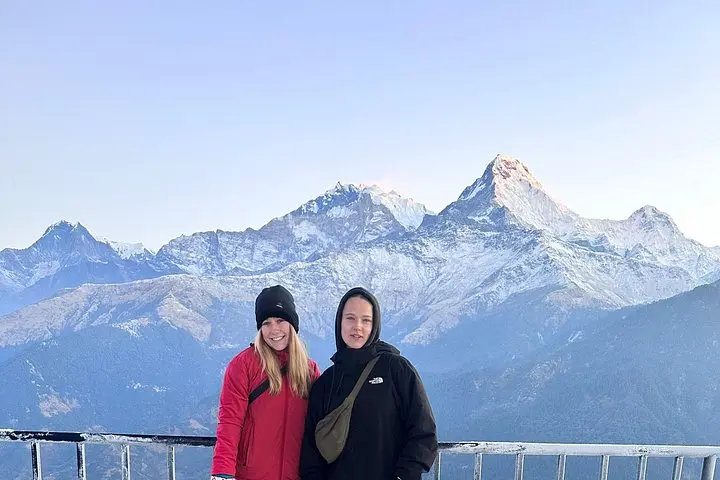
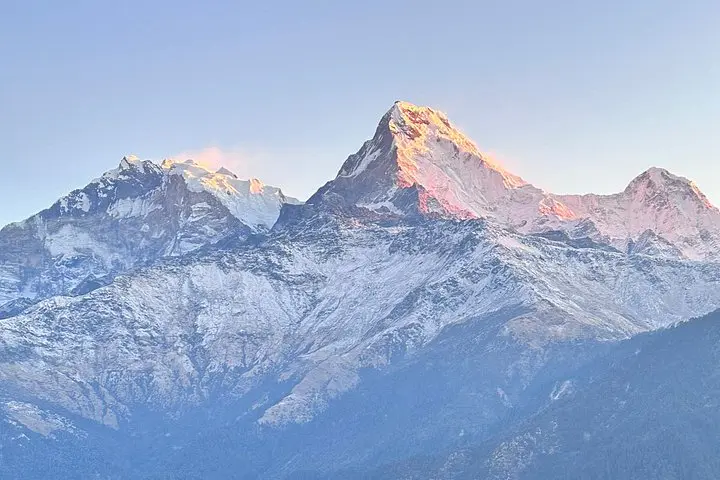
Dawn is a slow rumor along the Annapurna foothills—lamplight in tea houses fades as trekkers push up the final switchbacks to Poon Hill. At 3,210 m the horizon fractures into a jagged roster of peaks; Annapurna and Dhaulagiri catch the first cold light and seem to step forward, daring you to measure their scale.
Dawn is a slow rumor along the Annapurna foothills—lamplight in tea houses fades as trekkers push up the final switchbacks to Poon Hill. At 3,210 m the horizon fractures into a jagged roster of peaks; Annapurna and Dhaulagiri catch the first cold light and seem to step forward, daring you to measure their scale.
The route follows old trade paths where Gurung and Magar communities exchanged salt and grain for wool. Geologically, the trail runs along steep river-cut terraces and glacially carved valleys that expose metamorphic rock and loose scree higher up. Culturally, villages like Ulleri, Ghorepani and Ghandruk are living museums—stone-and-timber houses, prayer flags, and Gurung hospitality that center around tea houses and communal meals.
Expect forested climbs through rhododendron and oak, long stone stair sections that test calves, and sudden viewpoints where the forest drops away and the range fills the sky. Poon Hill’s sunrise hike is short but steep—an intense 45–90 minute push from Ghorepani—and rewards photographers and quiet contemplators alike.
Practical guidance: trek at a moderate pace, carry water and layers, and plan for early starts to avoid crowds at the viewpoint. Tea houses provide simple meals and hot drinks; carry cash for tips and extra snacks. Altitude gain is gradual but respect symptoms—acclimatize, sleep low when possible, and keep daily hikes steady. Footwear with good grip and trekking poles make steep descents safer. Leave no trace: pack out non-biodegradable waste and use designated toilet facilities to protect fragile alpine slopes.