THE ADVENTURE COLLECTIVE® · Independent discovery and booking for outdoor travel

A compact 4-day trek from Pokhara to Poon Hill delivers a Himalayan sunrise from 3,210 m, rhododendron forests, stone staircases and Gurung village culture. Ideal for moderately fit hikers seeking big views without extreme altitude.
A compact 4-day trek from Pokhara to Poon Hill delivers a Himalayan sunrise from 3,210 m, rhododendron forests, stone staircases and Gurung village culture. Ideal for moderately fit hikers seeking big views without extreme altitude.
You wake before dawn and shoulder a small pack, the path already full of headlamps threading upward through a forest that smells like damp earth and crushed rhododendron. The pre-dawn climb to Poon Hill (3,210 m) is a steady, breath-steadying procession; when the sky breaks, the Annapurna range—Dhaulagiri, Hiunchuli, Machhapuchhre—catches light like a row of polished knives.
Verified experiences and guided adventures in the surrounding area.
Operated by Adventure Bound · Ghorepani, Gandaki Province
You wake before dawn and shoulder a small pack, the path already full of headlamps threading upward through a forest that smells like damp earth and crushed rhododendron. The pre-dawn climb to Poon Hill (3,210 m) is a steady, breath-steadying procession; when the sky breaks, the Annapurna range—Dhaulagiri, Hiunchuli, Machhapuchhre—catches light like a row of polished knives.
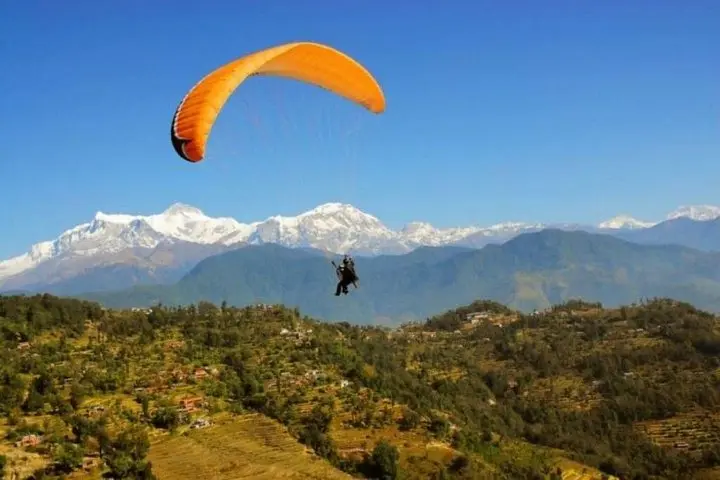
This short, four-day circuit traces terraced hillsides and traditional Gurung villages. Geologically the trail skirts the southern flanks of the Greater Himalaya where glacially carved valleys open to sweeping ridgelines; culturally the route is marked by stone steps, mani walls and homestay teahouses that reflect centuries of mountain farming and Gurung hospitality.
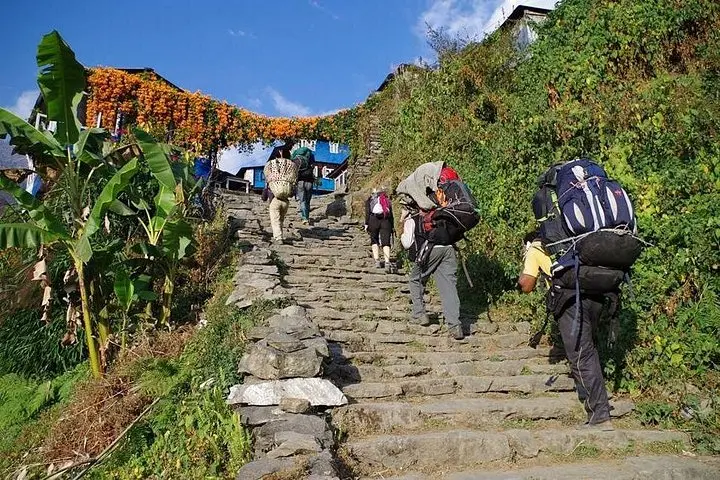
Expect carved stone staircases, stretches of rhododendron and oak woodland, and steady elevation gain—Birethanti (1,263 m) to Ghorepani (2,880 m) in two days, then the sharp 30–40 minute push to the summit at sunrise. Wildlife is subtle: pheasants call from the understory, and langur or barking deer may watch from the trees. The trek uses established teahouse accommodation and requires ACAP/TIMS permits.
Practical edge: start very early for Poon Hill to avoid crowds and cold, carry layered clothing for rapid temperature swings, and pace the stair climbs—there are long stone stair sections that demand knee care. Hydrate and snack often; the highest point is moderate altitude, so acclimate by moving slow and sleeping low when possible. The descent to Ghandruk and the road link back to Pokhara make this an accessible, high-value Himalayan introduction for moderately fit hikers.
This is considered a lower-altitude, beginner-friendly trek but requires good cardiovascular fitness for sustained climbs and long days on stone steps.
Yes—ACAP and TIMS permits are required for the Annapurna region and are typically organized by your trekking operator.
Teahouse lodges (shared rooms) along the route provide basic beds and meals; expect simple but warm hospitality and communal dining.
Poon Hill reaches about 3,210 m—mild altitude effects are possible; pace yourself, hydrate, and report symptoms to your guide immediately.
Adventure Bound operates guided outdoor trips and adventures with an emphasis on safety, stewardship, and memorable experiences.
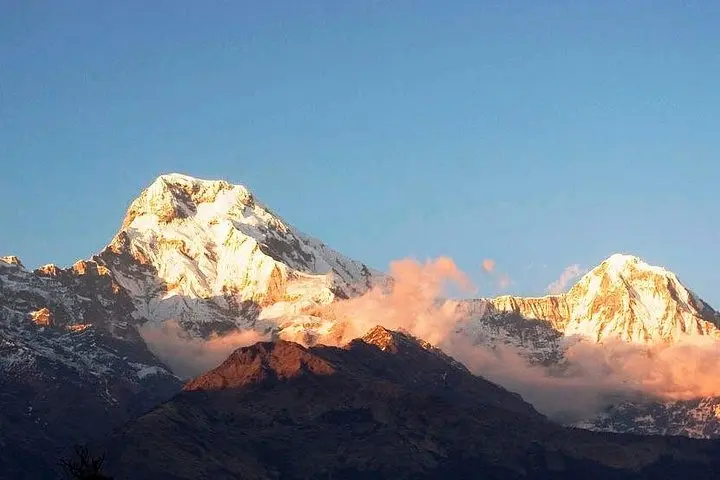
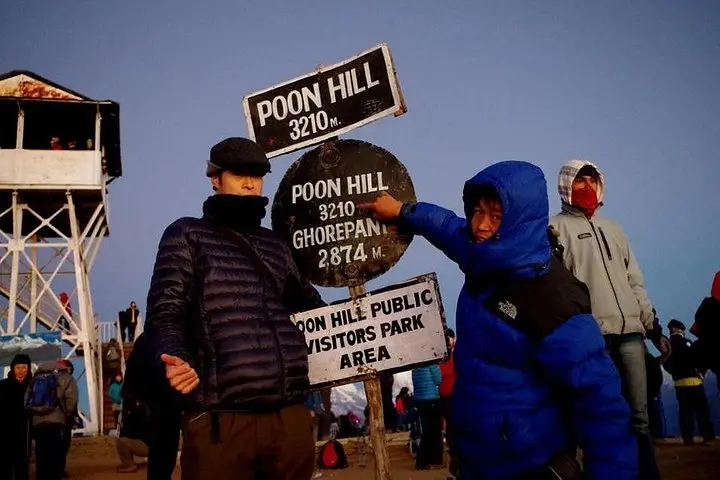
You wake before dawn and shoulder a small pack, the path already full of headlamps threading upward through a forest that smells like damp earth and crushed rhododendron. The pre-dawn climb to Poon Hill (3,210 m) is a steady, breath-steadying procession; when the sky breaks, the Annapurna range—Dhaulagiri, Hiunchuli, Machhapuchhre—catches light like a row of polished knives.
You wake before dawn and shoulder a small pack, the path already full of headlamps threading upward through a forest that smells like damp earth and crushed rhododendron. The pre-dawn climb to Poon Hill (3,210 m) is a steady, breath-steadying procession; when the sky breaks, the Annapurna range—Dhaulagiri, Hiunchuli, Machhapuchhre—catches light like a row of polished knives.
This short, four-day circuit traces terraced hillsides and traditional Gurung villages. Geologically the trail skirts the southern flanks of the Greater Himalaya where glacially carved valleys open to sweeping ridgelines; culturally the route is marked by stone steps, mani walls and homestay teahouses that reflect centuries of mountain farming and Gurung hospitality.
Expect carved stone staircases, stretches of rhododendron and oak woodland, and steady elevation gain—Birethanti (1,263 m) to Ghorepani (2,880 m) in two days, then the sharp 30–40 minute push to the summit at sunrise. Wildlife is subtle: pheasants call from the understory, and langur or barking deer may watch from the trees. The trek uses established teahouse accommodation and requires ACAP/TIMS permits.
Practical edge: start very early for Poon Hill to avoid crowds and cold, carry layered clothing for rapid temperature swings, and pace the stair climbs—there are long stone stair sections that demand knee care. Hydrate and snack often; the highest point is moderate altitude, so acclimate by moving slow and sleeping low when possible. The descent to Ghandruk and the road link back to Pokhara make this an accessible, high-value Himalayan introduction for moderately fit hikers.