THE ADVENTURE COLLECTIVE® · Independent discovery and booking for outdoor travel

A classic short trek in the Annapurna region, Ghorepani Poon Hill delivers an unforgettable sunrise over Annapurna and Dhaulagiri. This 3–4 day route threads rhododendron forests, Gurung villages, and steep stone steps to a panoramic viewpoint at 3,210 m.
A classic short trek in the Annapurna region, Ghorepani Poon Hill delivers an unforgettable sunrise over Annapurna and Dhaulagiri. This 3–4 day route threads rhododendron forests, Gurung villages, and steep stone steps to a panoramic viewpoint at 3,210 m.
Dawn breaks cold and sharp above a ridge of low stone walls and prayer flags — Poon Hill's horizon fills with color while silhouettes of Annapurna and Dhaulagiri sharpen into place. Trekkers arrive in the dark, feet padding over packed-earth trails, and wait as a sky that seems patient rewards them with a quick, blazing sunrise.
Verified experiences and guided adventures in the surrounding area.
Operated by Asian Heritage Treks and Travels · Ghorepani, Gandaki Province
Dawn breaks cold and sharp above a ridge of low stone walls and prayer flags — Poon Hill's horizon fills with color while silhouettes of Annapurna and Dhaulagiri sharpen into place. Trekkers arrive in the dark, feet padding over packed-earth trails, and wait as a sky that seems patient rewards them with a quick, blazing sunrise.
The route follows centuries-old mule tracks that connected Gurung and Magar settlements. Geologically, the trail skirts the lesser Himalaya: terraced valleys, glimpses of glacially carved peaks, and beds of red rhododendron that dominate spring slopes. Villages like Ulleri and Ghorepani preserve hill agriculture and Gurung hospitality—simple tea-houses, hand-stitched prayer flags, and stone stairways worn by generations of pilgrims and traders.
Expect stair-steep ascents (Ulleri's long stone steps), narrow forested sections rich with rhododendron and oak, and an eventual climb to 3,210 m at Poon Hill. The daily legs average 4–7 hours with cumulative elevation gain of roughly 2,000–2,200 m from Nayapul; trails are uneven, sometimes muddy after rain, and cross short suspension bridges.
Practically: sleep in basic lodges, carry cash for tea-house purchases and permits (ACAP, TIMS), and plan for early starts to catch the sunrise. Hydrate, layer for rapid temperature change, and allow time to move deliberately on steep descents. A licensed local guide improves route knowledge and cultural insight; altitude is moderate but respect it — watch symptoms and pace conservatively. The Ghorepani Poon Hill trek is compact, sensory, and manageable for trekkers with steady fitness who want a concentrated Himalayan sunrise experience.
Typical itineraries run 3–4 days; Poon Hill summit reaches 3,210 m, with cumulative gain from Nayapul around 2,000–2,200 m.
Yes—ACAP (Annapurna Conservation Area Project) and TIMS permits are required and are usually arranged before or at the start of the trek.
Accommodations are basic mountain lodges with simple beds and shared bathrooms; expect hot meals in the evenings and limited electricity at night.
Not strictly required for the main trail, but hiring a licensed local guide is recommended for safety, cultural context, and navigation.
Asian Heritage Treks and Travels operates guided outdoor trips and adventures with an emphasis on safety, stewardship, and memorable experiences.
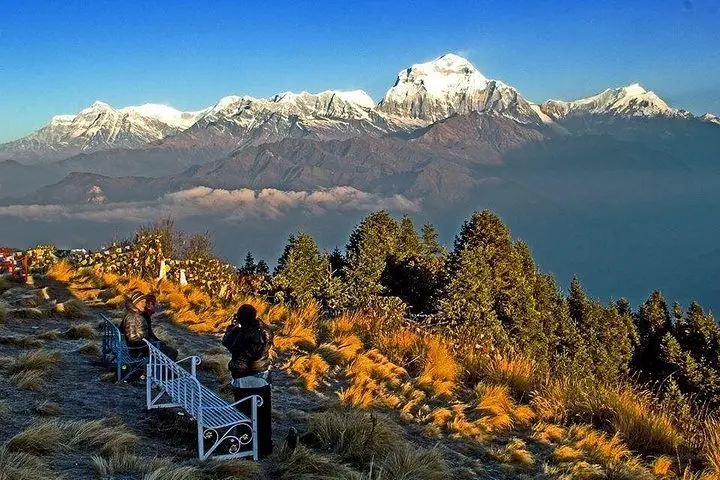
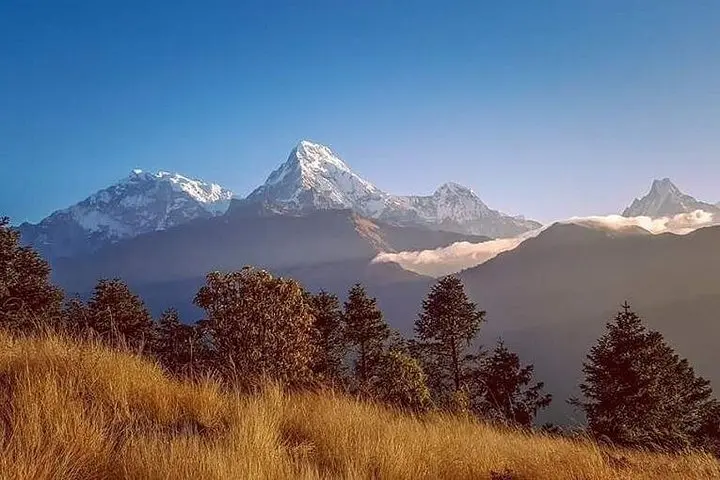
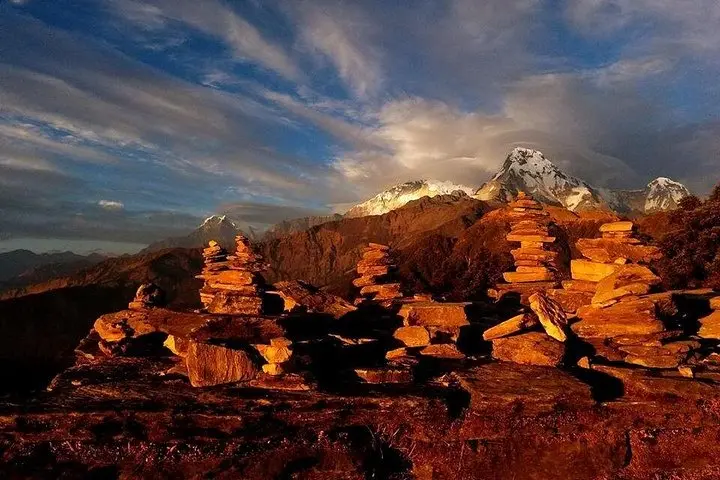
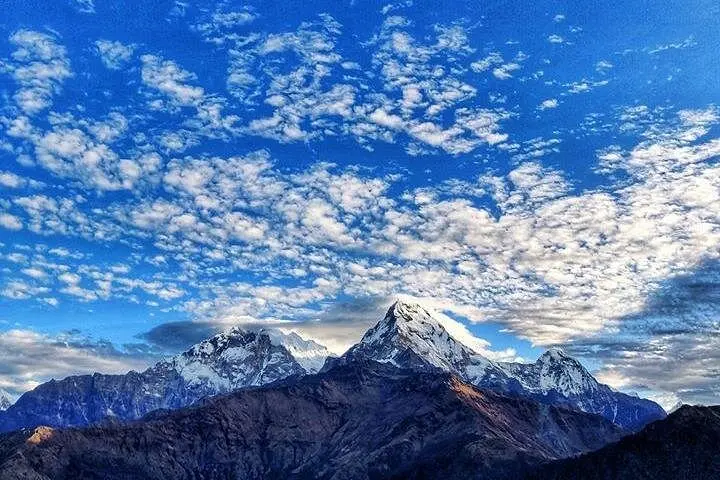
Dawn breaks cold and sharp above a ridge of low stone walls and prayer flags — Poon Hill's horizon fills with color while silhouettes of Annapurna and Dhaulagiri sharpen into place. Trekkers arrive in the dark, feet padding over packed-earth trails, and wait as a sky that seems patient rewards them with a quick, blazing sunrise.
Dawn breaks cold and sharp above a ridge of low stone walls and prayer flags — Poon Hill's horizon fills with color while silhouettes of Annapurna and Dhaulagiri sharpen into place. Trekkers arrive in the dark, feet padding over packed-earth trails, and wait as a sky that seems patient rewards them with a quick, blazing sunrise.
The route follows centuries-old mule tracks that connected Gurung and Magar settlements. Geologically, the trail skirts the lesser Himalaya: terraced valleys, glimpses of glacially carved peaks, and beds of red rhododendron that dominate spring slopes. Villages like Ulleri and Ghorepani preserve hill agriculture and Gurung hospitality—simple tea-houses, hand-stitched prayer flags, and stone stairways worn by generations of pilgrims and traders.
Expect stair-steep ascents (Ulleri's long stone steps), narrow forested sections rich with rhododendron and oak, and an eventual climb to 3,210 m at Poon Hill. The daily legs average 4–7 hours with cumulative elevation gain of roughly 2,000–2,200 m from Nayapul; trails are uneven, sometimes muddy after rain, and cross short suspension bridges.
Practically: sleep in basic lodges, carry cash for tea-house purchases and permits (ACAP, TIMS), and plan for early starts to catch the sunrise. Hydrate, layer for rapid temperature change, and allow time to move deliberately on steep descents. A licensed local guide improves route knowledge and cultural insight; altitude is moderate but respect it — watch symptoms and pace conservatively. The Ghorepani Poon Hill trek is compact, sensory, and manageable for trekkers with steady fitness who want a concentrated Himalayan sunrise experience.