THE ADVENTURE COLLECTIVE® · Independent discovery and booking for outdoor travel

A short, accessible trek through rhododendron forests to a celebrated Himalayan sunrise viewpoint. Ideal for beginners, the Ghorepani Poon Hill Trek pairs dramatic mountain panoramas with village culture and tea-house stays.
A short, accessible trek through rhododendron forests to a celebrated Himalayan sunrise viewpoint. Ideal for beginners, the Ghorepani Poon Hill Trek pairs dramatic mountain panoramas with village culture and tea-house stays.
Morning light comes first to Poon Hill—slices of gold that pick out serrated ridgelines while the trail below still holds night’s chill. Hikers climb a steep stone stair that breathes history with every step, then spill onto a broad viewpoint where Annapurna and Dhaulagiri span the horizon like two old rivals.
Verified experiences and guided adventures in the surrounding area.
Operated by Mountain Rock Treks And Expedition Pvt. Ltd. · Ghorepani, Gandaki Province
Morning light comes first to Poon Hill—slices of gold that pick out serrated ridgelines while the trail below still holds night’s chill. Hikers climb a steep stone stair that breathes history with every step, then spill onto a broad viewpoint where Annapurna and Dhaulagiri span the horizon like two old rivals.
The route threads through mid-elevation geology of weathered sandstone and glacial moraine; rhododendron and oak forests carpet the slopes and erupt in crimson in spring. Ghorepani has long been a stop for traders and hill communities; nearby Ghandruk preserves Gurung culture, village layouts and small museums that explain the Gurkha recruitment legacy and agricultural terraces that shaped local life.
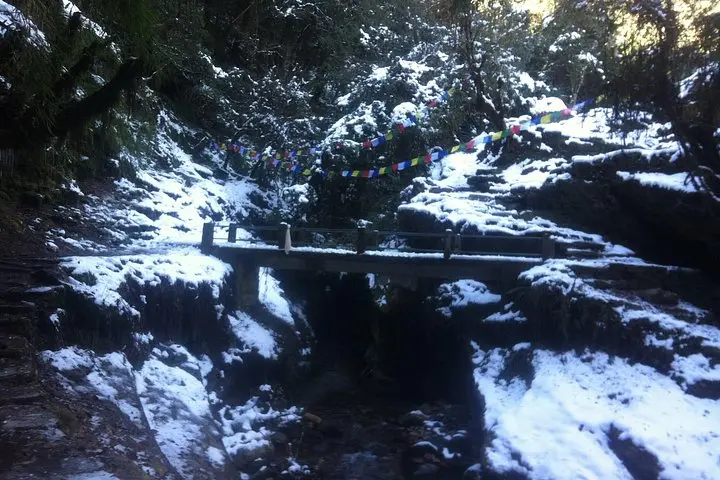
Expect a mix of narrow stone steps, packed earth paths and occasional exposed switchbacks. Tea houses along the way offer basic, communal meals and a chance to trade stories with other trekkers. Rivers carved by seasonal glaciers run loud in spring and early summer, daring you to pause at every crossing.
Practically: the full itinerary typically runs eight to nine days from Kathmandu with two nights around Pokhara and several nights in tea houses. Early starts—especially the 45–90 minute pre-dawn climb to Poon Hill—are essential for sunrise viewing. Altitude gains are modest relative to high Himalayan routes but include long stair sections (Ulleri to Ghorepani ~3,300 steps). Hydrate, layer for sun-to-sleet shifts, and carry cash for tea-house purchases and park permits. For first-time trekkers, a guide and porter reduce strain and streamline permits and logistics, making the route accessible without technical gear.
Fall (September–November) and spring (March–April) offer the most reliable mountain views; spring adds rhododendron blooms while fall has more stable skies.
The trek is moderate with a highest viewpoint at Poon Hill (~3,210 m). Altitude-related issues are less common than on higher routes, but take time to acclimatize and monitor symptoms.
Tea houses are basic—shared bathrooms, simple hot meals and modest bedding. They’re comfortable for typical trekking standards but bring a warm sleeping layer.
A guide is highly recommended for logistics, safety and navigation. You must pay Annapurna Conservation Area Project (ACAP) fees and a TIMS permit—guides or agencies usually arrange these.
Mountain Rock Treks And Expedition Pvt. Ltd. operates guided outdoor trips and adventures with an emphasis on safety, stewardship, and memorable experiences.
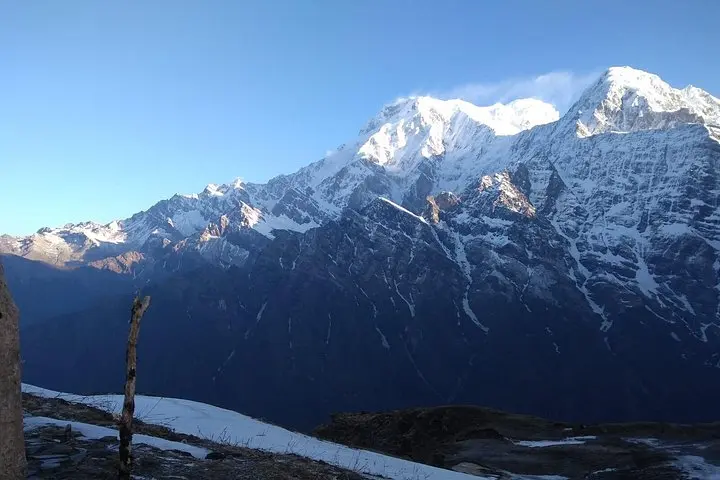
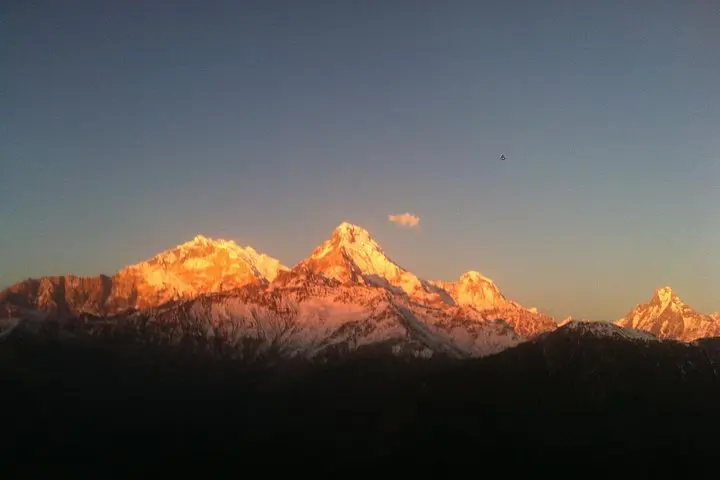
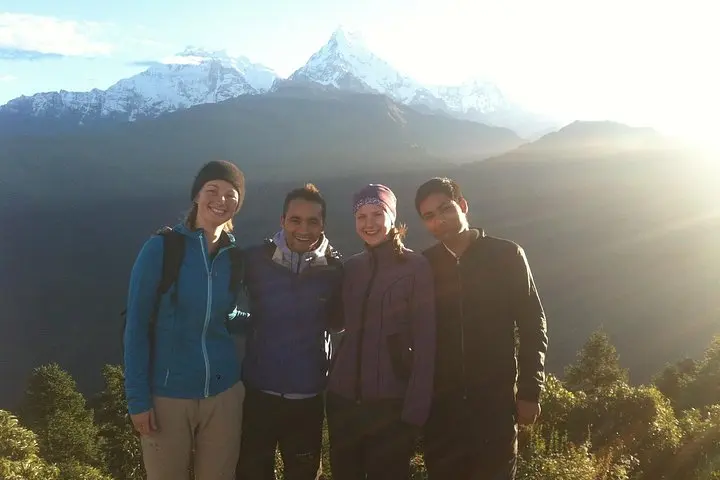
Morning light comes first to Poon Hill—slices of gold that pick out serrated ridgelines while the trail below still holds night’s chill. Hikers climb a steep stone stair that breathes history with every step, then spill onto a broad viewpoint where Annapurna and Dhaulagiri span the horizon like two old rivals.
Morning light comes first to Poon Hill—slices of gold that pick out serrated ridgelines while the trail below still holds night’s chill. Hikers climb a steep stone stair that breathes history with every step, then spill onto a broad viewpoint where Annapurna and Dhaulagiri span the horizon like two old rivals.
The route threads through mid-elevation geology of weathered sandstone and glacial moraine; rhododendron and oak forests carpet the slopes and erupt in crimson in spring. Ghorepani has long been a stop for traders and hill communities; nearby Ghandruk preserves Gurung culture, village layouts and small museums that explain the Gurkha recruitment legacy and agricultural terraces that shaped local life.
Expect a mix of narrow stone steps, packed earth paths and occasional exposed switchbacks. Tea houses along the way offer basic, communal meals and a chance to trade stories with other trekkers. Rivers carved by seasonal glaciers run loud in spring and early summer, daring you to pause at every crossing.
Practically: the full itinerary typically runs eight to nine days from Kathmandu with two nights around Pokhara and several nights in tea houses. Early starts—especially the 45–90 minute pre-dawn climb to Poon Hill—are essential for sunrise viewing. Altitude gains are modest relative to high Himalayan routes but include long stair sections (Ulleri to Ghorepani ~3,300 steps). Hydrate, layer for sun-to-sleet shifts, and carry cash for tea-house purchases and park permits. For first-time trekkers, a guide and porter reduce strain and streamline permits and logistics, making the route accessible without technical gear.