THE ADVENTURE COLLECTIVE® · Independent discovery and booking for outdoor travel

Explore an abandoned phosphate mining town outside Hurghada by 4x4 and ATV, finish with a Bedouin dinner under desert stars. This guided safari combines industrial history, desert geology, and practical adventure in a half-day to full-day outing.
Explore an abandoned phosphate mining town outside Hurghada by 4x4 and ATV, finish with a Bedouin dinner under desert stars. This guided safari combines industrial history, desert geology, and practical adventure in a half-day to full-day outing.
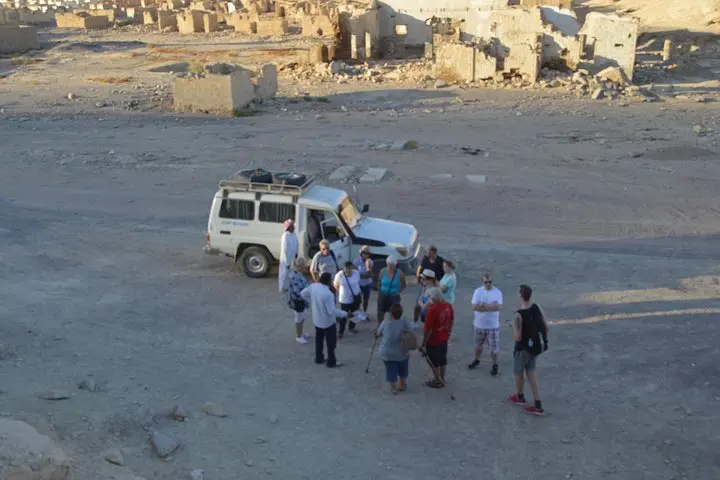
You slide out of a 4x4 into a wide, sun-bleached court of empty houses; wind moves through broken windows like an attentive guide. The desert around Hurghada is not silent — it counts the footsteps of miners, engineers and families who built a short-lived town where phosphate once paid the bills. The tour places you inside that story: crumbling villas, a police office, lamp systems built for mining operations, and the villa of an English engineer, all with the Red Sea’s heat pressing on the horizon.
Verified experiences and guided adventures in the surrounding area.
Operated by Ashraf El Masry · Hurghada, Red Sea Governorate
You slide out of a 4x4 into a wide, sun-bleached court of empty houses; wind moves through broken windows like an attentive guide. The desert around Hurghada is not silent — it counts the footsteps of miners, engineers and families who built a short-lived town where phosphate once paid the bills. The tour places you inside that story: crumbling villas, a police office, lamp systems built for mining operations, and the villa of an English engineer, all with the Red Sea’s heat pressing on the horizon.
The site grew with mid-20th-century phosphate mining, when deposits in Egypt’s Eastern Desert supported entire company towns. Geology here is raw — layered sedimentary phosphate beds interrupted by wind-scoured sandstone — and the physical remains map the rise and fall of an extractive economy. Cultural notes arrive with the guide: stories of 16,000 residents, miners’ routines, and the Bedouin presence that predates industrial activity.
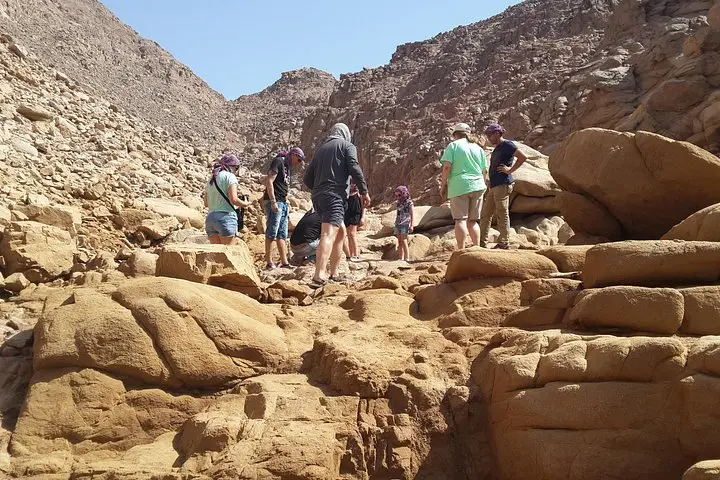
Expect a mixed itinerary: a 4x4 transfer from Hurghada, a guided walk through the abandoned settlement, a short ATV loop (approx. 30 minutes), and a shared Bedouin dinner at a desert camp. Practicalities matter: bring sun protection, closed-toe shoes for rubble and ATV use, and water for long stretches between shade. The terrain is flat but uneven; moderate fitness and steady footing make the day comfortable. Photographers will find stark composition in rusted signs and phosphate lamps; travelers seeking context will appreciate a guide’s account of mining and community life.
Plan around midday heat, follow local safety briefings for ATVs, and leave structures intact — the site’s value grows when visitors tread lightly.
The outing runs about 5–7 hours and includes 4x4 transfers from Hurghada-area hotels, a guided visit to the ghost town, a 30-minute ATV ride, entrance fees, and a Bedouin dinner.
Children are allowed, but the tour involves uneven ground and ATV activity; not recommended for travelers with spinal, heart, or pregnancy-related restrictions.
Bring water, sun protection, closed-toe shoes, a camera, and any required ID or booking information for pickup.
No—ATV segments are short and guides provide a safety briefing; basic balance and comfort on light off-road vehicles are sufficient.
Ashraf El Masry operates guided outdoor trips and adventures with an emphasis on safety, stewardship, and memorable experiences.
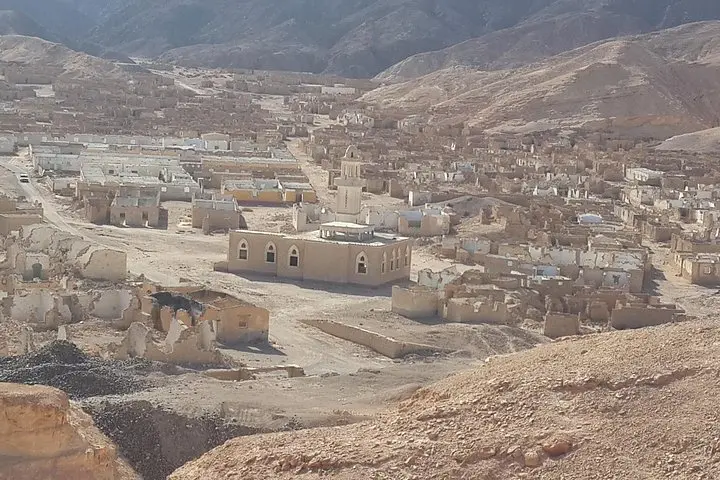
You slide out of a 4x4 into a wide, sun-bleached court of empty houses; wind moves through broken windows like an attentive guide. The desert around Hurghada is not silent — it counts the footsteps of miners, engineers and families who built a short-lived town where phosphate once paid the bills. The tour places you inside that story: crumbling villas, a police office, lamp systems built for mining operations, and the villa of an English engineer, all with the Red Sea’s heat pressing on the horizon.
You slide out of a 4x4 into a wide, sun-bleached court of empty houses; wind moves through broken windows like an attentive guide. The desert around Hurghada is not silent — it counts the footsteps of miners, engineers and families who built a short-lived town where phosphate once paid the bills. The tour places you inside that story: crumbling villas, a police office, lamp systems built for mining operations, and the villa of an English engineer, all with the Red Sea’s heat pressing on the horizon.
The site grew with mid-20th-century phosphate mining, when deposits in Egypt’s Eastern Desert supported entire company towns. Geology here is raw — layered sedimentary phosphate beds interrupted by wind-scoured sandstone — and the physical remains map the rise and fall of an extractive economy. Cultural notes arrive with the guide: stories of 16,000 residents, miners’ routines, and the Bedouin presence that predates industrial activity.
Expect a mixed itinerary: a 4x4 transfer from Hurghada, a guided walk through the abandoned settlement, a short ATV loop (approx. 30 minutes), and a shared Bedouin dinner at a desert camp. Practicalities matter: bring sun protection, closed-toe shoes for rubble and ATV use, and water for long stretches between shade. The terrain is flat but uneven; moderate fitness and steady footing make the day comfortable. Photographers will find stark composition in rusted signs and phosphate lamps; travelers seeking context will appreciate a guide’s account of mining and community life.
Plan around midday heat, follow local safety briefings for ATVs, and leave structures intact — the site’s value grows when visitors tread lightly.