THE ADVENTURE COLLECTIVE® · Independent discovery and booking for outdoor travel

Step into Savannah after dark and hear the city’s sharp-edged stories—rum-runners, wartime hospitals, and long-remembered residents—on a 90-minute walking ghost tour. Learn practical tips for attending and what to expect on uneven historic streets.
Step into Savannah after dark and hear the city’s sharp-edged stories—rum-runners, wartime hospitals, and long-remembered residents—on a 90-minute walking ghost tour. Learn practical tips for attending and what to expect on uneven historic streets.
Fog edges in from the Savannah River as gaslight-style lamps throw long pools of orange over brick sidewalks. The group moves square to square under live oaks heavy with Spanish moss that seems to whisper as it brushes faces; a local guide pauses, points to a carved lintel, and the city’s quieter stories begin to unspool.
Verified experiences and guided adventures in the surrounding area.
Operated by Pretty Spooky Tours Savannah · Savannah, Georgia
Fog edges in from the Savannah River as gaslight-style lamps throw long pools of orange over brick sidewalks. The group moves square to square under live oaks heavy with Spanish moss that seems to whisper as it brushes faces; a local guide pauses, points to a carved lintel, and the city’s quieter stories begin to unspool.
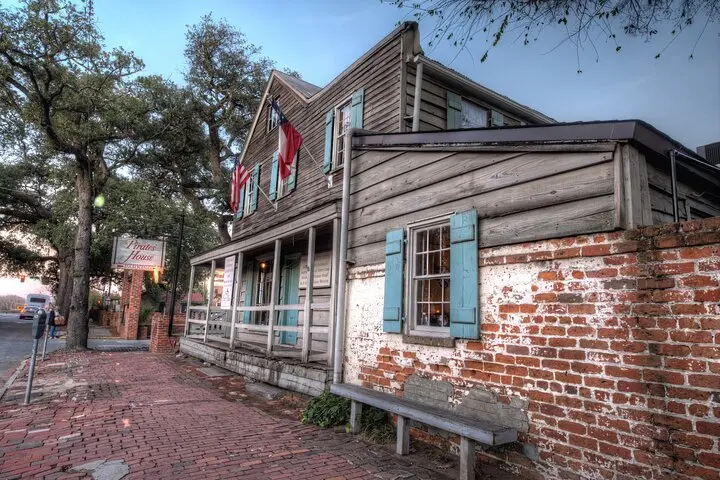
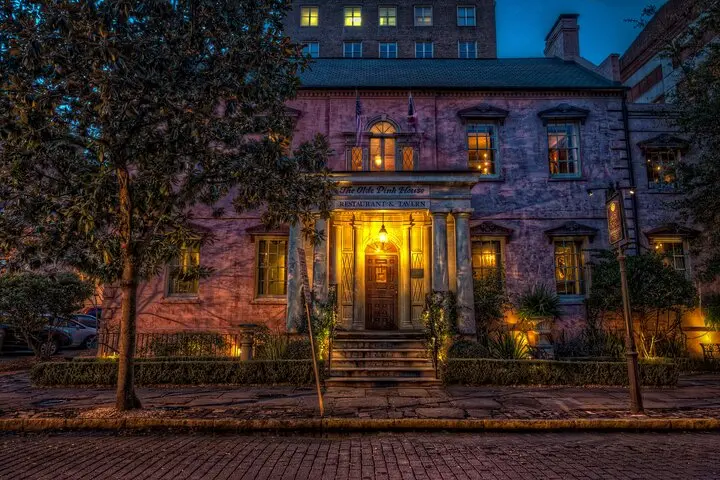
Savannah began in 1733 under James Oglethorpe and grew on the coastal plain where tidal rivers and marshes shaped trade, disease, and wartime strategy. Those forces left layers of architecture—merchant houses, theaters, and former hospitals—that the tour uses as anchors for tales of rum-runners, lost lovers, and persistent apparitions. The Olde Pink House, Lucas Theatre frontage, and several burial grounds are explained in turn, each stop linking urban fabric to human drama and the city’s role in Colonial, antebellum, and Civil War history.
Practical notes are clear: this is a 90-minute, easy-paced walking tour over paved and occasionally uneven sidewalks; groups are capped and tours run at night when shadows magnify stories. Wear sturdy shoes, bring water, and plan for high humidity in summer. The operator asks guests to check in 15 minutes before the start at the gate to the left of the parking-lot entrance; the tour finishes near the Willikin’s House close to the start point. Accessibility is good but expect historic streets and some cobbles. Tours may be canceled for severe weather and are sold final.
For visitors wanting atmosphere and local context, the walk blends history, architecture, and the theatrical—an approachable way to feel Savannah’s past underfoot while learning how the city’s landscape keeps its stories alive.
Yes—this tour is described as family-friendly and age-appropriate, though some stories may be spooky for very young children.
The tour provider lists wheelchair accessibility, but guests should expect some historic streets and cobblestones; contact the operator for specific access needs.
No—this is a walking tour focused on outdoor stops and storytelling; most points of interest are viewed from the street.
All sales are final per the operator; tours may be canceled for bad weather or insufficient travelers, so confirm schedules before arrival.
Pretty Spooky Tours Savannah operates guided outdoor trips and adventures with an emphasis on safety, stewardship, and memorable experiences.

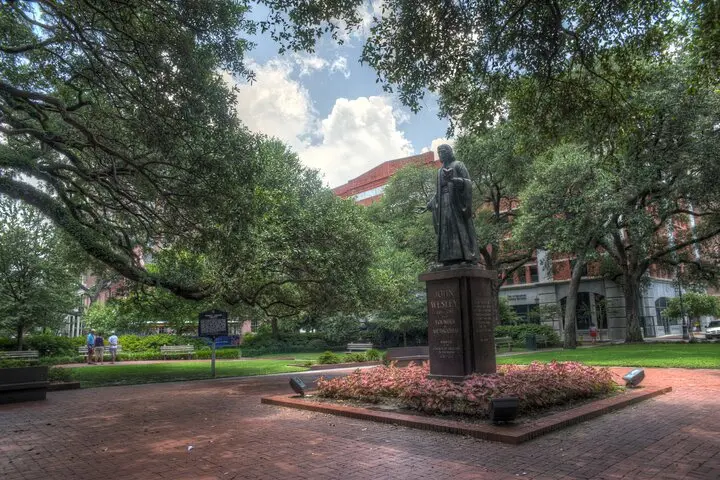
Fog edges in from the Savannah River as gaslight-style lamps throw long pools of orange over brick sidewalks. The group moves square to square under live oaks heavy with Spanish moss that seems to whisper as it brushes faces; a local guide pauses, points to a carved lintel, and the city’s quieter stories begin to unspool.
Fog edges in from the Savannah River as gaslight-style lamps throw long pools of orange over brick sidewalks. The group moves square to square under live oaks heavy with Spanish moss that seems to whisper as it brushes faces; a local guide pauses, points to a carved lintel, and the city’s quieter stories begin to unspool.
Savannah began in 1733 under James Oglethorpe and grew on the coastal plain where tidal rivers and marshes shaped trade, disease, and wartime strategy. Those forces left layers of architecture—merchant houses, theaters, and former hospitals—that the tour uses as anchors for tales of rum-runners, lost lovers, and persistent apparitions. The Olde Pink House, Lucas Theatre frontage, and several burial grounds are explained in turn, each stop linking urban fabric to human drama and the city’s role in Colonial, antebellum, and Civil War history.
Practical notes are clear: this is a 90-minute, easy-paced walking tour over paved and occasionally uneven sidewalks; groups are capped and tours run at night when shadows magnify stories. Wear sturdy shoes, bring water, and plan for high humidity in summer. The operator asks guests to check in 15 minutes before the start at the gate to the left of the parking-lot entrance; the tour finishes near the Willikin’s House close to the start point. Accessibility is good but expect historic streets and some cobbles. Tours may be canceled for severe weather and are sold final.
For visitors wanting atmosphere and local context, the walk blends history, architecture, and the theatrical—an approachable way to feel Savannah’s past underfoot while learning how the city’s landscape keeps its stories alive.