THE ADVENTURE COLLECTIVE® · Independent discovery and booking for outdoor travel

A compact, wild plateau walk that brings you within view of Europe’s last feral Giara horses. This half-day guided trek across volcanic basalt, paulis, and animal-made paths mixes geology, pastoral history, and hands-on local flavor.
A compact, wild plateau walk that brings you within view of Europe’s last feral Giara horses. This half-day guided trek across volcanic basalt, paulis, and animal-made paths mixes geology, pastoral history, and hands-on local flavor.
You step off a dusty lane and the plateau opens: a flat rim of basalt looms under a wide Sardinian sky, scrub and low oaks scattering shadows like quick-moving thoughts. The wind pushes against you here—an active presence that tugs at jacket zippers and dares you to move farther across the Giara.
Verified experiences and guided adventures in the surrounding area.
Operated by Arreu in s'Isula · Gesturi, Sardinia
You step off a dusty lane and the plateau opens: a flat rim of basalt looms under a wide Sardinian sky, scrub and low oaks scattering shadows like quick-moving thoughts. The wind pushes against you here—an active presence that tugs at jacket zippers and dares you to move farther across the Giara.
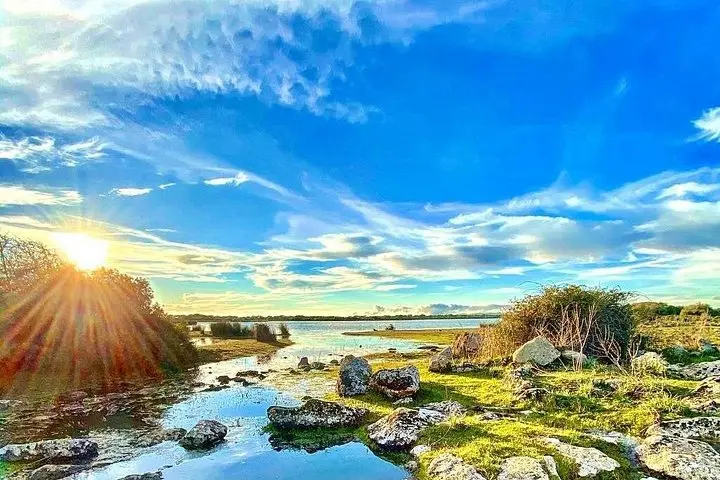
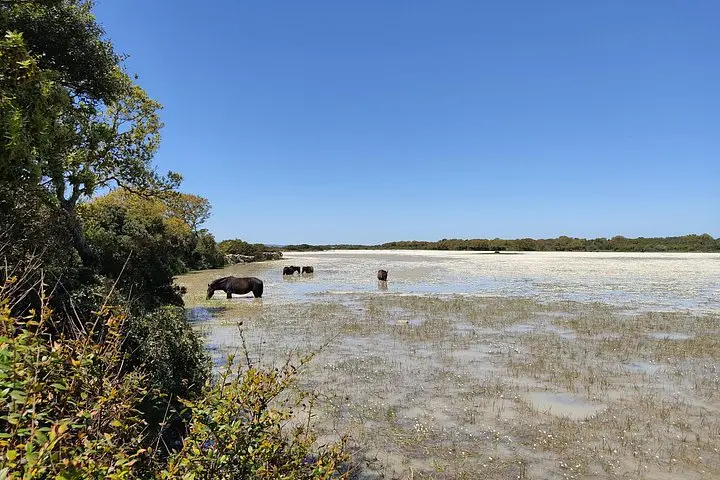
This volcanic plateau dates to Pleistocene lava flows that cooled into an elevated mesa. Rain collects in shallow depressions locals call paulis—seasonal ponds that stitch water and life across the plain. The area is famous for the small feral Giara horses, a relic population often grazing near the paulis; they’re the central attraction, not tamed spectacle but a living piece of Sardinia’s pastoral history.
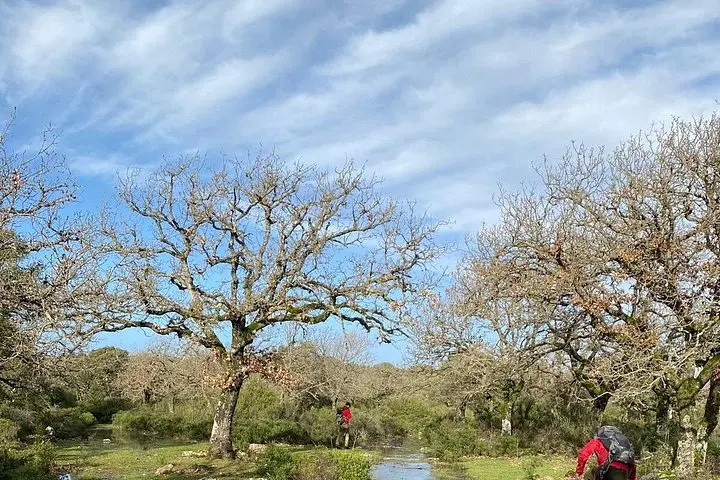
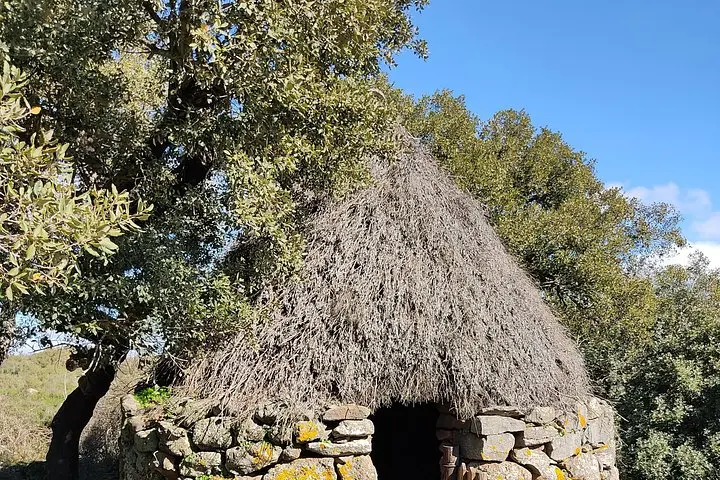
Cultural traces pepper the walk: rusted shepherding tools, dry-stone walls, and shepherding traditions that shaped the plateau’s grazing patterns. Geology and shepherding combine to create open, rocky trails cut by animal paths rather than wide tourist routes—expect irregular footing and occasional scrub.
Practical guidance: this half-day equals roughly 4–5 hours on terrain that’s mostly flat but uneven—plan for 6–8 km of walking with minimal elevation change but repeated short rock steps. Wear sturdy hiking shoes, bring 1–2 liters of water, layered sun protection, and snacks for a break featuring local pecorino or pane carasau. Respect the horses: observe at a distance, avoid sudden movements, and follow your guide’s route. Morning or late afternoon visits increase wildlife sightings and cooler temperatures. Leave no trace and be ready for wind—Giara will remind you who’s in charge.
The guided route typically covers about 6–8 km and runs 4–5 hours including breaks and a local tasting.
Sightings are common but not guaranteed; horses roam free and move with water and grazing needs—early morning or late afternoon improves odds.
Children with good stamina can do the hike; it’s not recommended for pregnant travelers due to uneven terrain and limited access to emergency services.
No formal facilities on the plateau—plan accordingly and follow leave-no-trace principles.
Arreu in s'Isula operates guided outdoor trips and adventures with an emphasis on safety, stewardship, and memorable experiences.
You step off a dusty lane and the plateau opens: a flat rim of basalt looms under a wide Sardinian sky, scrub and low oaks scattering shadows like quick-moving thoughts. The wind pushes against you here—an active presence that tugs at jacket zippers and dares you to move farther across the Giara.
You step off a dusty lane and the plateau opens: a flat rim of basalt looms under a wide Sardinian sky, scrub and low oaks scattering shadows like quick-moving thoughts. The wind pushes against you here—an active presence that tugs at jacket zippers and dares you to move farther across the Giara.
This volcanic plateau dates to Pleistocene lava flows that cooled into an elevated mesa. Rain collects in shallow depressions locals call paulis—seasonal ponds that stitch water and life across the plain. The area is famous for the small feral Giara horses, a relic population often grazing near the paulis; they’re the central attraction, not tamed spectacle but a living piece of Sardinia’s pastoral history.
Cultural traces pepper the walk: rusted shepherding tools, dry-stone walls, and shepherding traditions that shaped the plateau’s grazing patterns. Geology and shepherding combine to create open, rocky trails cut by animal paths rather than wide tourist routes—expect irregular footing and occasional scrub.
Practical guidance: this half-day equals roughly 4–5 hours on terrain that’s mostly flat but uneven—plan for 6–8 km of walking with minimal elevation change but repeated short rock steps. Wear sturdy hiking shoes, bring 1–2 liters of water, layered sun protection, and snacks for a break featuring local pecorino or pane carasau. Respect the horses: observe at a distance, avoid sudden movements, and follow your guide’s route. Morning or late afternoon visits increase wildlife sightings and cooler temperatures. Leave no trace and be ready for wind—Giara will remind you who’s in charge.