THE ADVENTURE COLLECTIVE® · Independent discovery and booking for outdoor travel

A small‑group, four‑hour tour from Cagliari to the volcanic Giara plateau to see the famous wild horses, rock‑cut burials, cork forests and village life. Ideal for travelers who want a compact nature + culture experience with easy walks and local insight.
A small‑group, four‑hour tour from Cagliari to the volcanic Giara plateau to see the famous wild horses, rock‑cut burials, cork forests and village life. Ideal for travelers who want a compact nature + culture experience with easy walks and local insight.
You step out of an air‑conditioned minivan onto a rough basalt rim and the plateau exhales: wind sweeping across low cork oaks, the sharp scent of rock and thyme, and a herd of small, dark horses watching you with slow curiosity. This four‑hour tour from Cagliari moves at a deliberate pace—short drives between viewpoints, a relaxed walk near a basalt lake, and stops that fold Sardinia’s human and natural history into the landscape.
Verified experiences and guided adventures in the surrounding area.
Operated by Secrets of Sardinia · Gesturi, Sardinia
You step out of an air‑conditioned minivan onto a rough basalt rim and the plateau exhales: wind sweeping across low cork oaks, the sharp scent of rock and thyme, and a herd of small, dark horses watching you with slow curiosity. This four‑hour tour from Cagliari moves at a deliberate pace—short drives between viewpoints, a relaxed walk near a basalt lake, and stops that fold Sardinia’s human and natural history into the landscape.
Geology here is blunt and visible: a volcanic plateau shaped by ancient lava flows and punctuated by shallow basins that collect rain, producing spring ponds and unusual plant communities. The Giara’s caverns and rock‑carved burial chambers date back millennia; one stop is a Stone–Copper Age rock tomb (c. 3800–3200 BC) where simple carved recesses mark funerary practice. Culturally, the route threads small Marmilla villages—olive groves, saffron fields, and muraled village piazzas—offering a sense of working Sardinia rather than tourist Sardinia.
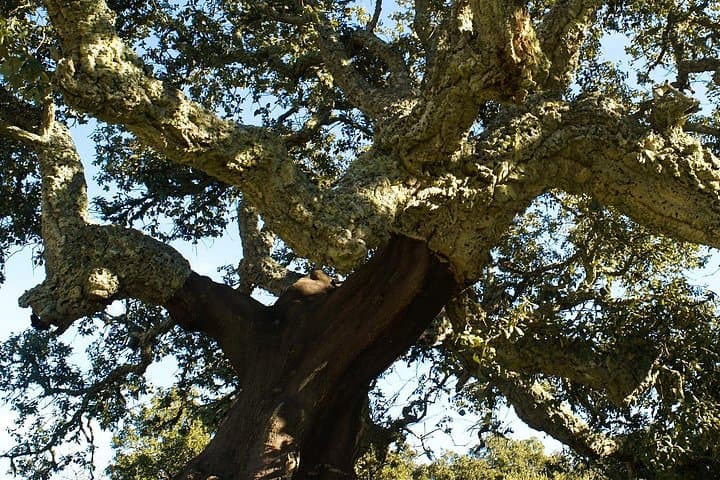
Expect interpretive commentary about local ecology and pastoral life, plus easy walks through cork forests and along the plateau edge to watch the famed Giara horses. Practicalities: morning or late‑afternoon departures are best for light and horse activity; wear sturdy shoes for uneven basalt and bring sun protection and water. The group size is small (up to eight), which keeps the experience intimate and leaves room to listen—both to guides and to the plateau itself, which seems to keep time differently than the coast below.
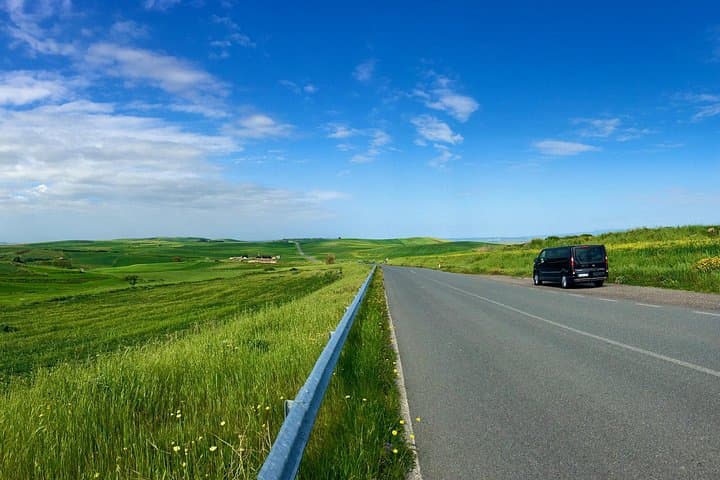
The drive to the Giara plateau takes roughly 40–60 minutes depending on traffic and the exact meeting point.
Giara horses are generally calm but are wild animals—keep distance, follow the guide, and do not attempt to touch or feed them.
Yes, the itinerary is described as easy with short walks; however travelers with serious mobility or cardiovascular issues should consult the operator.
The described stops are outdoors and included in the tour; any optional longer visits to archaeological sites would be noted by the guide and may require local fees.
Secrets of Sardinia operates guided outdoor trips and adventures with an emphasis on safety, stewardship, and memorable experiences.
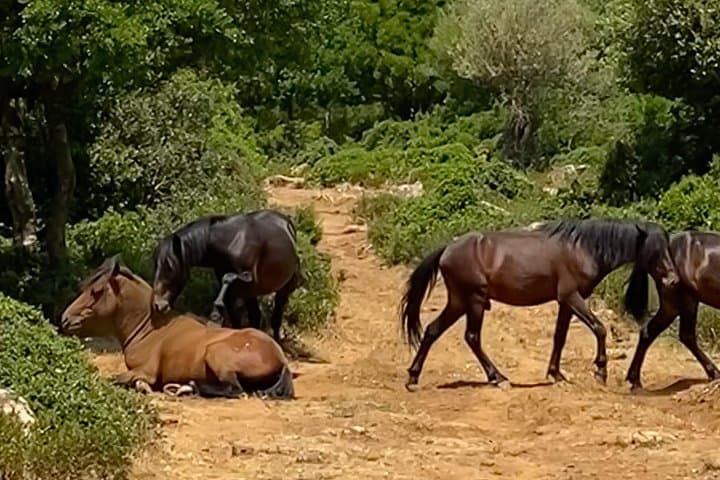
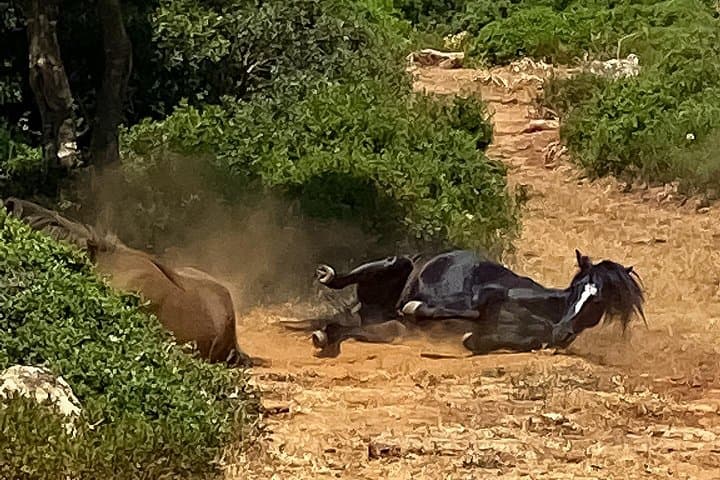
You step out of an air‑conditioned minivan onto a rough basalt rim and the plateau exhales: wind sweeping across low cork oaks, the sharp scent of rock and thyme, and a herd of small, dark horses watching you with slow curiosity. This four‑hour tour from Cagliari moves at a deliberate pace—short drives between viewpoints, a relaxed walk near a basalt lake, and stops that fold Sardinia’s human and natural history into the landscape.
You step out of an air‑conditioned minivan onto a rough basalt rim and the plateau exhales: wind sweeping across low cork oaks, the sharp scent of rock and thyme, and a herd of small, dark horses watching you with slow curiosity. This four‑hour tour from Cagliari moves at a deliberate pace—short drives between viewpoints, a relaxed walk near a basalt lake, and stops that fold Sardinia’s human and natural history into the landscape.
Geology here is blunt and visible: a volcanic plateau shaped by ancient lava flows and punctuated by shallow basins that collect rain, producing spring ponds and unusual plant communities. The Giara’s caverns and rock‑carved burial chambers date back millennia; one stop is a Stone–Copper Age rock tomb (c. 3800–3200 BC) where simple carved recesses mark funerary practice. Culturally, the route threads small Marmilla villages—olive groves, saffron fields, and muraled village piazzas—offering a sense of working Sardinia rather than tourist Sardinia.
Expect interpretive commentary about local ecology and pastoral life, plus easy walks through cork forests and along the plateau edge to watch the famed Giara horses. Practicalities: morning or late‑afternoon departures are best for light and horse activity; wear sturdy shoes for uneven basalt and bring sun protection and water. The group size is small (up to eight), which keeps the experience intimate and leaves room to listen—both to guides and to the plateau itself, which seems to keep time differently than the coast below.