THE ADVENTURE COLLECTIVE® · Independent discovery and booking for outdoor travel

Step from sunlit vines into New Zealand’s largest wine cave on a compact 45-minute Gibbston Valley tour. Learn how Central Otago’s soils and cool nights shape Pinot Noir, then taste four handcrafted wines in a cool, constant-temperature cave.
Step from sunlit vines into New Zealand’s largest wine cave on a compact 45-minute Gibbston Valley tour. Learn how Central Otago’s soils and cool nights shape Pinot Noir, then taste four handcrafted wines in a cool, constant-temperature cave.
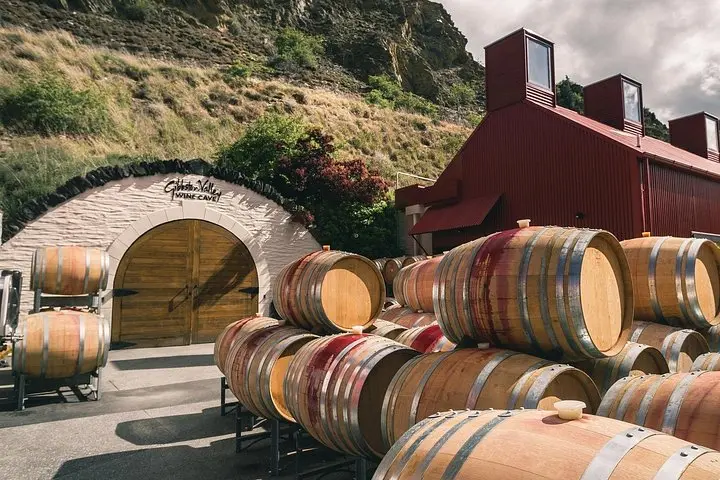
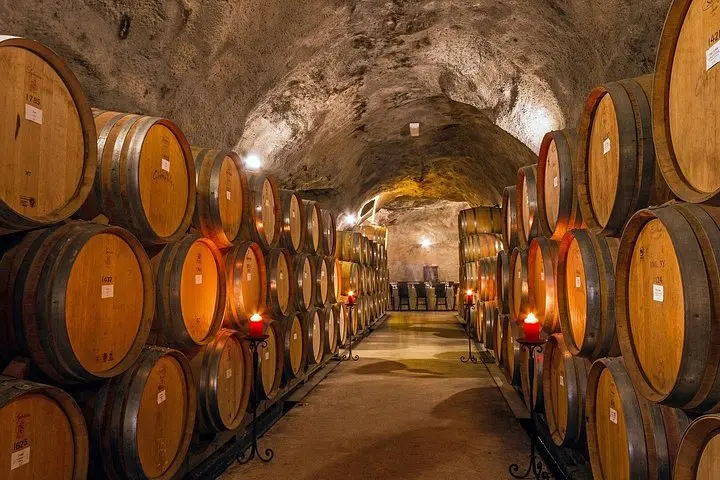
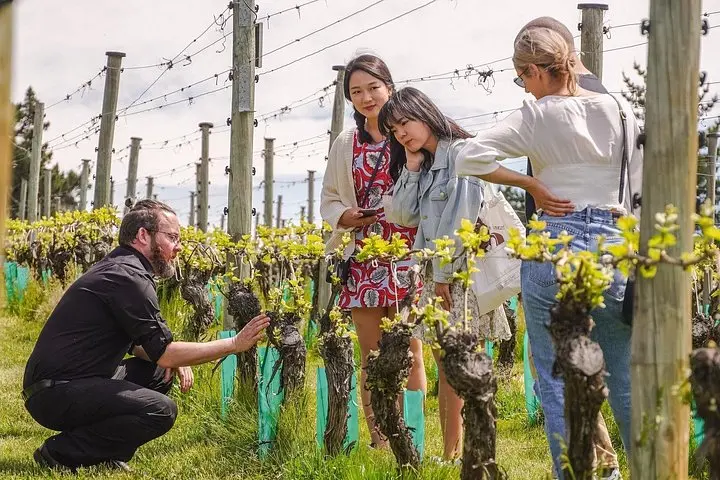
A cool carved cave mouth frames rows of pale limestone and barrel staves—visitors step from bright Gibbston sunlight into a dim, steady 12–14°C hush. The 45-minute Gibbston Valley Wines tour moves with that contrast: sunlit vines, a hands-on look at small-batch winemaking, then four wine tastings in New Zealand’s largest wine cave.
Verified experiences and guided adventures in the surrounding area.
Operated by Gibbston Valley Winery · Queenstown, Otago
A cool carved cave mouth frames rows of pale limestone and barrel staves—visitors step from bright Gibbston sunlight into a dim, steady 12–14°C hush. The 45-minute Gibbston Valley Wines tour moves with that contrast: sunlit vines, a hands-on look at small-batch winemaking, then four wine tastings in New Zealand’s largest wine cave.
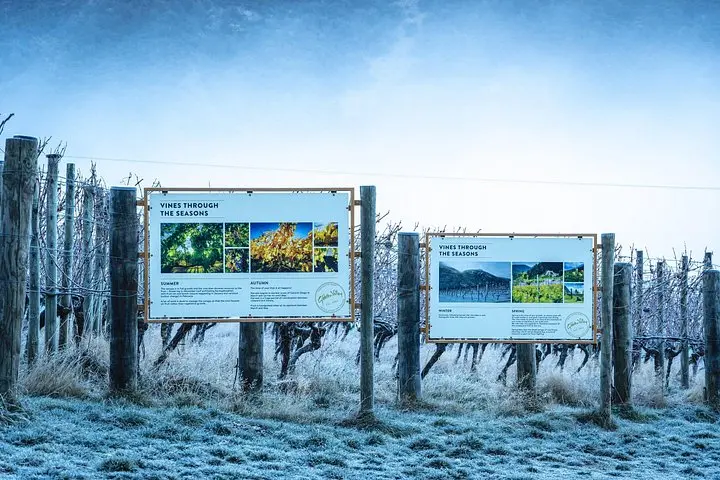
Central Otago’s vineyards sit on schist soils left by ancient ranges and glacial action; Gibbston’s Home Block is among the region’s oldest plantings and a living archive of pinot noir clones. The tour traces practical winemaking history—early gold-rush transport routes gave way to experimental plantings in the late 20th century—and explains how cool nights and fast-draining soils shape delicate, high-acid Pinots.
Culturally, the cellar door is part tasting room, part local meeting place: expect straightforward hospitality, clear provenance talk and staff who can translate technical notes into what you taste. Geology and climate are not just background—they dictate pruning, picking and the cellar’s constant temperature.
Practically: the route is flat and wheelchair accessible; wear closed shoes for gravel, bring a light layer for the cave, and allow transport time from Queenstown (about 25 minutes). Tastings focus on four handcrafted wines—pacing is deliberate so guests can compare structure and oak influence.
Ideal for curious wine lovers and outdoor travelers who want a compact, informative experience that balances vineyard context with sensory tasting. Book in advance during harvest (Mar–May) and aim for mid-morning for quieter cellar time.
The guided tour and tasting run about 45 minutes; allow extra time for travel to and from Queenstown.
Children under 16 are not permitted on the Winery Tour; a separate Cave Tour is available for younger guests.
Yes—routes, surfaces and the cave tasting area are wheelchair accessible.
The standard tour includes four tastings selected to showcase Gibbston Valley’s pinot noir styles and winemaking approaches.
Gibbston Valley Winery operates guided outdoor trips and adventures with an emphasis on safety, stewardship, and memorable experiences.
A cool carved cave mouth frames rows of pale limestone and barrel staves—visitors step from bright Gibbston sunlight into a dim, steady 12–14°C hush. The 45-minute Gibbston Valley Wines tour moves with that contrast: sunlit vines, a hands-on look at small-batch winemaking, then four wine tastings in New Zealand’s largest wine cave.
A cool carved cave mouth frames rows of pale limestone and barrel staves—visitors step from bright Gibbston sunlight into a dim, steady 12–14°C hush. The 45-minute Gibbston Valley Wines tour moves with that contrast: sunlit vines, a hands-on look at small-batch winemaking, then four wine tastings in New Zealand’s largest wine cave.
Central Otago’s vineyards sit on schist soils left by ancient ranges and glacial action; Gibbston’s Home Block is among the region’s oldest plantings and a living archive of pinot noir clones. The tour traces practical winemaking history—early gold-rush transport routes gave way to experimental plantings in the late 20th century—and explains how cool nights and fast-draining soils shape delicate, high-acid Pinots.
Culturally, the cellar door is part tasting room, part local meeting place: expect straightforward hospitality, clear provenance talk and staff who can translate technical notes into what you taste. Geology and climate are not just background—they dictate pruning, picking and the cellar’s constant temperature.
Practically: the route is flat and wheelchair accessible; wear closed shoes for gravel, bring a light layer for the cave, and allow transport time from Queenstown (about 25 minutes). Tastings focus on four handcrafted wines—pacing is deliberate so guests can compare structure and oak influence.
Ideal for curious wine lovers and outdoor travelers who want a compact, informative experience that balances vineyard context with sensory tasting. Book in advance during harvest (Mar–May) and aim for mid-morning for quieter cellar time.