THE ADVENTURE COLLECTIVE® · Independent discovery and booking for outdoor travel

See the Rock of Gibraltar in three hours: from the glass viewpoint and Europa Point to St Michael’s Cave and the Great Siege Tunnels. A guided, private loop that mixes geology, military history and wildlife with practical access.
See the Rock of Gibraltar in three hours: from the glass viewpoint and Europa Point to St Michael’s Cave and the Great Siege Tunnels. A guided, private loop that mixes geology, military history and wildlife with practical access.
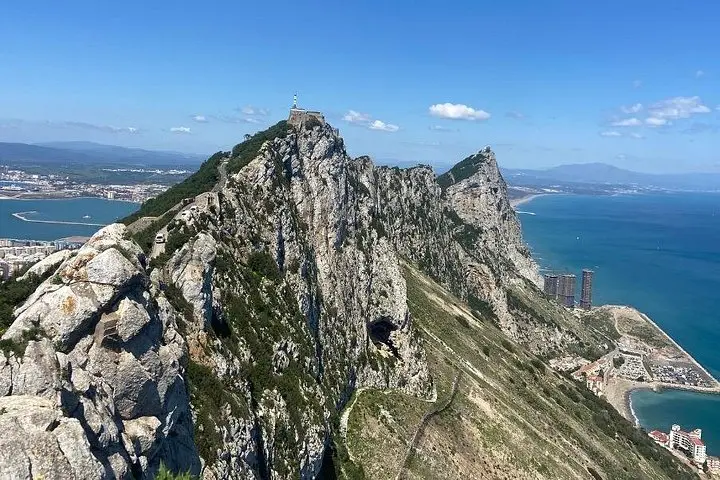
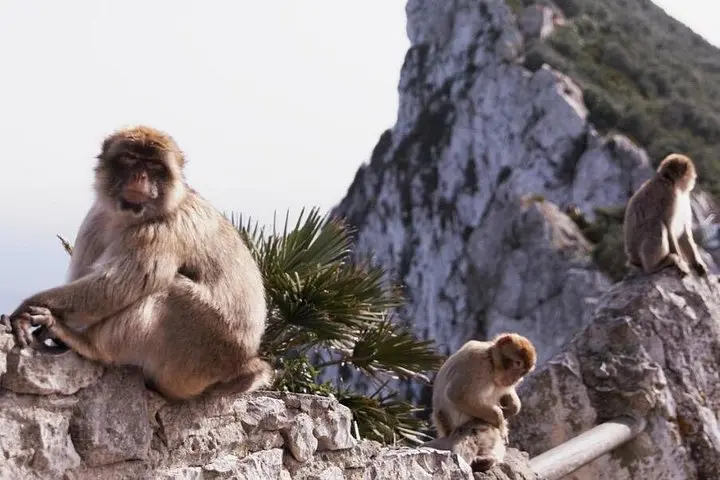
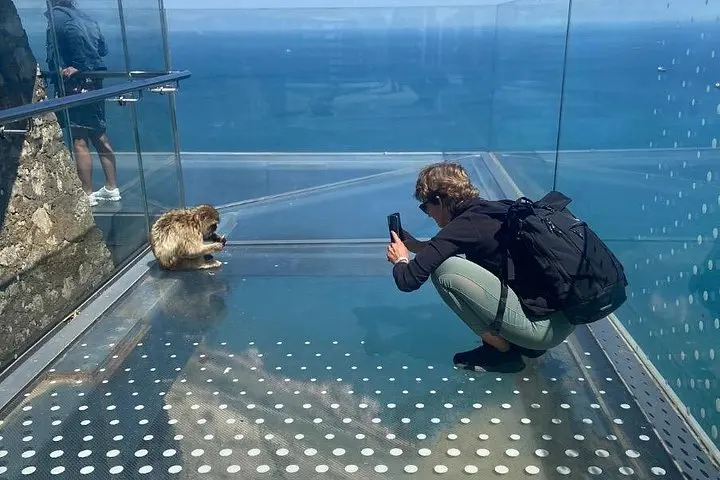
Standing on the glass-floored viewpoint of the Rock, the sea pulls the horizon taut and Africa looks close enough to touch. A warm wind pushes across the Strait of Gibraltar and the guide points out the white lighthouse at Europa Point while Barbary macaques hop between crags below—the Rock’s everyday theater.
Verified experiences and guided adventures in the surrounding area.
Operated by Go Tours Gibraltar · Gibraltar, Gibraltar
Standing on the glass-floored viewpoint of the Rock, the sea pulls the horizon taut and Africa looks close enough to touch. A warm wind pushes across the Strait of Gibraltar and the guide points out the white lighthouse at Europa Point while Barbary macaques hop between crags below—the Rock’s everyday theater.
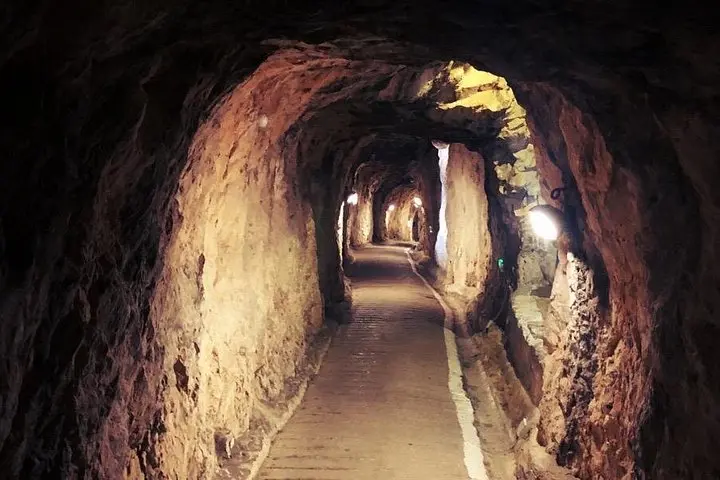
This three-hour circuit threads together military history, geology and coastal culture. The Rock is limestone carved by sea and time; St Michael’s Cave opens into chambers that have hosted concerts and, more recently, a projection show tracing human and natural history. The Great Siege Tunnels cut into the cliffs recall late-18th-century warfare; the 100 Ton Gun is a rare relic of Victorian coastal defence. Catalan Bay’s old fishing cottages and the Pillars of Hercules myth tie the place to Mediterranean trade and lore.
Practically, the tour is a short, accessible loop with private transport and timed stops—expect about 180 minutes door-to-door. Paths in the Nature Reserve vary from paved viewpoints to short, steep stretches near batteries; comfortable walking shoes and a light jacket for wind are sensible. Don’t feed or approach macaques and carry ID if you plan to cross into Spain later; border waits vary.
Best visited in soft morning or late-afternoon light for photography and cooler temperatures. The guide-led format compresses context into a compact outing: military engineering, coastal geology, and wildlife all visible without a long trek—an efficient, sensory introduction to one of Europe’s most storied headlands.
The experience lasts approximately 3 hours with private transport and guide-led stops.
Yes—admission to listed sites such as St Michael’s Cave and the Upper Galleries is included in the itinerary.
Yes—stroller access and infant seats are available, and the tour is described as physically easy.
You can observe them from safe distances, but do not feed or touch the macaques; follow guide instructions for safety.
Go Tours Gibraltar operates guided outdoor trips and adventures with an emphasis on safety, stewardship, and memorable experiences.
Standing on the glass-floored viewpoint of the Rock, the sea pulls the horizon taut and Africa looks close enough to touch. A warm wind pushes across the Strait of Gibraltar and the guide points out the white lighthouse at Europa Point while Barbary macaques hop between crags below—the Rock’s everyday theater.
Standing on the glass-floored viewpoint of the Rock, the sea pulls the horizon taut and Africa looks close enough to touch. A warm wind pushes across the Strait of Gibraltar and the guide points out the white lighthouse at Europa Point while Barbary macaques hop between crags below—the Rock’s everyday theater.
This three-hour circuit threads together military history, geology and coastal culture. The Rock is limestone carved by sea and time; St Michael’s Cave opens into chambers that have hosted concerts and, more recently, a projection show tracing human and natural history. The Great Siege Tunnels cut into the cliffs recall late-18th-century warfare; the 100 Ton Gun is a rare relic of Victorian coastal defence. Catalan Bay’s old fishing cottages and the Pillars of Hercules myth tie the place to Mediterranean trade and lore.
Practically, the tour is a short, accessible loop with private transport and timed stops—expect about 180 minutes door-to-door. Paths in the Nature Reserve vary from paved viewpoints to short, steep stretches near batteries; comfortable walking shoes and a light jacket for wind are sensible. Don’t feed or approach macaques and carry ID if you plan to cross into Spain later; border waits vary.
Best visited in soft morning or late-afternoon light for photography and cooler temperatures. The guide-led format compresses context into a compact outing: military engineering, coastal geology, and wildlife all visible without a long trek—an efficient, sensory introduction to one of Europe’s most storied headlands.