THE ADVENTURE COLLECTIVE® · Independent discovery and booking for outdoor travel

Explore 3 hours inside the Rock of Gibraltar: from the vaulted St. Michael’s Cave to hand-carved Great Siege passages and WWII tunnel city. Expect steep steps, close-up macaque encounters, and sweeping views where two seas meet.
Explore 3 hours inside the Rock of Gibraltar: from the vaulted St. Michael’s Cave to hand-carved Great Siege passages and WWII tunnel city. Expect steep steps, close-up macaque encounters, and sweeping views where two seas meet.
You step off the street into limestone: the Rock of Gibraltar rises like a worn fortress, salt air pushing against the face of the cliff, and gulls tracking the strait. The guide leads you through a sequence of tight passages and wide caverns—St. Michael’s Cave opening like a vaulted hall, tunnels cut by hand, and a skywalk that throws the horizon wide between Europe and Africa.
Verified experiences and guided adventures in the surrounding area.
Operated by Gibraltar Inside Out Rock Tours · Gibraltar, Gibraltar
You step off the street into limestone: the Rock of Gibraltar rises like a worn fortress, salt air pushing against the face of the cliff, and gulls tracking the strait. The guide leads you through a sequence of tight passages and wide caverns—St. Michael’s Cave opening like a vaulted hall, tunnels cut by hand, and a skywalk that throws the horizon wide between Europe and Africa.
Geology and history sit shoulder to shoulder here. The 426 m limestone promontory has been a strategic choke point for millennia; visitors encounter evidence from Moorish fortifications to the hand-drilled galleries of the 1779–1783 Great Siege. WWII tunnels carved by Royal Engineers expand the narrative—rooms, hospitals and storerooms hewn into living rock that sheltered commanders and civilians in wartime planning.
Culture arrives in small details: local stories about the Barbary macaques, British garrison life, and the Pillars of Hercules view where the Atlantic meets the Mediterranean. The route mixes paved paths, stone steps and dim, engineered cavities; expect several short climbs and low overheads in places.
Practical guidance: the tour runs about 2–3 hours and is mostly easy walking but includes stairs and uneven surfaces. Wear closed-toe shoes, bring a light layer for cool tunnel air, and carry water—solar exposure on viewing points can be intense. Cameras are welcome but keep a respectful distance from macaques; they are wild animals and can be bold. For a focused half-day, this tour combines geology, military engineering, and sweeping maritime views into a compact, walkable experience.
The guided itinerary runs approximately 2–3 hours and covers several indoor and outdoor sites on the Upper Rock.
Some viewpoints and sections are accessible, but many tunnels and steps are not fully wheelchair friendly—check with the operator about specific accessibility needs.
Yes, the macaques often appear near the Upper Rock; keep a safe distance and follow guide instructions—do not feed them.
This tour typically includes admission to St. Michael’s Cave, the Skywalk and the WWII Tunnels—confirm inclusions at booking.
Gibraltar Inside Out Rock Tours operates guided outdoor trips and adventures with an emphasis on safety, stewardship, and memorable experiences.


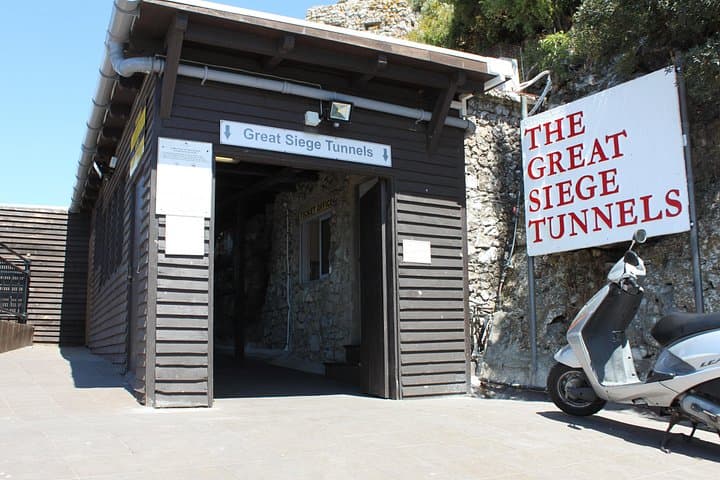
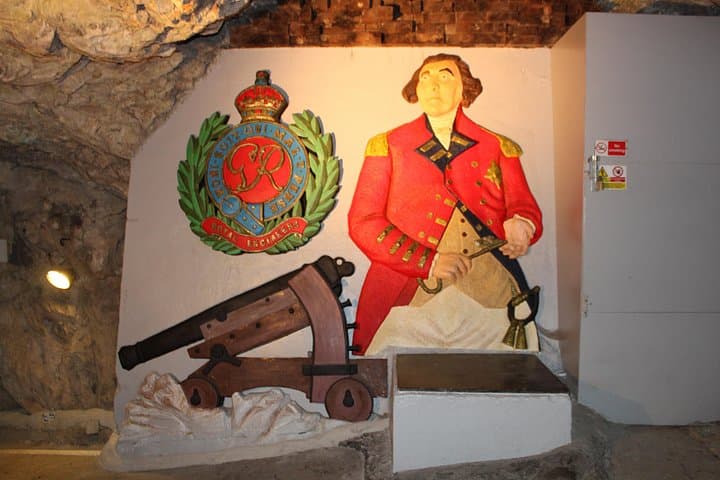
You step off the street into limestone: the Rock of Gibraltar rises like a worn fortress, salt air pushing against the face of the cliff, and gulls tracking the strait. The guide leads you through a sequence of tight passages and wide caverns—St. Michael’s Cave opening like a vaulted hall, tunnels cut by hand, and a skywalk that throws the horizon wide between Europe and Africa.
You step off the street into limestone: the Rock of Gibraltar rises like a worn fortress, salt air pushing against the face of the cliff, and gulls tracking the strait. The guide leads you through a sequence of tight passages and wide caverns—St. Michael’s Cave opening like a vaulted hall, tunnels cut by hand, and a skywalk that throws the horizon wide between Europe and Africa.
Geology and history sit shoulder to shoulder here. The 426 m limestone promontory has been a strategic choke point for millennia; visitors encounter evidence from Moorish fortifications to the hand-drilled galleries of the 1779–1783 Great Siege. WWII tunnels carved by Royal Engineers expand the narrative—rooms, hospitals and storerooms hewn into living rock that sheltered commanders and civilians in wartime planning.
Culture arrives in small details: local stories about the Barbary macaques, British garrison life, and the Pillars of Hercules view where the Atlantic meets the Mediterranean. The route mixes paved paths, stone steps and dim, engineered cavities; expect several short climbs and low overheads in places.
Practical guidance: the tour runs about 2–3 hours and is mostly easy walking but includes stairs and uneven surfaces. Wear closed-toe shoes, bring a light layer for cool tunnel air, and carry water—solar exposure on viewing points can be intense. Cameras are welcome but keep a respectful distance from macaques; they are wild animals and can be bold. For a focused half-day, this tour combines geology, military engineering, and sweeping maritime views into a compact, walkable experience.