THE ADVENTURE COLLECTIVE® · Independent discovery and booking for outdoor travel

Dress in a traditional wedding kimono, receive professional hair and makeup, and capture studio portraits in central Ginza. This three-hour plan pairs authentic garments with studio craft—book one week ahead and bring accurate sizing details.
Dress in a traditional wedding kimono, receive professional hair and makeup, and capture studio portraits in central Ginza. This three-hour plan pairs authentic garments with studio craft—book one week ahead and bring accurate sizing details.
You step into a compact studio off a Ginza side street and the room reshapes you: silk folds settle, hairpins catch the light, and the staff moves with precise choreography to dress you in an uchikake or iro-uchikake wedding kimono.
Verified experiences and guided adventures in the surrounding area.
Operated by KIMONO QUEEN · Tokyo, Tokyo
You step into a compact studio off a Ginza side street and the room reshapes you: silk folds settle, hairpins catch the light, and the staff moves with precise choreography to dress you in an uchikake or iro-uchikake wedding kimono.
Ginza's wide boulevards and brick-front modernization date to the Meiji era when Tokyo remade itself as a modern city; beneath the neon the area sits on the alluvial plain of Tokyo Bay, where historic merchant districts gave way to showrooms and studios. The kimono itself carries layers of history—textiles, family symbolism, and centuries of craft—so a studio session here is equal parts cultural ceremony and photographic service.
Expect a focused three-hour appointment: pre-select a kimono from a catalog (reserve one week ahead), arrive for assisted dressing, professional hair and makeup with traditional accessories, then a 30-minute studio shoot. Photographers use controlled lighting and curated backdrops to highlight embroidered details; final image files are emailed about three weeks later.
Practical notes: provide accurate height and weight when booking to ensure proper fit; the service is wheelchair accessible and welcomes LGBT couples. Wear easy-to-remove undergarments and allow time for undressing after the shoot—kimono dressing and removal are meticulous. If you want outdoor portraiture on the Ginza streets, ask in advance; permits and timing matter. Hydrate, bring a small emergency kit (bobby pins, clear nail polish), and plan for a relaxed pace—this is about craft and presence as much as the photograph.
Yes—selecting from the provided catalog at least one week in advance lets the studio prepare the correct size, obi, and matching accessories.
All photo data are typically delivered by email about three weeks after your session; confirm exact timing when you book.
Yes—the provider notes wheelchair accessibility for areas and surfaces and can accommodate mobility needs with prior notice.
Yes—the studio explicitly welcomes LGBT couples and offers the same kimono and styling services to all clients.
KIMONO QUEEN operates guided outdoor trips and adventures with an emphasis on safety, stewardship, and memorable experiences.
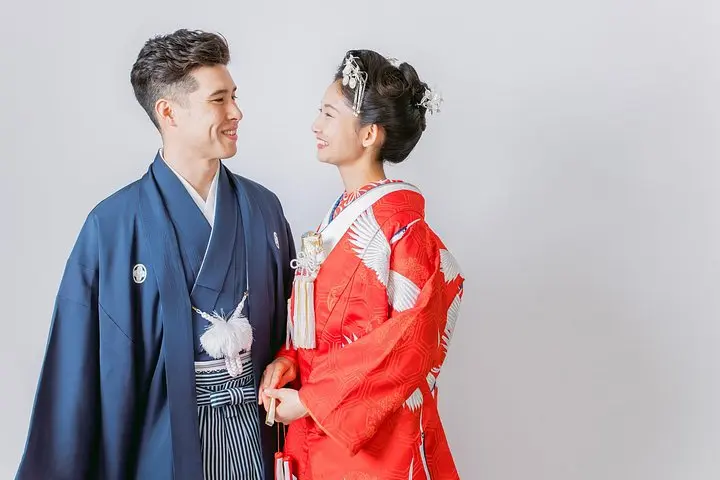
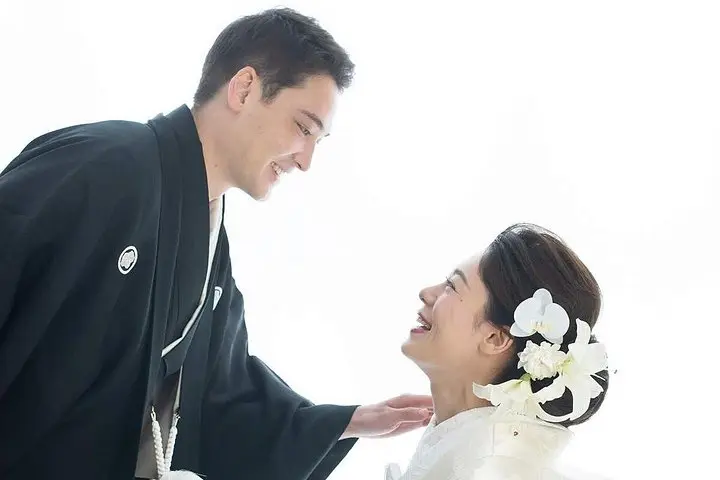
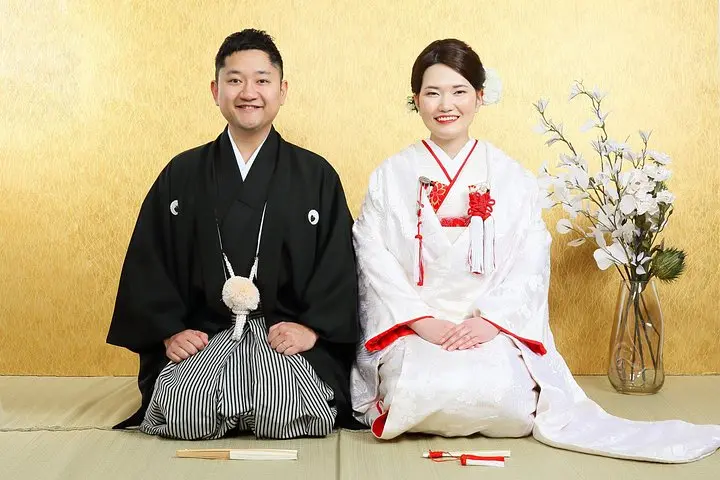
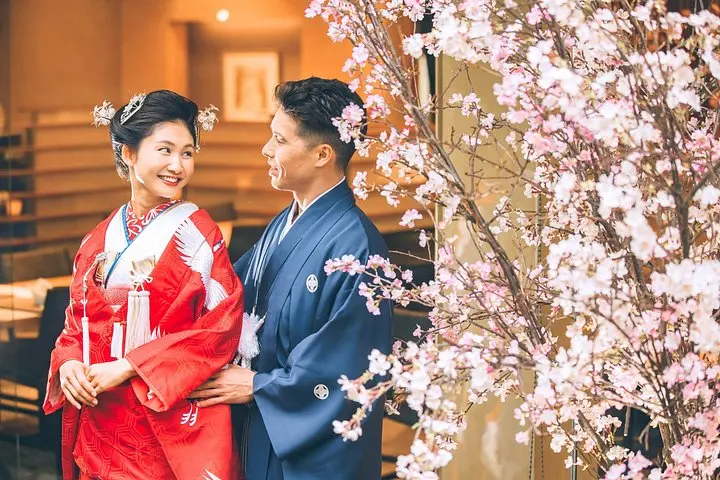
You step into a compact studio off a Ginza side street and the room reshapes you: silk folds settle, hairpins catch the light, and the staff moves with precise choreography to dress you in an uchikake or iro-uchikake wedding kimono.
You step into a compact studio off a Ginza side street and the room reshapes you: silk folds settle, hairpins catch the light, and the staff moves with precise choreography to dress you in an uchikake or iro-uchikake wedding kimono.
Ginza's wide boulevards and brick-front modernization date to the Meiji era when Tokyo remade itself as a modern city; beneath the neon the area sits on the alluvial plain of Tokyo Bay, where historic merchant districts gave way to showrooms and studios. The kimono itself carries layers of history—textiles, family symbolism, and centuries of craft—so a studio session here is equal parts cultural ceremony and photographic service.
Expect a focused three-hour appointment: pre-select a kimono from a catalog (reserve one week ahead), arrive for assisted dressing, professional hair and makeup with traditional accessories, then a 30-minute studio shoot. Photographers use controlled lighting and curated backdrops to highlight embroidered details; final image files are emailed about three weeks later.
Practical notes: provide accurate height and weight when booking to ensure proper fit; the service is wheelchair accessible and welcomes LGBT couples. Wear easy-to-remove undergarments and allow time for undressing after the shoot—kimono dressing and removal are meticulous. If you want outdoor portraiture on the Ginza streets, ask in advance; permits and timing matter. Hydrate, bring a small emergency kit (bobby pins, clear nail polish), and plan for a relaxed pace—this is about craft and presence as much as the photograph.