THE ADVENTURE COLLECTIVE® · Independent discovery and booking for outdoor travel

Spend a practical half-day in Nairobi feeding giraffes from elevated platforms, watching orphaned baby elephants during the public hour, and visiting the Kazuri bead and pottery workshop. This organised tour combines close wildlife encounters with hands-on conservation education and local craft shopping.
Spend a practical half-day in Nairobi feeding giraffes from elevated platforms, watching orphaned baby elephants during the public hour, and visiting the Kazuri bead and pottery workshop. This organised tour combines close wildlife encounters with hands-on conservation education and local craft shopping.
You arrive before the city heats up and the Giraffe Centre feels like a quiet clearing at the edge of suburbia. Elevated platforms put you eye-to-eye with a graceful giraffe; their prehensile tongues reach for leaves as you hold out pellets, the animals almost curious enough to take the lead.
Verified experiences and guided adventures in the surrounding area.
Operated by Gracepatt Ecotours Kenya · Nairobi, Nairobi
You arrive before the city heats up and the Giraffe Centre feels like a quiet clearing at the edge of suburbia. Elevated platforms put you eye-to-eye with a graceful giraffe; their prehensile tongues reach for leaves as you hold out pellets, the animals almost curious enough to take the lead.
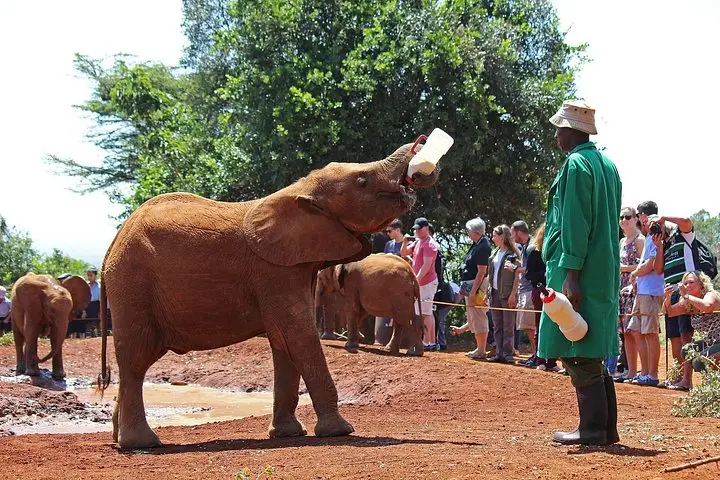
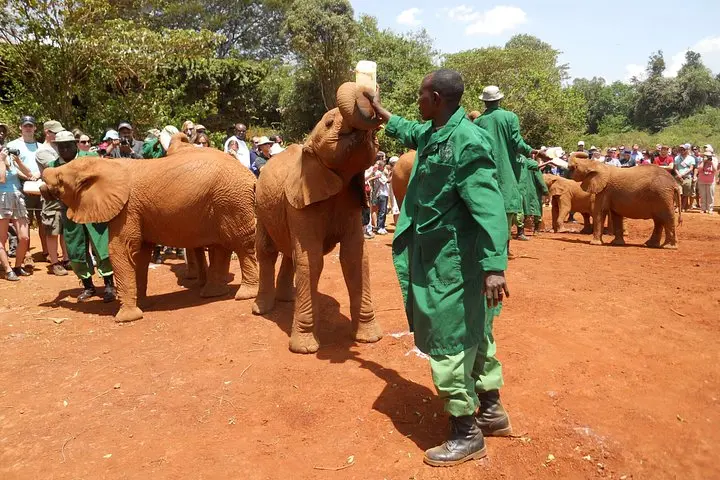
The day traces Nairobi’s conservation arc: the Giraffe Centre—founded to save Rothschild’s giraffe—offers hands-on feeding and biology briefings, then a short drive brings you to the David Sheldrick Elephant Orphanage where baby elephants make noisy, affectionate claims on attention during the public hour. The final stop, Kazuri/Kobe beads and pottery, brings a cultural counterpoint—handmade ceramics and beads crafted by women who’ve made the workshop an economic lifeline.
Geology here is subtle: rolling, volcanic-derived soils support acacia and grassland that feed both park wildlife and smallholder farms. Culturally, the route threads through Lang'ata and Karen—neighborhoods shaped by colonial-era estates, modern conservation NGOs, and market crafts.
Practical guidance: the orphanage visit is time-sensitive (public viewing usually 11:00–12:00) so punctuality matters. Expect about six hours total with private transport; wear sturdy shoes for uneven paths and a sun hat for open platforms. Bring small notes for souvenirs rather than large bills, and keep to staff direction when feeding animals—rules protect both you and the wildlife. With basic planning this half-day tour delivers close encounters, conservation context, and locally made crafts in a single, manageable loop.
Feeding is supervised and subject to staff discretion; children are allowed under direct supervision and feeding may be limited during busy periods.
Public viewing is typically limited to a one-hour window around 11:00–12:00; check local schedules as times can change seasonally.
This tour includes private transport to the sites from Nairobi pickup points as specified in the booking details.
Yes, the Kazuri/Kobe bead gift shop is open daily (workshop hours vary); purchases support local artisans, often single mothers employed by the project.
Gracepatt Ecotours Kenya operates guided outdoor trips and adventures with an emphasis on safety, stewardship, and memorable experiences.
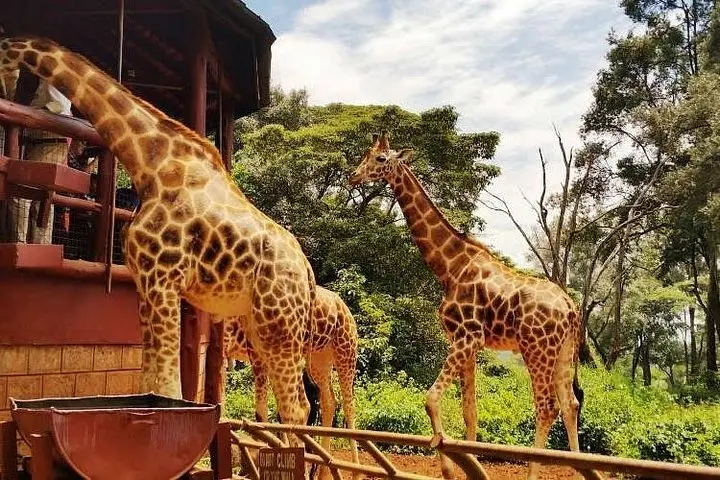
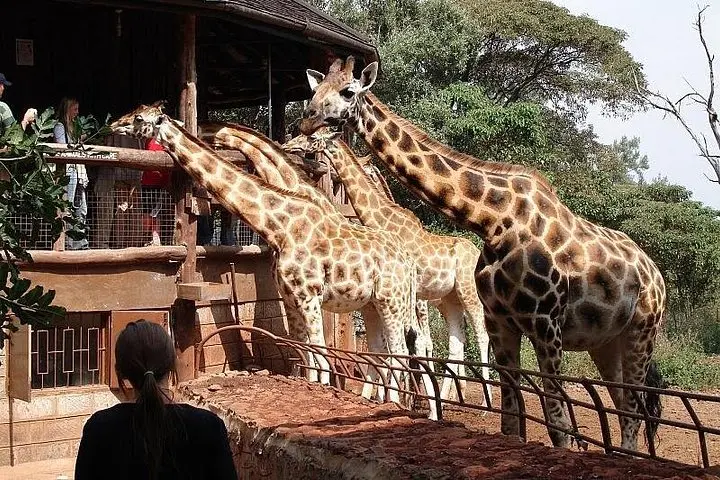
You arrive before the city heats up and the Giraffe Centre feels like a quiet clearing at the edge of suburbia. Elevated platforms put you eye-to-eye with a graceful giraffe; their prehensile tongues reach for leaves as you hold out pellets, the animals almost curious enough to take the lead.
You arrive before the city heats up and the Giraffe Centre feels like a quiet clearing at the edge of suburbia. Elevated platforms put you eye-to-eye with a graceful giraffe; their prehensile tongues reach for leaves as you hold out pellets, the animals almost curious enough to take the lead.
The day traces Nairobi’s conservation arc: the Giraffe Centre—founded to save Rothschild’s giraffe—offers hands-on feeding and biology briefings, then a short drive brings you to the David Sheldrick Elephant Orphanage where baby elephants make noisy, affectionate claims on attention during the public hour. The final stop, Kazuri/Kobe beads and pottery, brings a cultural counterpoint—handmade ceramics and beads crafted by women who’ve made the workshop an economic lifeline.
Geology here is subtle: rolling, volcanic-derived soils support acacia and grassland that feed both park wildlife and smallholder farms. Culturally, the route threads through Lang'ata and Karen—neighborhoods shaped by colonial-era estates, modern conservation NGOs, and market crafts.
Practical guidance: the orphanage visit is time-sensitive (public viewing usually 11:00–12:00) so punctuality matters. Expect about six hours total with private transport; wear sturdy shoes for uneven paths and a sun hat for open platforms. Bring small notes for souvenirs rather than large bills, and keep to staff direction when feeding animals—rules protect both you and the wildlife. With basic planning this half-day tour delivers close encounters, conservation context, and locally made crafts in a single, manageable loop.