THE ADVENTURE COLLECTIVE® · Independent discovery and booking for outdoor travel

Spend a day in Nairobi’s Karen suburb combining conservation, craft and colonial history. Meet Rothschild giraffes, watch bead-makers at work and walk through Karen Blixen’s farmhouse on a single, accessible day tour.
Spend a day in Nairobi’s Karen suburb combining conservation, craft and colonial history. Meet Rothschild giraffes, watch bead-makers at work and walk through Karen Blixen’s farmhouse on a single, accessible day tour.
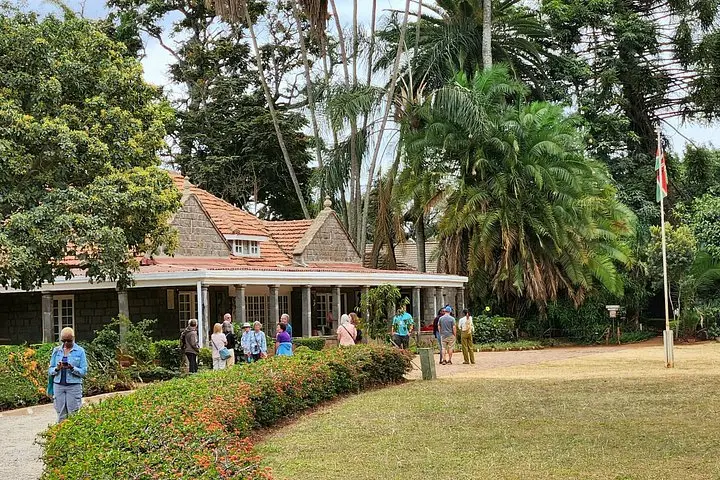
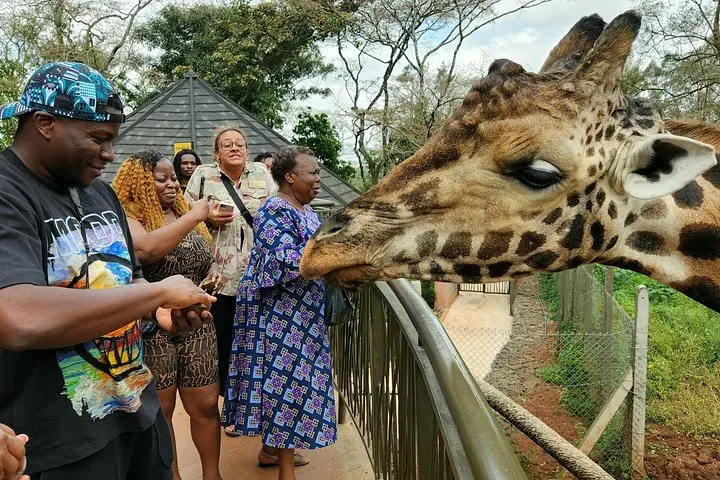
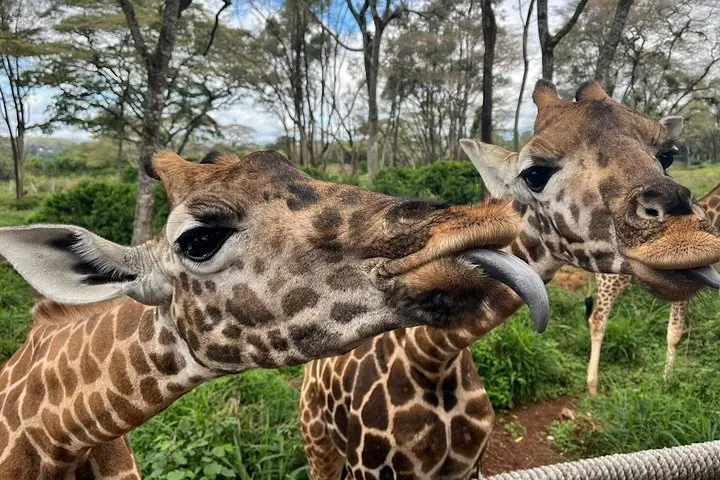
You step out of the vehicle into warm Nairobi air and the suburban calm of Karen — jacarandas and tamarinds shade a lane that leads toward an old farmhouse. The Karen Blixen Museum opens like a page of Out of Africa: high ceilings, faded leather chairs and coffee roasters that hint at a colonial past. Later, the giraffes of the Giraffe Centre lower their long heads and inspect visitors with slow, deliberate curiosity, while the bead-makers at the Kazuri/Kobe Tough workshop spin clay and glaze into bright, wearable forms.
Verified experiences and guided adventures in the surrounding area.
Operated by Rustic Nature Tours · Nairobi, Nairobi County
You step out of the vehicle into warm Nairobi air and the suburban calm of Karen — jacarandas and tamarinds shade a lane that leads toward an old farmhouse. The Karen Blixen Museum opens like a page of Out of Africa: high ceilings, faded leather chairs and coffee roasters that hint at a colonial past. Later, the giraffes of the Giraffe Centre lower their long heads and inspect visitors with slow, deliberate curiosity, while the bead-makers at the Kazuri/Kobe Tough workshop spin clay and glaze into bright, wearable forms.
This loop through Nairobi stitches literary history, community craft and conservation. Karen Blixen’s farmhouse reflects early 20th-century settler life and the coffee economy that shaped the area; the nearby Ngong Hills give geological context — rolling volcanic foothills carved by erosion and faulting — visible from the museum gardens. The Giraffe Centre is a conservation success story for the endangered Rothschild giraffe, while the beads workshop highlights women-led social enterprise born from Kenya’s modern economic shifts.
Practicalities: the tour runs about six hours with short, accessible walks at each site. Bring a sun hat, closed-toe shoes for uneven paths, and a refillable bottle — bottled water is often provided but saving plastic is better. Photography is welcome; respect signs around animal feeding platforms and don’t chase wildlife. Plan for mid-morning or late-afternoon light for photos and cooler temperatures. If mobility is a concern, both the museum and giraffe centre offer largely wheelchair-friendly paths, but check ahead for vehicle pickup details. Tipping guides and small purchases at the bead cooperative directly support local families and conservation projects — sensible gestures that keep the day’s benefits in the community.
Yes—this private tour is family-friendly with short walks and close giraffe encounters that are popular with kids; infants can ride in strollers.
Yes, entrance to the Giraffe Centre and Karen Blixen Museum are included in the tour price as listed by the operator.
Yes—handmade beads and jewelry are available for purchase; buying from the cooperative directly supports local women artisans.
The itinerary notes wheelchair accessibility at primary sites, but confirm pickup/drop-off vehicle accessibility when booking to ensure seamless transit.
Rustic Nature Tours operates guided outdoor trips and adventures with an emphasis on safety, stewardship, and memorable experiences.

You step out of the vehicle into warm Nairobi air and the suburban calm of Karen — jacarandas and tamarinds shade a lane that leads toward an old farmhouse. The Karen Blixen Museum opens like a page of Out of Africa: high ceilings, faded leather chairs and coffee roasters that hint at a colonial past. Later, the giraffes of the Giraffe Centre lower their long heads and inspect visitors with slow, deliberate curiosity, while the bead-makers at the Kazuri/Kobe Tough workshop spin clay and glaze into bright, wearable forms.
You step out of the vehicle into warm Nairobi air and the suburban calm of Karen — jacarandas and tamarinds shade a lane that leads toward an old farmhouse. The Karen Blixen Museum opens like a page of Out of Africa: high ceilings, faded leather chairs and coffee roasters that hint at a colonial past. Later, the giraffes of the Giraffe Centre lower their long heads and inspect visitors with slow, deliberate curiosity, while the bead-makers at the Kazuri/Kobe Tough workshop spin clay and glaze into bright, wearable forms.
This loop through Nairobi stitches literary history, community craft and conservation. Karen Blixen’s farmhouse reflects early 20th-century settler life and the coffee economy that shaped the area; the nearby Ngong Hills give geological context — rolling volcanic foothills carved by erosion and faulting — visible from the museum gardens. The Giraffe Centre is a conservation success story for the endangered Rothschild giraffe, while the beads workshop highlights women-led social enterprise born from Kenya’s modern economic shifts.
Practicalities: the tour runs about six hours with short, accessible walks at each site. Bring a sun hat, closed-toe shoes for uneven paths, and a refillable bottle — bottled water is often provided but saving plastic is better. Photography is welcome; respect signs around animal feeding platforms and don’t chase wildlife. Plan for mid-morning or late-afternoon light for photos and cooler temperatures. If mobility is a concern, both the museum and giraffe centre offer largely wheelchair-friendly paths, but check ahead for vehicle pickup details. Tipping guides and small purchases at the bead cooperative directly support local families and conservation projects — sensible gestures that keep the day’s benefits in the community.