THE ADVENTURE COLLECTIVE® · Independent discovery and booking for outdoor travel

Escape Barcelona for a day and walk Girona’s old streets — colorful riverfront houses, a vast Gothic cathedral, Arab baths and a remarkably intact Jewish quarter. This private tour pairs local insight with practical routing to make the most of a single-day visit.
Escape Barcelona for a day and walk Girona’s old streets — colorful riverfront houses, a vast Gothic cathedral, Arab baths and a remarkably intact Jewish quarter. This private tour pairs local insight with practical routing to make the most of a single-day visit.
You step off the train and the Onyar River greets you — its row of painted façades daring you to look closer. The air carries the scent of espresso and frying pastry as narrow lanes funnel you toward the Cathedral steps, where stone staircases test your pace and the city opens in patient layers.
Verified experiences and guided adventures in the surrounding area.
Operated by Yo Tours · Girona, Catalonia
You step off the train and the Onyar River greets you — its row of painted façades daring you to look closer. The air carries the scent of espresso and frying pastry as narrow lanes funnel you toward the Cathedral steps, where stone staircases test your pace and the city opens in patient layers.
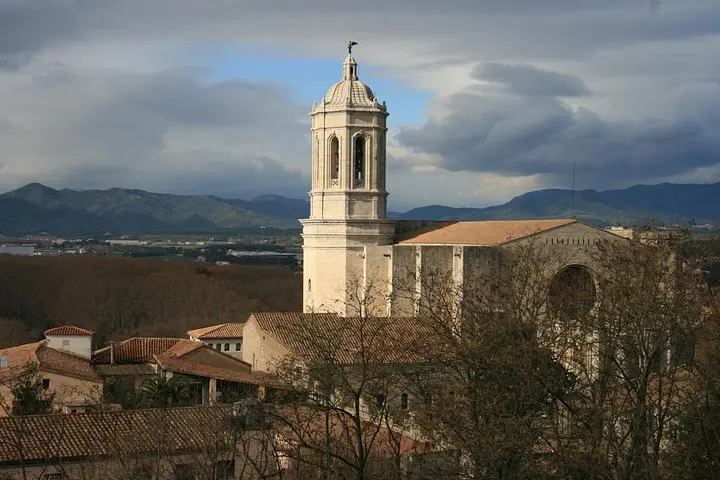
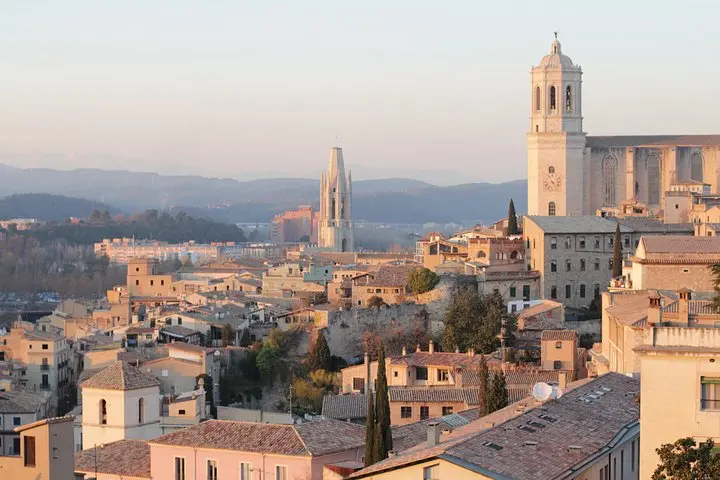
Girona’s center grew from a Roman settlement into a medieval crossroads. Its compact core keeps visible chapters: the sweeping Gothic nave of Girona Cathedral (noted for an exceptionally wide single span), the Benedictine-turned-museum at Sant Pere de Galligants, Moorish-style Arab baths, and El Call, one of Europe’s best-preserved medieval Jewish quarters until the expulsions of the late 15th century. The city’s defensive walls and the Passeig de la Muralla give a clear line to the region’s geology — limestone ridges cut by the Onyar and the Ter rivers — shaping vantage points over the Catalan plain.
Practically, expect cobbled streets, sudden stair climbs, and tight alleys that reward slow walking. The most efficient approach from Barcelona is by rail or a 1–1.5 hour drive; guided private tours combine transport with local context and tasting stops. Midday can be hot in summer; mornings and late afternoons offer softer light for photos and quieter streets. Bring comfortable shoes, a water bottle, and a sense of curiosity — your guide will point out architectural details, local cafés serving xuixo pastries, and quieter corners away from main tourist routes.
A Girona day is a compact mix of history, urban geology, and food: brisk to cover, generous in detail.
By car it's roughly 1–1.5 hours depending on traffic; high-speed trains can be around 40–60 minutes from central Barcelona stations.
Yes — the tour is rated easy with moderate walking; some stair sections may require slower pacing or rests for mobility-concerned guests.
Most private day-trip options include stops at local cafés and markets but typically do not include full meals unless specified—confirm with the operator before booking.
Advance tickets are recommended during high season; your guide can often arrange reservations to minimize wait times.
Yo Tours operates guided outdoor trips and adventures with an emphasis on safety, stewardship, and memorable experiences.
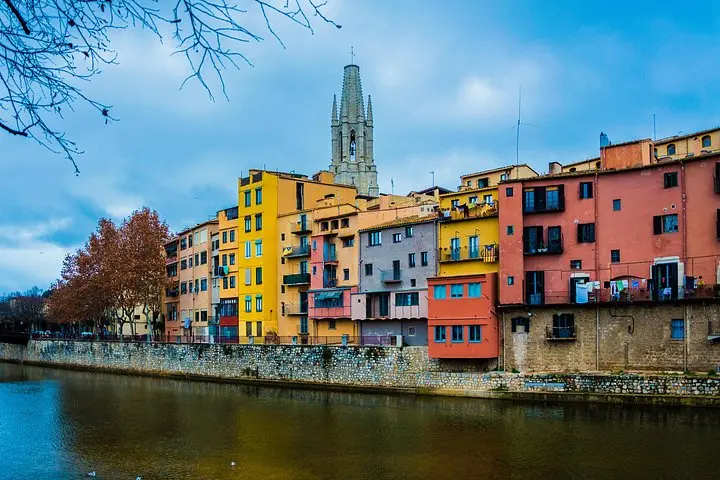

You step off the train and the Onyar River greets you — its row of painted façades daring you to look closer. The air carries the scent of espresso and frying pastry as narrow lanes funnel you toward the Cathedral steps, where stone staircases test your pace and the city opens in patient layers.
You step off the train and the Onyar River greets you — its row of painted façades daring you to look closer. The air carries the scent of espresso and frying pastry as narrow lanes funnel you toward the Cathedral steps, where stone staircases test your pace and the city opens in patient layers.
Girona’s center grew from a Roman settlement into a medieval crossroads. Its compact core keeps visible chapters: the sweeping Gothic nave of Girona Cathedral (noted for an exceptionally wide single span), the Benedictine-turned-museum at Sant Pere de Galligants, Moorish-style Arab baths, and El Call, one of Europe’s best-preserved medieval Jewish quarters until the expulsions of the late 15th century. The city’s defensive walls and the Passeig de la Muralla give a clear line to the region’s geology — limestone ridges cut by the Onyar and the Ter rivers — shaping vantage points over the Catalan plain.
Practically, expect cobbled streets, sudden stair climbs, and tight alleys that reward slow walking. The most efficient approach from Barcelona is by rail or a 1–1.5 hour drive; guided private tours combine transport with local context and tasting stops. Midday can be hot in summer; mornings and late afternoons offer softer light for photos and quieter streets. Bring comfortable shoes, a water bottle, and a sense of curiosity — your guide will point out architectural details, local cafés serving xuixo pastries, and quieter corners away from main tourist routes.
A Girona day is a compact mix of history, urban geology, and food: brisk to cover, generous in detail.