THE ADVENTURE COLLECTIVE® · Independent discovery and booking for outdoor travel

A compact 2‑day private circuit from Paris that pairs Monet’s gardens with the dramatic island‑abbey of Mont Saint‑Michel and the solemn D‑Day beaches. Expect long driving legs, steep abbey stairs, and powerful historical sites paired with regional food and coastal views.
A compact 2‑day private circuit from Paris that pairs Monet’s gardens with the dramatic island‑abbey of Mont Saint‑Michel and the solemn D‑Day beaches. Expect long driving legs, steep abbey stairs, and powerful historical sites paired with regional food and coastal views.
You arrive before dawn in the soft light of Normandy—water lilies glinting in Giverny, tidal flats opening like a map around Mont Saint‑Michel, and the Atlantic air still carrying echoes of 1944 along the beaches. The tour moves with purpose: Monet’s gardens first, then a long cross‑country drive to the island‑abbey, followed by a night in Caen and a second day across the D‑Day sites.
Verified experiences and guided adventures in the surrounding area.
Operated by Astra Via Tours · Le Mont-Saint-Michel, Normandy
You arrive before dawn in the soft light of Normandy—water lilies glinting in Giverny, tidal flats opening like a map around Mont Saint‑Michel, and the Atlantic air still carrying echoes of 1944 along the beaches. The tour moves with purpose: Monet’s gardens first, then a long cross‑country drive to the island‑abbey, followed by a night in Caen and a second day across the D‑Day sites.
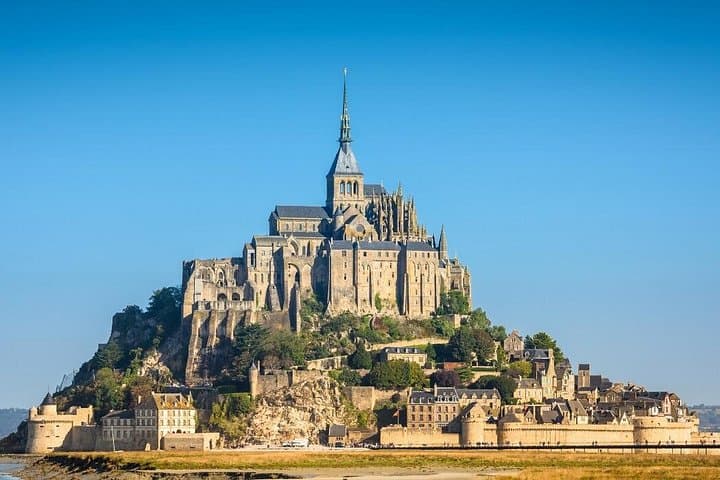
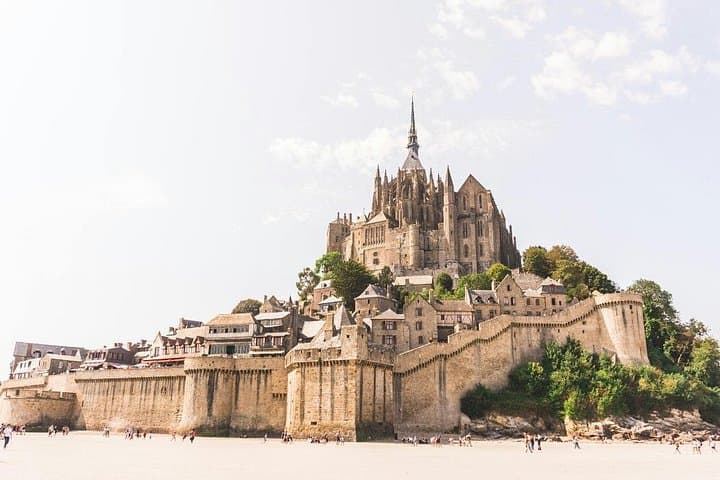
Giverny speaks of Impressionism and cultivated water gardens; Mont Saint‑Michel sits on a rocky islet formed of Precambrian and Paleozoic stones with medieval layers built upward like a city clinging to geology. The coastline’s low cliffs and sandy spits bore the brunt of Allied operations in 1944—Pointe du Hoc’s scars and the orderly rows of the Normandy American Cemetery tell a story of landscape shaped by human conflict and commemoration.
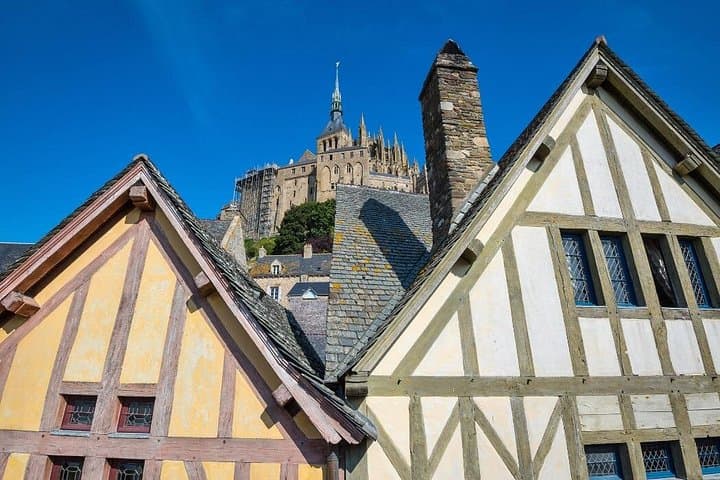
Locals still prize small seafood restaurants and village bakeries; Caen blends post‑war reconstruction with Norman stone churches. For planning: expect long drives—one leg to Mont Saint‑Michel runs about three hours—so bring a compact daypack. Walking at each site includes uneven cobbles, steep abbey stairways, and exposed shorelines; good footwear and layered clothing are essential. Allow time for quiet at memorials and plan for narrow pedestrian streets at Mont Saint‑Michel in late afternoon light.
Practical timing: start early in Giverny to beat crowds, reserve museum tickets where possible, and pack a reusable water bottle. The trip balances art, sweeping coastal geology, and solemn history—each stop asks you to slow down and take in both view and story.
The tour includes long vehicle transfers and sites with stairs and uneven ground; it’s suitable for families but older adults or young children should be prepared for walking and limited mobility at some locations.
Most admissions listed (e.g., Monet’s house, Caen Memorial) and two lunches plus hotel breakfast are included; check booking details and bring cash for incidental purchases.
Expect roughly three hours each way to Mont Saint‑Michel from Giverny/Paris and additional transfers between Caen and D‑Day sites—plan for multiple multi‑hour legs across the two days.
Access follows tidal conditions and pedestrian causeway rules; guides plan arrival times to ensure safe and legal access, but exact shoreline conditions can alter timing.
Astra Via Tours operates guided outdoor trips and adventures with an emphasis on safety, stewardship, and memorable experiences.

You arrive before dawn in the soft light of Normandy—water lilies glinting in Giverny, tidal flats opening like a map around Mont Saint‑Michel, and the Atlantic air still carrying echoes of 1944 along the beaches. The tour moves with purpose: Monet’s gardens first, then a long cross‑country drive to the island‑abbey, followed by a night in Caen and a second day across the D‑Day sites.
You arrive before dawn in the soft light of Normandy—water lilies glinting in Giverny, tidal flats opening like a map around Mont Saint‑Michel, and the Atlantic air still carrying echoes of 1944 along the beaches. The tour moves with purpose: Monet’s gardens first, then a long cross‑country drive to the island‑abbey, followed by a night in Caen and a second day across the D‑Day sites.
Giverny speaks of Impressionism and cultivated water gardens; Mont Saint‑Michel sits on a rocky islet formed of Precambrian and Paleozoic stones with medieval layers built upward like a city clinging to geology. The coastline’s low cliffs and sandy spits bore the brunt of Allied operations in 1944—Pointe du Hoc’s scars and the orderly rows of the Normandy American Cemetery tell a story of landscape shaped by human conflict and commemoration.
Locals still prize small seafood restaurants and village bakeries; Caen blends post‑war reconstruction with Norman stone churches. For planning: expect long drives—one leg to Mont Saint‑Michel runs about three hours—so bring a compact daypack. Walking at each site includes uneven cobbles, steep abbey stairways, and exposed shorelines; good footwear and layered clothing are essential. Allow time for quiet at memorials and plan for narrow pedestrian streets at Mont Saint‑Michel in late afternoon light.
Practical timing: start early in Giverny to beat crowds, reserve museum tickets where possible, and pack a reusable water bottle. The trip balances art, sweeping coastal geology, and solemn history—each stop asks you to slow down and take in both view and story.