THE ADVENTURE COLLECTIVE® · Independent discovery and booking for outdoor travel
Spend a day moving from the galleries of the Egyptian Museum in Tahrir Square to the vast openness of the Giza Plateau. This private tour pairs up-close history with sweeping desert views—here’s what to expect and how to prepare.
Spend a day moving from the galleries of the Egyptian Museum in Tahrir Square to the vast openness of the Giza Plateau. This private tour pairs up-close history with sweeping desert views—here’s what to expect and how to prepare.
You step from your vehicle into a wash of light and limestone: the Giza plateau spreads like an open book, its stones keeping time with a civilization that planned in centuries.
Verified experiences and guided adventures in the surrounding area.
Operated by Egypt Tour Guide - Kerolos Gamal · Cairo, Cairo Governorate
You step from your vehicle into a wash of light and limestone: the Giza plateau spreads like an open book, its stones keeping time with a civilization that planned in centuries.
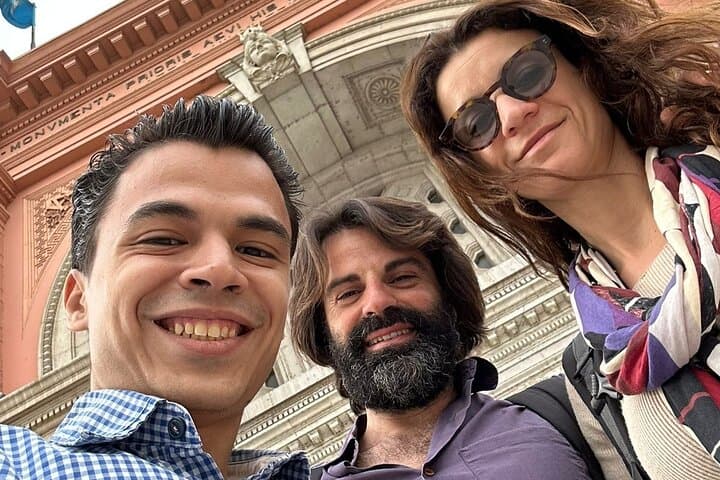
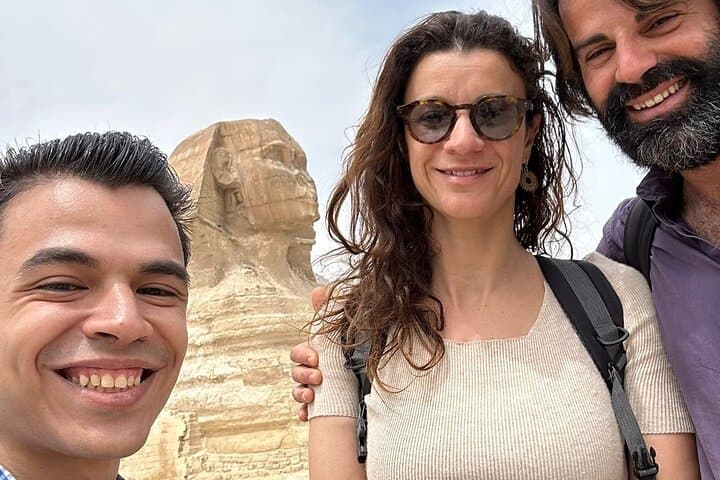
The day begins in downtown Cairo at Tahrir Square, where the Egyptian Museum opens its rooms like chapters—gold leaf and funerary masks from dynasties that shaped the Nile’s floodplain. Moving west, the city gives way to the broad, dry sweep of the plateau; the Great Pyramid rises, immovable and precise, while the Sphinx watches the procession of visitors.
Geology here is blunt and immediate: layers of Eocene limestone and sandy bedrock quarried by pharaonic engineers. History is older—Fourth Dynasty pharaohs erected these monuments around 4,500 years ago as alignment, astronomy, and labor converged. Culture pulses in the markets and the steady talk of guides who keep context close at hand.
Practically, expect a mix of museum galleries and open desert walking. The itinerary typically includes 2–3 hours inside the museum (highlights guided) and 1–2 hours at Giza’s panoramic viewpoint, the Queens’ Pyramids, and the Valley Temple near the Sphinx. Wear sturdy shoes for uneven surfaces, bring sun protection, and carry water—the plateau offers little shade and the sun drives the day.
Ticketing for museum and pyramid entry is commonly separate; your guide will advise where to queue and when to photograph. Move deliberately, respect restricted zones, and leave time to absorb the scale—this is a tour that pairs close-up artifacts with landscapes that still dare you to measure them.
No—this tour typically includes private transport and guidance; museum and pyramid admission fees are paid separately on-site.
The tour notes wheelchair accessibility at many surfaces and transport, but access within older museum galleries and certain plateau areas can be limited—check in advance for specific needs.
Access to interior chambers in pyramids is controlled and may require separate tickets; the Sphinx’s inner areas are not open to public entry.
Private tours often offer guides in English and other major languages; confirm language needs when booking to ensure the right guide is provided.
Egypt Tour Guide - Kerolos Gamal operates guided outdoor trips and adventures with an emphasis on safety, stewardship, and memorable experiences.
You step from your vehicle into a wash of light and limestone: the Giza plateau spreads like an open book, its stones keeping time with a civilization that planned in centuries.
You step from your vehicle into a wash of light and limestone: the Giza plateau spreads like an open book, its stones keeping time with a civilization that planned in centuries.
The day begins in downtown Cairo at Tahrir Square, where the Egyptian Museum opens its rooms like chapters—gold leaf and funerary masks from dynasties that shaped the Nile’s floodplain. Moving west, the city gives way to the broad, dry sweep of the plateau; the Great Pyramid rises, immovable and precise, while the Sphinx watches the procession of visitors.
Geology here is blunt and immediate: layers of Eocene limestone and sandy bedrock quarried by pharaonic engineers. History is older—Fourth Dynasty pharaohs erected these monuments around 4,500 years ago as alignment, astronomy, and labor converged. Culture pulses in the markets and the steady talk of guides who keep context close at hand.
Practically, expect a mix of museum galleries and open desert walking. The itinerary typically includes 2–3 hours inside the museum (highlights guided) and 1–2 hours at Giza’s panoramic viewpoint, the Queens’ Pyramids, and the Valley Temple near the Sphinx. Wear sturdy shoes for uneven surfaces, bring sun protection, and carry water—the plateau offers little shade and the sun drives the day.
Ticketing for museum and pyramid entry is commonly separate; your guide will advise where to queue and when to photograph. Move deliberately, respect restricted zones, and leave time to absorb the scale—this is a tour that pairs close-up artifacts with landscapes that still dare you to measure them.
