THE ADVENTURE COLLECTIVE® · Independent discovery and booking for outdoor travel

Fly from Marsa Alam to Cairo and spend a long, full day exploring the Giza Pyramids, the Sphinx, the Egyptian Museum, and Cairo’s historic Khan el-Khalili bazaar. Practical transfers, entrance fees and a local Egyptologist guide are included to keep the day moving.
Fly from Marsa Alam to Cairo and spend a long, full day exploring the Giza Pyramids, the Sphinx, the Egyptian Museum, and Cairo’s historic Khan el-Khalili bazaar. Practical transfers, entrance fees and a local Egyptologist guide are included to keep the day moving.
You lift off from the Red Sea coast before dawn and land in a different century: the Giza Plateau rising out of the desert, the three great pyramids cutting clean silhouettes against a low, dusty sun. The air is dry and the stone is warm; the Sphinx watches as you move from one monument to the next, while the city hums beyond the plateau.
Verified experiences and guided adventures in the surrounding area.
Operated by Canary Tours Egypt · Giza, Giza Governorate
You lift off from the Red Sea coast before dawn and land in a different century: the Giza Plateau rising out of the desert, the three great pyramids cutting clean silhouettes against a low, dusty sun. The air is dry and the stone is warm; the Sphinx watches as you move from one monument to the next, while the city hums beyond the plateau.
The pyramids of Khufu, Khafre and Menkaure are the last survivors of the ancient world’s wonders — built from local limestone and granite roughly 4,500 years ago as royal funerary complexes. Geology here matters: the plateau’s bedrock provided the foundation for massive blocks and the nearby quarries yielded the Tura limestone that skins many monuments. Later layers of Cairo tell Islamic and modern chapters — the Egyptian Museum houses pharaonic treasures, while Khan el-Khalili bazaar traces centuries of trade and craft.
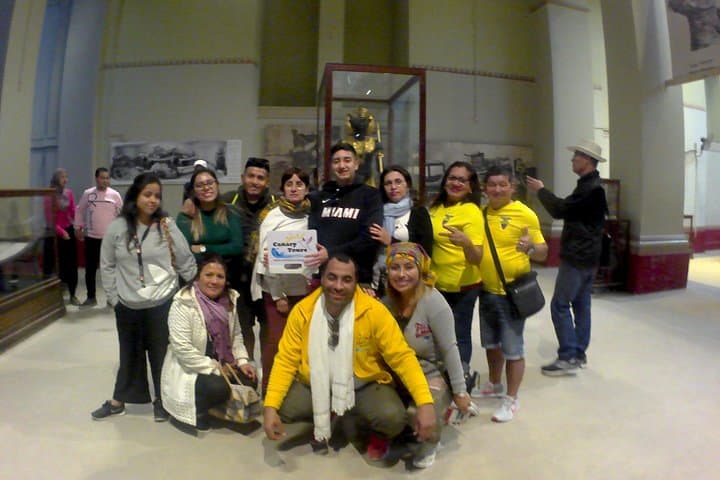
Practically, this is a long but accessible day: expect roughly 2 hours on the plateau viewing and photographing the pyramids and Sphinx, about 2 hours inside the Egyptian Museum, plus airport transfers and a return flight the same day. Wear sturdy walking shoes for uneven stone and sand, bring sun protection and a light scarf for dust and temple interiors, and carry identification — passport and any required visas. The schedule is tight; follow your guide’s timing, respect restricted areas, and budget a little cash for bazaar haggling. If you want a calmer visit, aim for the earliest flights; the light is best and the plateau is less crowded. This trip compresses centuries of history into a day — intense, exhilarating and utterly tangible.
Yes — round-trip flights between Hurghada (or Hurghada airport transfer from Marsa Alam) and Cairo are included as noted in the itinerary.
Entrance fees to the sites listed in the itinerary are included; access to interior chambers (such as inside Khufu) can be limited, require separate permits or be closed for conservation.
The tour notes wheelchair accessibility in many areas and transfers by private vehicle, but the Giza Plateau includes uneven ground and steps; check with the operator about specific mobility support before booking.
Typical stops allocate about 2 hours at the Giza Plateau and 2 hours at the Egyptian Museum, plus time in Islamic Cairo and transfers, but exact timings depend on flight schedules and group pace.
Canary Tours Egypt operates guided outdoor trips and adventures with an emphasis on safety, stewardship, and memorable experiences.
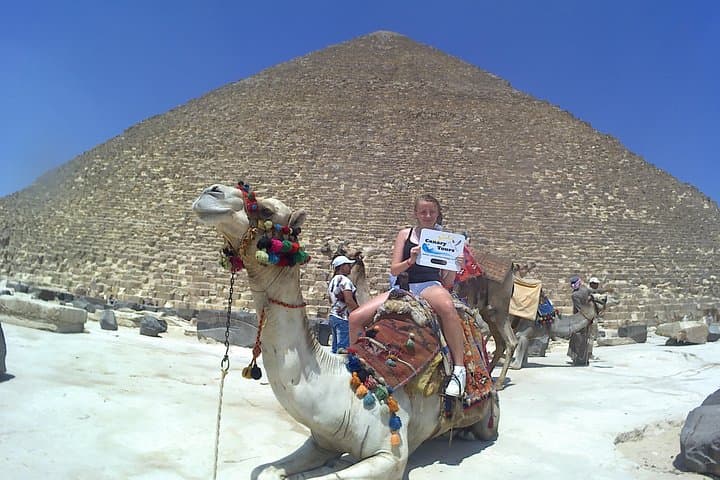
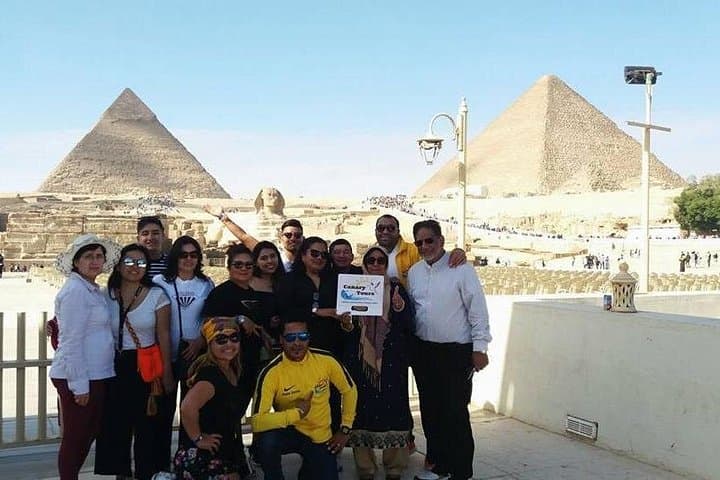
You lift off from the Red Sea coast before dawn and land in a different century: the Giza Plateau rising out of the desert, the three great pyramids cutting clean silhouettes against a low, dusty sun. The air is dry and the stone is warm; the Sphinx watches as you move from one monument to the next, while the city hums beyond the plateau.
You lift off from the Red Sea coast before dawn and land in a different century: the Giza Plateau rising out of the desert, the three great pyramids cutting clean silhouettes against a low, dusty sun. The air is dry and the stone is warm; the Sphinx watches as you move from one monument to the next, while the city hums beyond the plateau.
The pyramids of Khufu, Khafre and Menkaure are the last survivors of the ancient world’s wonders — built from local limestone and granite roughly 4,500 years ago as royal funerary complexes. Geology here matters: the plateau’s bedrock provided the foundation for massive blocks and the nearby quarries yielded the Tura limestone that skins many monuments. Later layers of Cairo tell Islamic and modern chapters — the Egyptian Museum houses pharaonic treasures, while Khan el-Khalili bazaar traces centuries of trade and craft.
Practically, this is a long but accessible day: expect roughly 2 hours on the plateau viewing and photographing the pyramids and Sphinx, about 2 hours inside the Egyptian Museum, plus airport transfers and a return flight the same day. Wear sturdy walking shoes for uneven stone and sand, bring sun protection and a light scarf for dust and temple interiors, and carry identification — passport and any required visas. The schedule is tight; follow your guide’s timing, respect restricted areas, and budget a little cash for bazaar haggling. If you want a calmer visit, aim for the earliest flights; the light is best and the plateau is less crowded. This trip compresses centuries of history into a day — intense, exhilarating and utterly tangible.