THE ADVENTURE COLLECTIVE® · Independent discovery and booking for outdoor travel

Stand before the Great Pyramid with an Egyptologist at your side, then ride a camel across the panoramic plateau and finish with lunch on a five-star Nile cruise. This private, all-inclusive half-day tour mixes focused history with practical logistics for first-time visitors.
Stand before the Great Pyramid with an Egyptologist at your side, then ride a camel across the panoramic plateau and finish with lunch on a five-star Nile cruise. This private, all-inclusive half-day tour mixes focused history with practical logistics for first-time visitors.
You step from an air-conditioned van and the desert opens like a patient audience — sand and stone holding stories older than most maps. The three great pyramids rise in sequence, their edges hard against the blue; the Sphinx squints into the wind as camels shift, impatient and steady. A local Egyptologist leads the way, pointing to masonry joints and procession routes while the plateau smells faintly of dust and toasted sun.
Verified experiences and guided adventures in the surrounding area.
Operated by bes Egypt tours - day tours · Giza, Giza Governorate
You step from an air-conditioned van and the desert opens like a patient audience — sand and stone holding stories older than most maps. The three great pyramids rise in sequence, their edges hard against the blue; the Sphinx squints into the wind as camels shift, impatient and steady. A local Egyptologist leads the way, pointing to masonry joints and procession routes while the plateau smells faintly of dust and toasted sun.
These monuments date to Egypt’s Fourth Dynasty (c. 2600–2500 BCE), the Great Pyramid attributed to Pharaoh Khufu. The Giza Plateau sits on limestone bedrock with quarried casing stones once polished to bright white; erosion and centuries of reuse exposed the raw blocks you now walk on. Nearby culture is immediate — vendors, relic restorations, and the Solar Boat Museum’s reconstructed cedar vessel whisper of funerary technology and ritual. The Valley Temple’s pink granite still reads like a carving manual for kings.
Practically: the tour includes entry to the second or third pyramid (limited access inside), a 30-minute camel ride on the panoramic plateau, and lunch on a five-star Nile cruise. Plan for strong sun, dusty steps and uneven rock underfoot. Wear closed-toe shoes with good tread, a sun hat, and breathable layers; carry at least 1–2 liters of water and sunscreen. Cameras are welcome but respect barriers and guides’ directions. Expect moderate walking over 2–3 km on mixed terrain, short climbs, and tight interior passages if you go inside a pyramid. Cash in local currency is handy for small purchases and tipping guides. The rhythm of the place is deliberate: move slowly, listen when stones speak, and leave only footprints.
Access to the Great Pyramid is restricted and often limited; this tour typically includes entry to the second or third pyramid—confirm on booking and expect narrow, low passages.
Handlers manage mounting and short rides; notify the operator of mobility concerns—young children and those with balance issues may need to skip the ride.
Yes—this private tour includes hotel pickup/drop-off and lunch on a five-star Nile cruise, plus bottled water during the day.
Tipping is customary; many visitors give guides the equivalent of $10–20 USD depending on service, and smaller amounts for drivers and handlers.
bes Egypt tours - day tours operates guided outdoor trips and adventures with an emphasis on safety, stewardship, and memorable experiences.
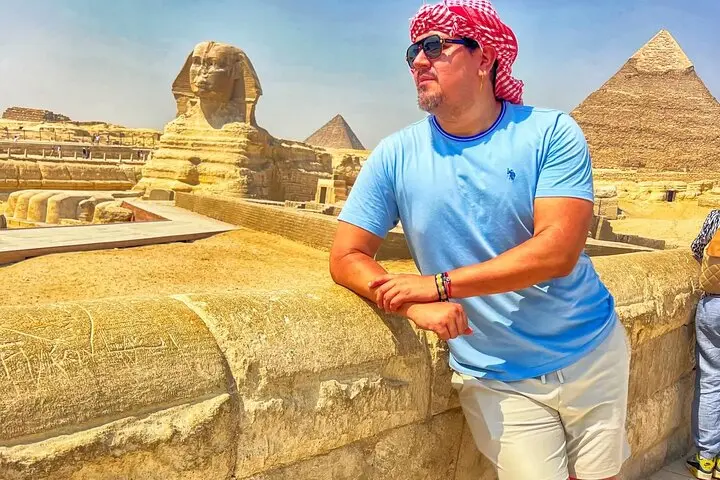
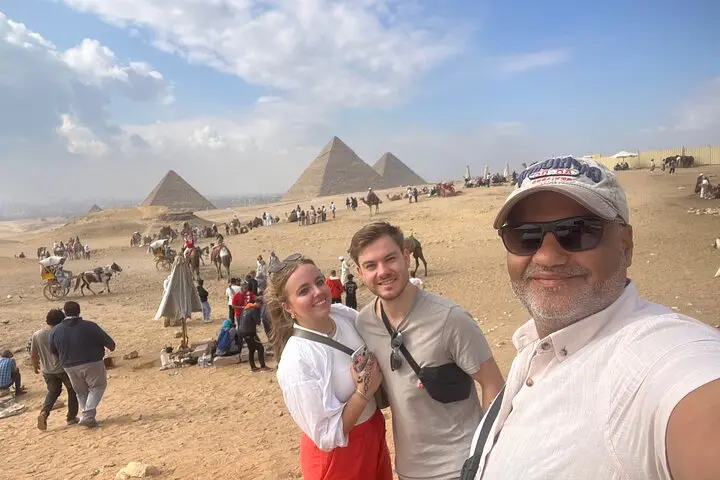
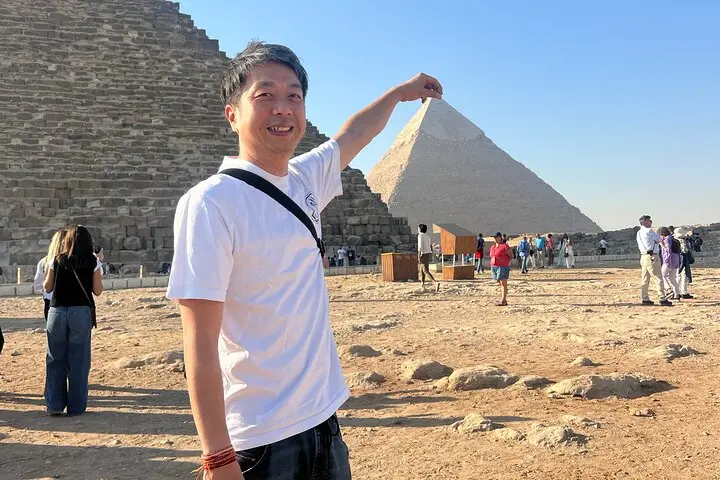
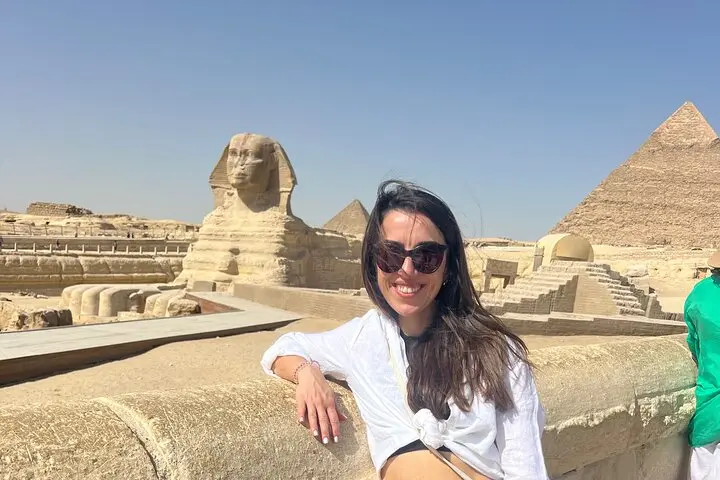
You step from an air-conditioned van and the desert opens like a patient audience — sand and stone holding stories older than most maps. The three great pyramids rise in sequence, their edges hard against the blue; the Sphinx squints into the wind as camels shift, impatient and steady. A local Egyptologist leads the way, pointing to masonry joints and procession routes while the plateau smells faintly of dust and toasted sun.
You step from an air-conditioned van and the desert opens like a patient audience — sand and stone holding stories older than most maps. The three great pyramids rise in sequence, their edges hard against the blue; the Sphinx squints into the wind as camels shift, impatient and steady. A local Egyptologist leads the way, pointing to masonry joints and procession routes while the plateau smells faintly of dust and toasted sun.
These monuments date to Egypt’s Fourth Dynasty (c. 2600–2500 BCE), the Great Pyramid attributed to Pharaoh Khufu. The Giza Plateau sits on limestone bedrock with quarried casing stones once polished to bright white; erosion and centuries of reuse exposed the raw blocks you now walk on. Nearby culture is immediate — vendors, relic restorations, and the Solar Boat Museum’s reconstructed cedar vessel whisper of funerary technology and ritual. The Valley Temple’s pink granite still reads like a carving manual for kings.
Practically: the tour includes entry to the second or third pyramid (limited access inside), a 30-minute camel ride on the panoramic plateau, and lunch on a five-star Nile cruise. Plan for strong sun, dusty steps and uneven rock underfoot. Wear closed-toe shoes with good tread, a sun hat, and breathable layers; carry at least 1–2 liters of water and sunscreen. Cameras are welcome but respect barriers and guides’ directions. Expect moderate walking over 2–3 km on mixed terrain, short climbs, and tight interior passages if you go inside a pyramid. Cash in local currency is handy for small purchases and tipping guides. The rhythm of the place is deliberate: move slowly, listen when stones speak, and leave only footprints.