THE ADVENTURE COLLECTIVE® · Independent discovery and booking for outdoor travel

Combine close-up visits to the Great Pyramids and Sphinx with a one-hour quad bike run across the Giza Plateau. This private half-day tour balances archaeological insight from a licensed Egyptologist with the rough exhilaration of desert riding.
Combine close-up visits to the Great Pyramids and Sphinx with a one-hour quad bike run across the Giza Plateau. This private half-day tour balances archaeological insight from a licensed Egyptologist with the rough exhilaration of desert riding.
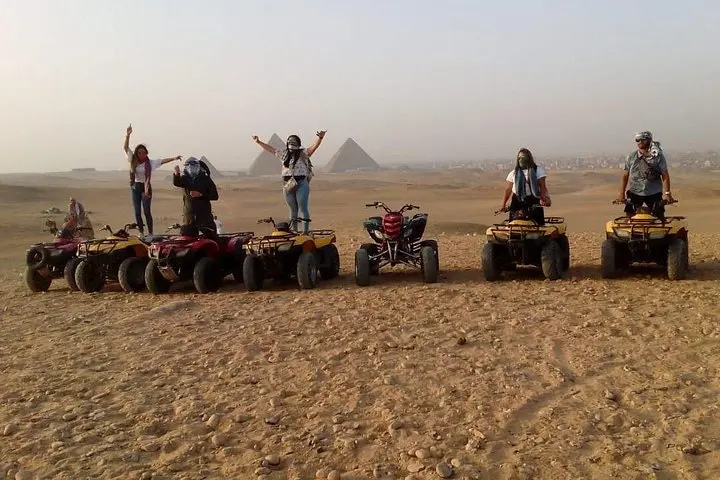
The sun has already baked the plateau when your vehicle eases off the paved road and into wind-scoured sand. Ahead, the three great pyramids sit like hulking script against the sky; behind them the desert stretches, ready for the single-hour quad loop that will push you along ridges and between low dunes. The engine thumps, sand sprinkles the air, and the Sphinx watches, its carved face older than many modern nations.
Verified experiences and guided adventures in the surrounding area.
Operated by Twitter Egypt Travel · Giza, Giza Governorate
The sun has already baked the plateau when your vehicle eases off the paved road and into wind-scoured sand. Ahead, the three great pyramids sit like hulking script against the sky; behind them the desert stretches, ready for the single-hour quad loop that will push you along ridges and between low dunes. The engine thumps, sand sprinkles the air, and the Sphinx watches, its carved face older than many modern nations.
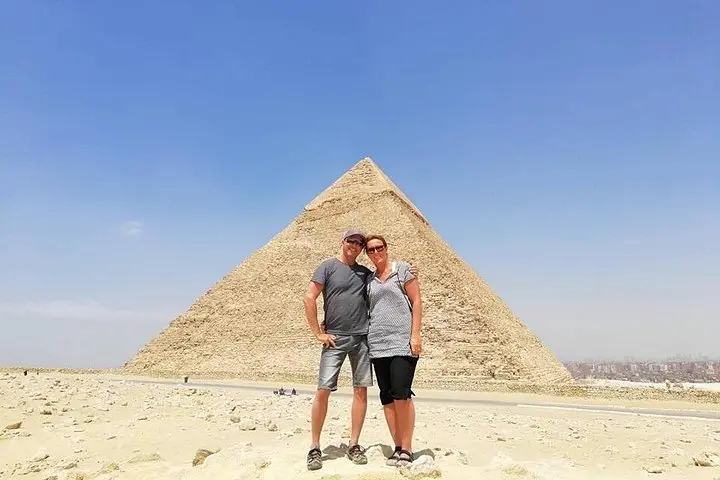
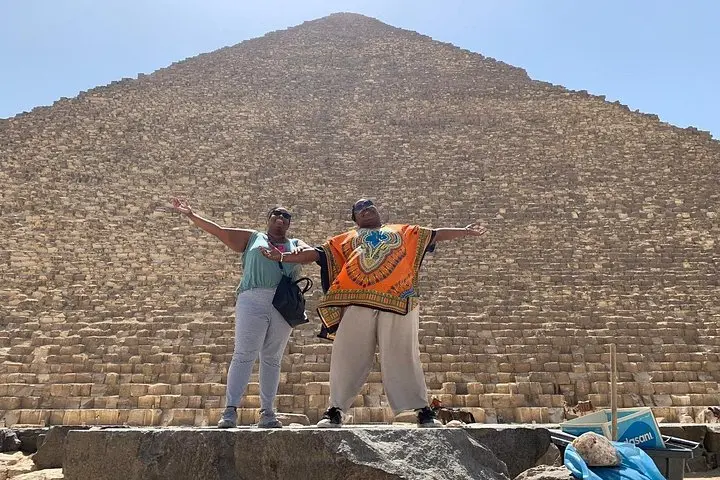
This is the Giza Plateau — limestone beds deposited millions of years ago and later sculpted into the tombs of 4th Dynasty pharaohs (c. 2613–2494 BC). The pyramids of Khufu, Khafre and Menkaure dominate the skyline; the Sphinx, hewn from living bedrock, keeps silent guard. Cultural life here is layered: ancient funerary complexes, Ottoman-era structures nearby, and modern vendors serving mint tea and local crafts.
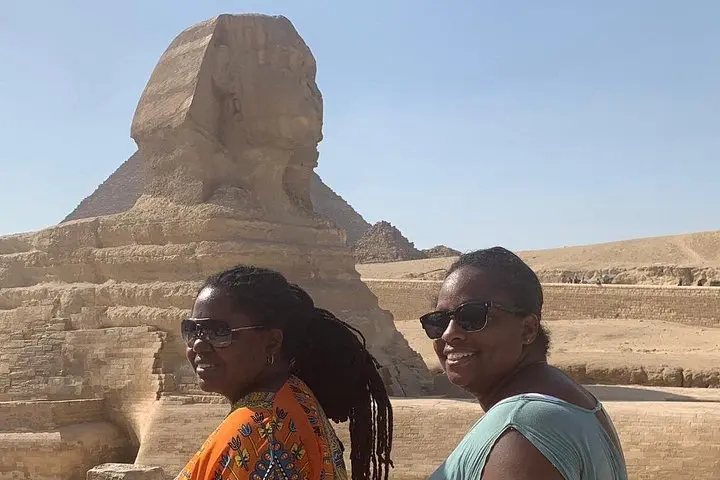
Expect a day that alternates between close study of monumental stone and raw desert motion. The quad portion is short but physical: loose sand, occasional washouts, and gusts of dust. Photography opportunities shift quickly — wide-angle views of the plateau, intimate shots at the Sphinx, and low-slung desert panoramas at golden hour.
Practical side: book morning or late-afternoon slots to avoid peak heat, wear closed shoes and long sleeves for dust protection, carry at least 1–2 liters of water, and respect site rules (no climbing the monuments). A knowledgeable Egyptologist guide will ground the ride in history while keeping it safe; follow their briefing and helmet rules. With a bit of preparation, this combination of cultural immersion and desert riding delivers a compact, memorable day outside Cairo.
Yes — the tour includes a safety briefing and short practice; riders should have moderate fitness and follow the instructor’s limits.
Admission is typically included for standard pyramid complex access on organized tours, but extras like entering the Great Pyramid or special tombs may require additional tickets.
No — climbing is illegal and actively enforced; keep a respectful distance and follow site staff instructions.
Yes — private transportation with hotel pickup and drop-off in Cairo or Giza is included in this tour.
Twitter Egypt Travel operates guided outdoor trips and adventures with an emphasis on safety, stewardship, and memorable experiences.
The sun has already baked the plateau when your vehicle eases off the paved road and into wind-scoured sand. Ahead, the three great pyramids sit like hulking script against the sky; behind them the desert stretches, ready for the single-hour quad loop that will push you along ridges and between low dunes. The engine thumps, sand sprinkles the air, and the Sphinx watches, its carved face older than many modern nations.
The sun has already baked the plateau when your vehicle eases off the paved road and into wind-scoured sand. Ahead, the three great pyramids sit like hulking script against the sky; behind them the desert stretches, ready for the single-hour quad loop that will push you along ridges and between low dunes. The engine thumps, sand sprinkles the air, and the Sphinx watches, its carved face older than many modern nations.
This is the Giza Plateau — limestone beds deposited millions of years ago and later sculpted into the tombs of 4th Dynasty pharaohs (c. 2613–2494 BC). The pyramids of Khufu, Khafre and Menkaure dominate the skyline; the Sphinx, hewn from living bedrock, keeps silent guard. Cultural life here is layered: ancient funerary complexes, Ottoman-era structures nearby, and modern vendors serving mint tea and local crafts.
Expect a day that alternates between close study of monumental stone and raw desert motion. The quad portion is short but physical: loose sand, occasional washouts, and gusts of dust. Photography opportunities shift quickly — wide-angle views of the plateau, intimate shots at the Sphinx, and low-slung desert panoramas at golden hour.
Practical side: book morning or late-afternoon slots to avoid peak heat, wear closed shoes and long sleeves for dust protection, carry at least 1–2 liters of water, and respect site rules (no climbing the monuments). A knowledgeable Egyptologist guide will ground the ride in history while keeping it safe; follow their briefing and helmet rules. With a bit of preparation, this combination of cultural immersion and desert riding delivers a compact, memorable day outside Cairo.