THE ADVENTURE COLLECTIVE® · Independent discovery and booking for outdoor travel

Experience the Giza Plateau in a single day: a private, air-conditioned drive to the Great Pyramids, a 30-minute camel ride across open sand, a walk past the Sphinx and a guided visit to the Grand Egyptian Museum. Practical tips included for timing, attire, and what’s not included.
Experience the Giza Plateau in a single day: a private, air-conditioned drive to the Great Pyramids, a 30-minute camel ride across open sand, a walk past the Sphinx and a guided visit to the Grand Egyptian Museum. Practical tips included for timing, attire, and what’s not included.
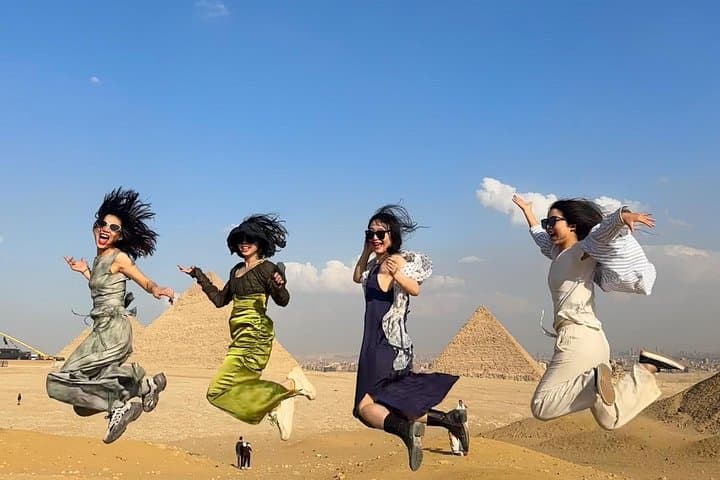
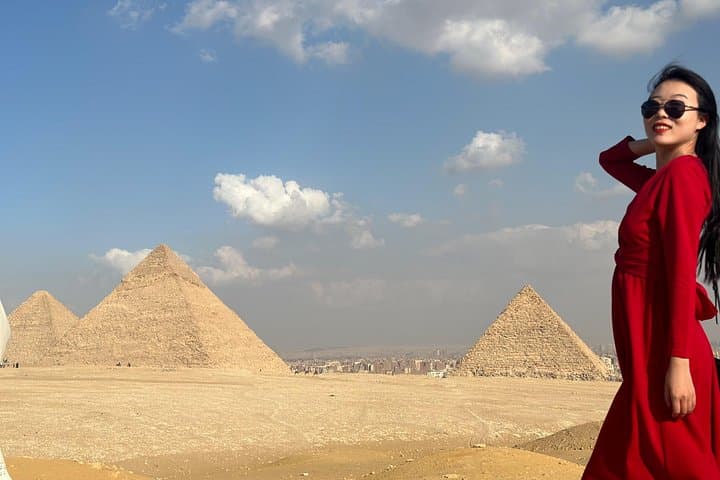
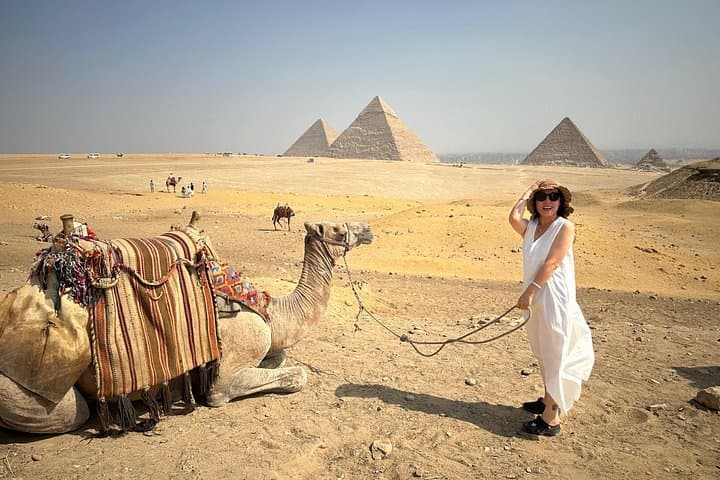
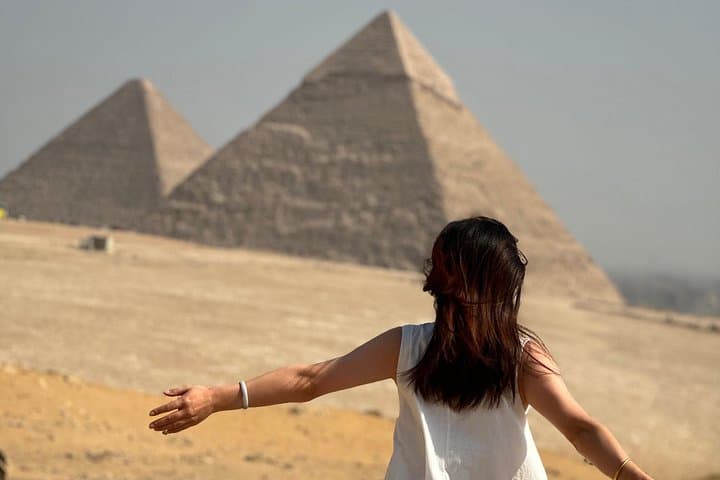
You arrive on a low, dry wind that seems to push the desert forward, and the pyramids sit like stone ships on the horizon—massive, precise, and patient. The camel ride threads you through open sand between the monuments, the animal’s slow, rocking gait making the colossal shapes grow and shrink with each ascent and descent of the dune.
Verified experiences and guided adventures in the surrounding area.
Operated by Travel all Egypt · Cairo, Giza
You arrive on a low, dry wind that seems to push the desert forward, and the pyramids sit like stone ships on the horizon—massive, precise, and patient. The camel ride threads you through open sand between the monuments, the animal’s slow, rocking gait making the colossal shapes grow and shrink with each ascent and descent of the dune.
The Giza Plateau holds more than tombs: 4,600 years of Fourth Dynasty funerary engineering, limestone quarried from nearby ridges, and the Sphinx—an enigmatic guardian carved from the bedrock, weathered by millennia of wind and salt. Modern Egypt folds in behind these ancient markers; the Grand Egyptian Museum, opened recently, organizes more than 100,000 artifacts into thematic galleries that trace Old, Middle and New Kingdoms and the Greco-Roman aftermath.
Expect a day that combines short walks, archaeological viewing, and a roughly 30-minute guided camel ride with photo stops. The camel ride offers a broad-angle view of the three main pyramids; the Sphinx and valley temple lie closer to flat, compact sand suitable for a short stroll.
Practical guidance: wear sturdy closed-toe shoes for the plateau and light breathable layers—sun is intense and shade is minimal. Carry a refillable water bottle and sunscreen; bottled water is typically provided on tours but having extras helps. Bring cash for onsite fees, tips, and small purchases. Aim to start early in the morning to avoid peak heat and busiest crowds; late afternoon light is better for photography but hotter overall.
This is cultural archaeology you can walk into: a compact, sensory day that balances panoramic desert views with curated museum context.
Admission is typically not included—confirm with your tour operator and be prepared to pay onsite; the Grand Egyptian Museum has its own ticketing.
The offered camel ride is around 30 minutes with multiple photo stops across the plateau.
Yes—this private tour includes round-trip pickup and drop-off by air-conditioned vehicle from most Cairo-area hotels.
Modest, comfortable clothing is recommended—cover shoulders and knees out of cultural respect; footwear appropriate for walking is required.
Travel all Egypt operates guided outdoor trips and adventures with an emphasis on safety, stewardship, and memorable experiences.
You arrive on a low, dry wind that seems to push the desert forward, and the pyramids sit like stone ships on the horizon—massive, precise, and patient. The camel ride threads you through open sand between the monuments, the animal’s slow, rocking gait making the colossal shapes grow and shrink with each ascent and descent of the dune.
You arrive on a low, dry wind that seems to push the desert forward, and the pyramids sit like stone ships on the horizon—massive, precise, and patient. The camel ride threads you through open sand between the monuments, the animal’s slow, rocking gait making the colossal shapes grow and shrink with each ascent and descent of the dune.
The Giza Plateau holds more than tombs: 4,600 years of Fourth Dynasty funerary engineering, limestone quarried from nearby ridges, and the Sphinx—an enigmatic guardian carved from the bedrock, weathered by millennia of wind and salt. Modern Egypt folds in behind these ancient markers; the Grand Egyptian Museum, opened recently, organizes more than 100,000 artifacts into thematic galleries that trace Old, Middle and New Kingdoms and the Greco-Roman aftermath.
Expect a day that combines short walks, archaeological viewing, and a roughly 30-minute guided camel ride with photo stops. The camel ride offers a broad-angle view of the three main pyramids; the Sphinx and valley temple lie closer to flat, compact sand suitable for a short stroll.
Practical guidance: wear sturdy closed-toe shoes for the plateau and light breathable layers—sun is intense and shade is minimal. Carry a refillable water bottle and sunscreen; bottled water is typically provided on tours but having extras helps. Bring cash for onsite fees, tips, and small purchases. Aim to start early in the morning to avoid peak heat and busiest crowds; late afternoon light is better for photography but hotter overall.
This is cultural archaeology you can walk into: a compact, sensory day that balances panoramic desert views with curated museum context.