THE ADVENTURE COLLECTIVE® · Independent discovery and booking for outdoor travel

Stand beneath the Great Pyramid and ride a camel across a windswept plateau before touring the Egyptian Museum’s treasures. This private day trip pairs close-up archaeology with practical tips for beating heat and crowds.
Stand beneath the Great Pyramid and ride a camel across a windswept plateau before touring the Egyptian Museum’s treasures. This private day trip pairs close-up archaeology with practical tips for beating heat and crowds.
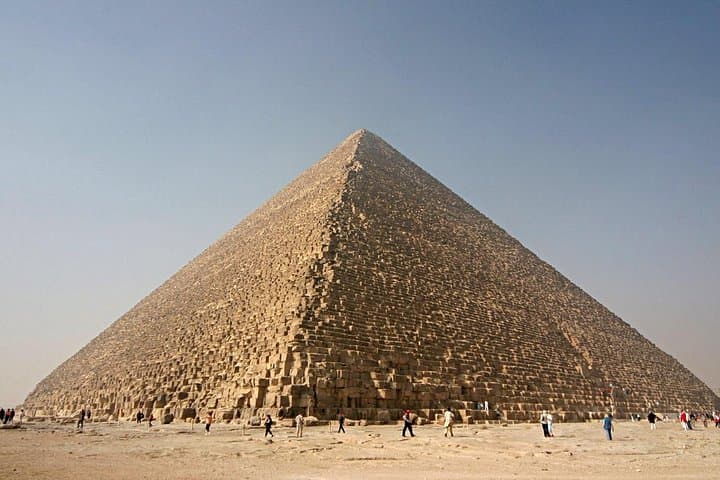
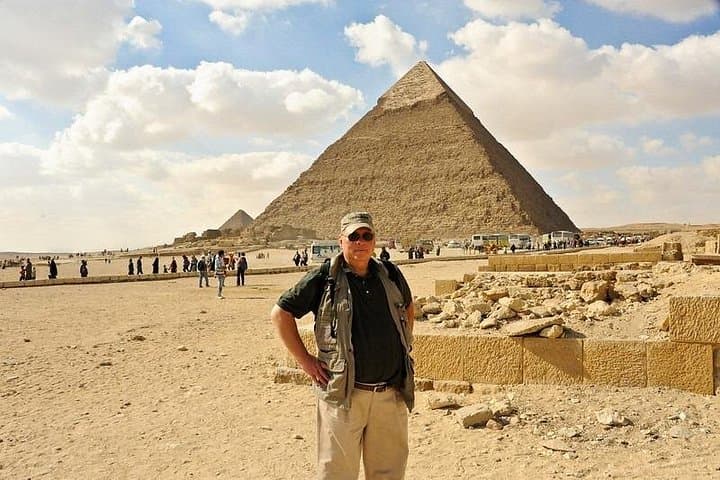
The morning light across the Giza Plateau strips the city’s heat down to a sharp, dry clarity — limestone faces glow and wind lifts sand along the base of the Great Pyramid. A private guide meets you at your hotel, and within an hour you’re standing where pharaohs were entombed, the scale of the pyramids arresting in a way photos rarely manage.
Verified experiences and guided adventures in the surrounding area.
Operated by Grand Egypt Tours · Giza, Giza Governorate
The morning light across the Giza Plateau strips the city’s heat down to a sharp, dry clarity — limestone faces glow and wind lifts sand along the base of the Great Pyramid. A private guide meets you at your hotel, and within an hour you’re standing where pharaohs were entombed, the scale of the pyramids arresting in a way photos rarely manage.
These stone giants date to the Old Kingdom (c. 2600–2500 BCE); Khufu’s (Cheops) pyramid is the largest and was a feat of engineering using local Tura limestone and granite quarried upriver. The plateau itself is a compact, mostly flat rise of sedimentary rock that exposes layers of Nile-deposited sand and fossilized marine deposits — proof that this desert was once sea. Culturally, the site has been a focal point of Egyptian identity for millennia, now balanced with tourism and conservation efforts.
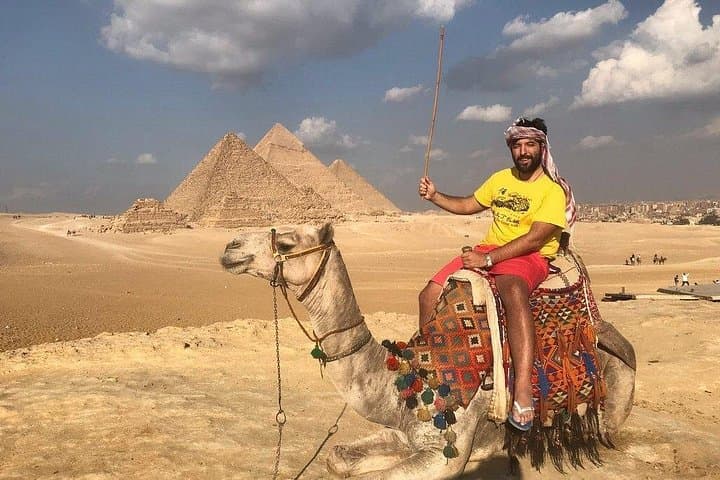
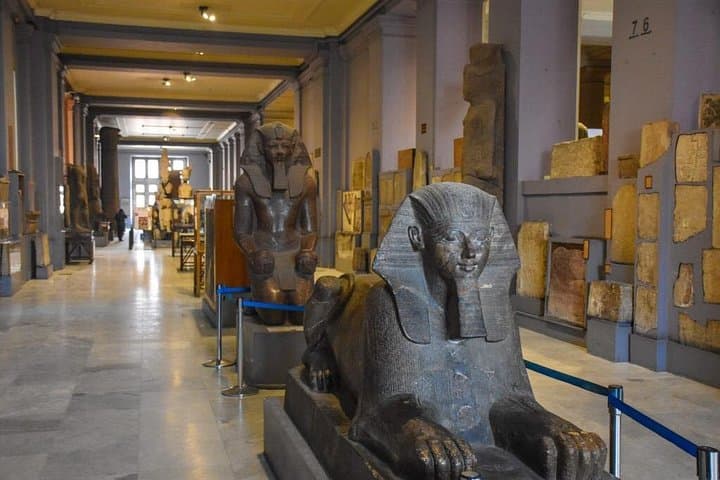
Expect 2–4 km of walking on uneven, sandy and paved surfaces with minimal elevation change; the camel ride usually lasts about 30 minutes around the base of the monuments. After a local lunch, the Egyptian Museum in Tahrir presents 5,000 years of artifacts — highlights include Tutankhamen’s treasures and New Kingdom statuary.
Practical guidance: carry sun protection, at least 2 liters of water, and comfortable, closed-toe shoes. Plan for crowds at popular photo points and negotiate camel rides through your guide. Respect ropes and signage — many interior chambers are restricted. Aim for early pickup to avoid midday heat and maximize museum time.
Yes — the tour includes hotel pickup and drop-off, usually starting around 8:00 a.m.; confirm your pickup point at booking.
Check your booking details; many day trips include Egyptian Museum and pyramid-area entry, but access to some interior chambers may carry extra fees.
Yes — rides are short (about 30 minutes) and handlers lead the animals; inform your guide of any mobility concerns before mounting.
Photography policies can change; general photography is allowed in many rooms but flash and tripods may be restricted — follow museum signage and staff instructions.
Grand Egypt Tours operates guided outdoor trips and adventures with an emphasis on safety, stewardship, and memorable experiences.
The morning light across the Giza Plateau strips the city’s heat down to a sharp, dry clarity — limestone faces glow and wind lifts sand along the base of the Great Pyramid. A private guide meets you at your hotel, and within an hour you’re standing where pharaohs were entombed, the scale of the pyramids arresting in a way photos rarely manage.
The morning light across the Giza Plateau strips the city’s heat down to a sharp, dry clarity — limestone faces glow and wind lifts sand along the base of the Great Pyramid. A private guide meets you at your hotel, and within an hour you’re standing where pharaohs were entombed, the scale of the pyramids arresting in a way photos rarely manage.
These stone giants date to the Old Kingdom (c. 2600–2500 BCE); Khufu’s (Cheops) pyramid is the largest and was a feat of engineering using local Tura limestone and granite quarried upriver. The plateau itself is a compact, mostly flat rise of sedimentary rock that exposes layers of Nile-deposited sand and fossilized marine deposits — proof that this desert was once sea. Culturally, the site has been a focal point of Egyptian identity for millennia, now balanced with tourism and conservation efforts.
Expect 2–4 km of walking on uneven, sandy and paved surfaces with minimal elevation change; the camel ride usually lasts about 30 minutes around the base of the monuments. After a local lunch, the Egyptian Museum in Tahrir presents 5,000 years of artifacts — highlights include Tutankhamen’s treasures and New Kingdom statuary.
Practical guidance: carry sun protection, at least 2 liters of water, and comfortable, closed-toe shoes. Plan for crowds at popular photo points and negotiate camel rides through your guide. Respect ropes and signage — many interior chambers are restricted. Aim for early pickup to avoid midday heat and maximize museum time.