THE ADVENTURE COLLECTIVE® · Independent discovery and booking for outdoor travel

Walk among millennia at Giza: explore Khufu’s great pyramid, pose by the Sphinx, try a camel or quad, then step into the Grand Egyptian Museum’s modern galleries. This full-day tour blends desert panoramas with world-class archaeology and practical tips for a long, hot day on the plateau.
Walk among millennia at Giza: explore Khufu’s great pyramid, pose by the Sphinx, try a camel or quad, then step into the Grand Egyptian Museum’s modern galleries. This full-day tour blends desert panoramas with world-class archaeology and practical tips for a long, hot day on the plateau.
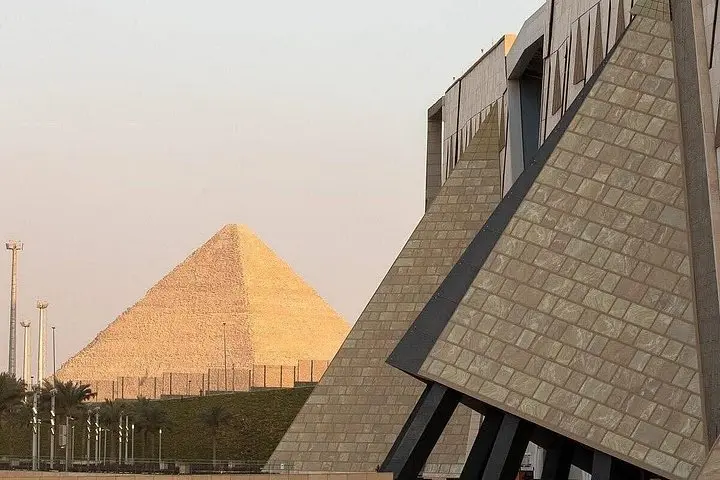
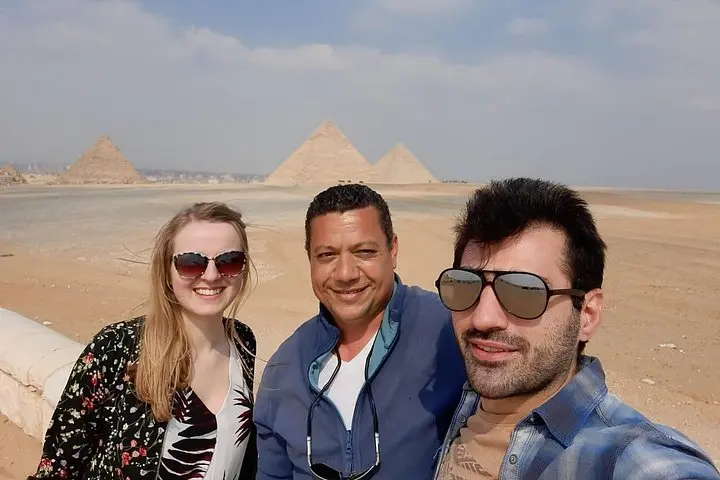
The first view arrives without warning: a low wall of limestone and sand gives way to three geometric humps, their edges cutting sharp against the desert light. On the Giza Plateau the air tastes faintly of dust and history; guides gesture toward the Great Pyramid while quad bikes hum in the distance and camel handlers wait in shaded lines.
Verified experiences and guided adventures in the surrounding area.
Operated by Hola Egipto · Giza, Giza Governorate
The first view arrives without warning: a low wall of limestone and sand gives way to three geometric humps, their edges cutting sharp against the desert light. On the Giza Plateau the air tastes faintly of dust and history; guides gesture toward the Great Pyramid while quad bikes hum in the distance and camel handlers wait in shaded lines.
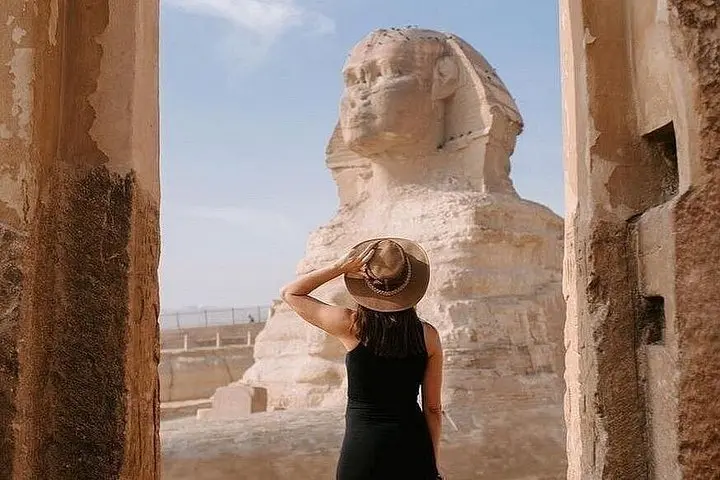
These are buildings of stone and engineering — Khufu, Khafre and Menkaure stand as records of a Bronze Age bureaucracy and quarry craft. The plateau is a raised remnant of the Nile’s ancient floodplain, where Tura limestone and locally quarried blocks were stacked into structures that have resisted millennia. Nearby, the Great Sphinx watches the valley temple’s polished granite, a reminder of ritual, power and the afterlife beliefs that shaped pharaonic Egypt.
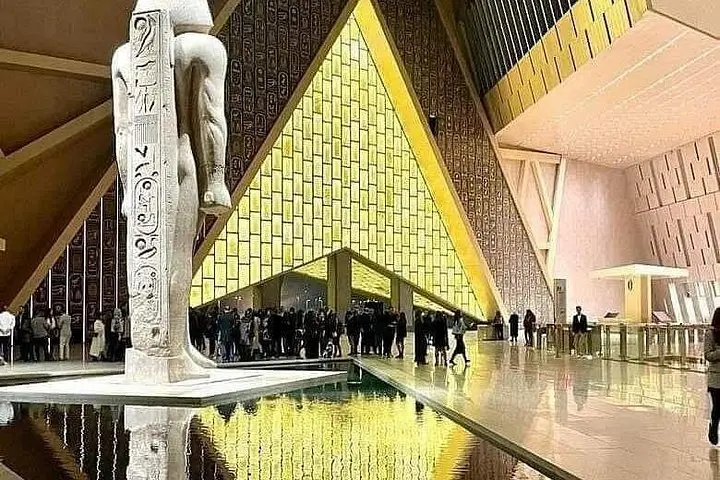
Later the Grand Egyptian Museum reframes those same objects in glass and light: Tutankhamun’s treasures, monumental statuary and conservation labs provide context and conservation-forward presentation within sight of the pyramids.
Practical side: expect 2–4 km of walking over sand, gravel and paved paths, minimal elevation gain but uneven footing. The full-day tour runs roughly eight hours with transfers and included lunch; shuttle segments reduce walking between sites. Midday heat can be intense—start early, carry at least 2 liters of water, wear closed walking shoes and sun protection. If you plan to enter the interior of a pyramid, confirm ticket availability and dress modestly. Cash is useful for tips, photos with camels and small purchases. The rhythm of the day alternates between slow museum exploration and brisk desert stops—plan clothing layers and comfortable footwear to match.
Inside-pyramid access is sometimes possible but limited; confirm availability in advance since separate tickets or time slots may be required.
The tour lists camel and quad options—confirm whether yours is included or optional when booking, as some operators offer them as add-ons.
Yes, the tour includes door-to-door transfers by air-conditioned vehicle; confirm your pickup point when booking.
Photography is generally allowed in public galleries, but flash and tripods may be restricted for conservation reasons—follow posted rules.
Hola Egipto operates guided outdoor trips and adventures with an emphasis on safety, stewardship, and memorable experiences.
The first view arrives without warning: a low wall of limestone and sand gives way to three geometric humps, their edges cutting sharp against the desert light. On the Giza Plateau the air tastes faintly of dust and history; guides gesture toward the Great Pyramid while quad bikes hum in the distance and camel handlers wait in shaded lines.
The first view arrives without warning: a low wall of limestone and sand gives way to three geometric humps, their edges cutting sharp against the desert light. On the Giza Plateau the air tastes faintly of dust and history; guides gesture toward the Great Pyramid while quad bikes hum in the distance and camel handlers wait in shaded lines.
These are buildings of stone and engineering — Khufu, Khafre and Menkaure stand as records of a Bronze Age bureaucracy and quarry craft. The plateau is a raised remnant of the Nile’s ancient floodplain, where Tura limestone and locally quarried blocks were stacked into structures that have resisted millennia. Nearby, the Great Sphinx watches the valley temple’s polished granite, a reminder of ritual, power and the afterlife beliefs that shaped pharaonic Egypt.
Later the Grand Egyptian Museum reframes those same objects in glass and light: Tutankhamun’s treasures, monumental statuary and conservation labs provide context and conservation-forward presentation within sight of the pyramids.
Practical side: expect 2–4 km of walking over sand, gravel and paved paths, minimal elevation gain but uneven footing. The full-day tour runs roughly eight hours with transfers and included lunch; shuttle segments reduce walking between sites. Midday heat can be intense—start early, carry at least 2 liters of water, wear closed walking shoes and sun protection. If you plan to enter the interior of a pyramid, confirm ticket availability and dress modestly. Cash is useful for tips, photos with camels and small purchases. The rhythm of the day alternates between slow museum exploration and brisk desert stops—plan clothing layers and comfortable footwear to match.