THE ADVENTURE COLLECTIVE® · Independent discovery and booking for outdoor travel
Spend a half‑day with a private guide exploring the Giza Plateau’s pyramids and Sphinx, then unwind with a traditional felucca ride on the Nile. This tour pairs archaeological context with a calm river crossing for a compact Cairo experience.
Spend a half‑day with a private guide exploring the Giza Plateau’s pyramids and Sphinx, then unwind with a traditional felucca ride on the Nile. This tour pairs archaeological context with a calm river crossing for a compact Cairo experience.
You step out of your air‑conditioned car onto a wind‑scoured limestone plateau and the hum of Cairo fades; the Great Pyramid looms, a geometric island against an open sky. Stone faces, worn by millennia, hold stories in the grooves of their blocks as the Sphinx watches the approach of the Nile below.
Verified experiences and guided adventures in the surrounding area.
Operated by Book My Egypt Tours · Giza, Cairo Governorate
You step out of your air‑conditioned car onto a wind‑scoured limestone plateau and the hum of Cairo fades; the Great Pyramid looms, a geometric island against an open sky. Stone faces, worn by millennia, hold stories in the grooves of their blocks as the Sphinx watches the approach of the Nile below.
The Giza Plateau records early Bronze Age ambition — the Khufu pyramid (c. 2560 BCE) remains the largest of the three, a precise pile of 2.3 million blocks. Geologically the plateau is Eocene limestone; archaeologists and local guides point out quarry scars and ancient ramps. Cultural life around the complex mixes Bedouin camel handlers, Cairo street vendors, and the steady procession of pilgrims and scholars.
After views, the tour drops you to Panorama Point for iconic photos, then to the Sphinx and nearby temples, before a 60‑minute felucca glide on the Nile — a slow, wind‑driven counterpoint to the stone’s permanence. The river dares you to slow down; its current carries centuries of trade and daily life.
Practical: plan 3–4 hours on site; expect several kilometers of walking on uneven, sandy limestone with minimal elevation change. Morning light (before 10:30) is best for photos and cooler temperatures. Bring cash for entry tickets, optional camel rides, and bazaar purchases. Wear sturdy closed shoes, sun protection, and a light wind layer for the felucca. Respect restricted zones around the pyramids and follow your guide’s route to minimize impact and optimize time.
Standard entry is usually not included in basic private tours — confirm with the operator and bring local currency for tickets and any optional site entries.
The itinerary includes a 60‑minute traditional felucca sail on the Nile, weather permitting.
Yes — this private tour includes hotel pickup and drop‑off from Cairo or Giza hotels; provide your pickup point when booking.
Camel rides are optional and typically arranged on site for an extra fee; negotiate price and agree on duration before mounting.
Book My Egypt Tours operates guided outdoor trips and adventures with an emphasis on safety, stewardship, and memorable experiences.
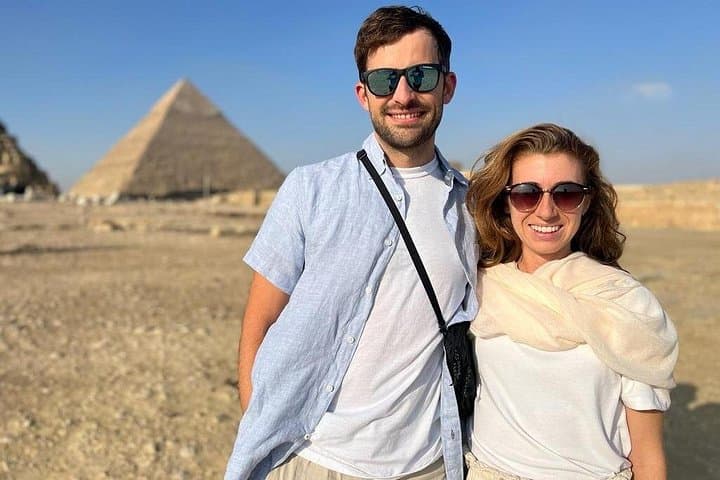
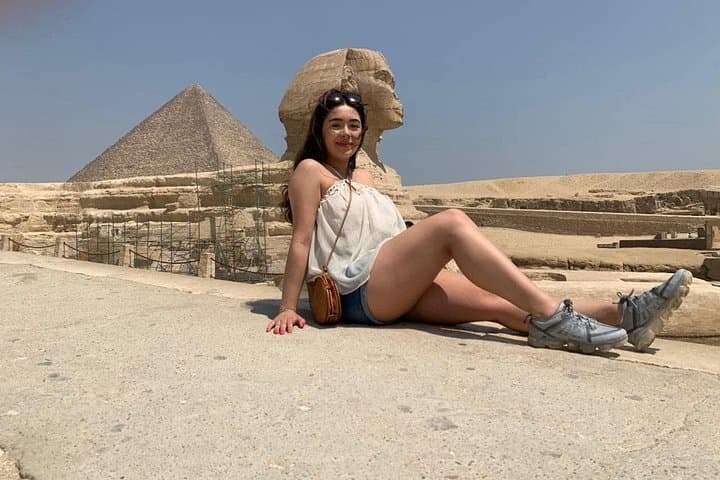
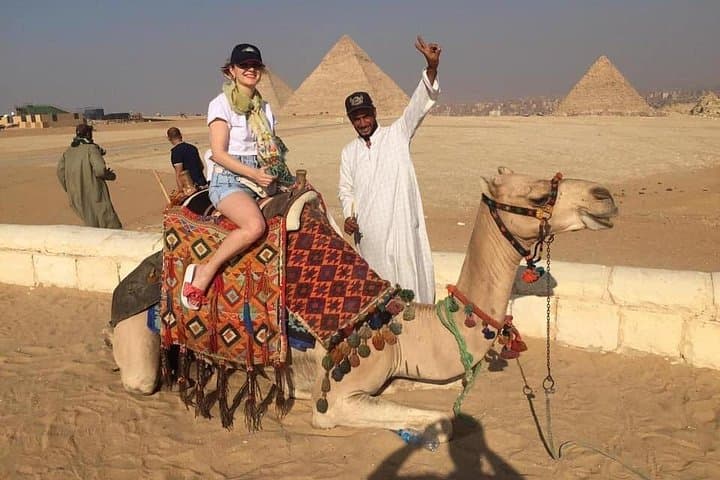
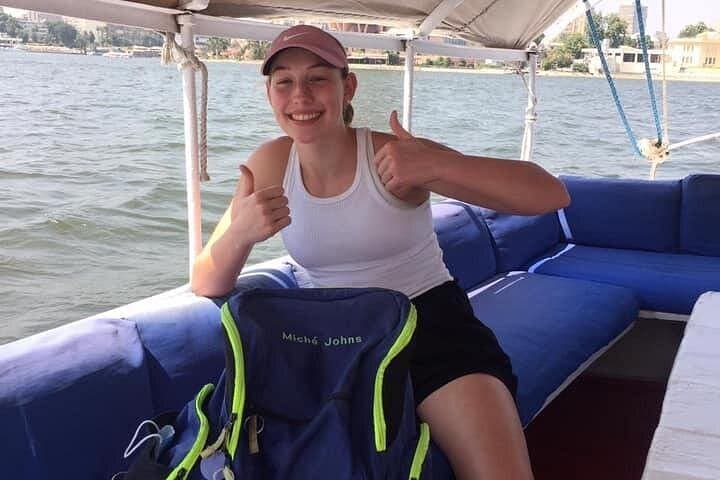
You step out of your air‑conditioned car onto a wind‑scoured limestone plateau and the hum of Cairo fades; the Great Pyramid looms, a geometric island against an open sky. Stone faces, worn by millennia, hold stories in the grooves of their blocks as the Sphinx watches the approach of the Nile below.
You step out of your air‑conditioned car onto a wind‑scoured limestone plateau and the hum of Cairo fades; the Great Pyramid looms, a geometric island against an open sky. Stone faces, worn by millennia, hold stories in the grooves of their blocks as the Sphinx watches the approach of the Nile below.
The Giza Plateau records early Bronze Age ambition — the Khufu pyramid (c. 2560 BCE) remains the largest of the three, a precise pile of 2.3 million blocks. Geologically the plateau is Eocene limestone; archaeologists and local guides point out quarry scars and ancient ramps. Cultural life around the complex mixes Bedouin camel handlers, Cairo street vendors, and the steady procession of pilgrims and scholars.
After views, the tour drops you to Panorama Point for iconic photos, then to the Sphinx and nearby temples, before a 60‑minute felucca glide on the Nile — a slow, wind‑driven counterpoint to the stone’s permanence. The river dares you to slow down; its current carries centuries of trade and daily life.
Practical: plan 3–4 hours on site; expect several kilometers of walking on uneven, sandy limestone with minimal elevation change. Morning light (before 10:30) is best for photos and cooler temperatures. Bring cash for entry tickets, optional camel rides, and bazaar purchases. Wear sturdy closed shoes, sun protection, and a light wind layer for the felucca. Respect restricted zones around the pyramids and follow your guide’s route to minimize impact and optimize time.
