THE ADVENTURE COLLECTIVE® · Independent discovery and booking for outdoor travel

Spend a focused day with an Egyptologist across Giza, Saqqara and Memphis—see the Great Pyramids up close, visit the Sphinx, explore the Step Pyramid and view Ramses II’s colossal statue. This private, air-conditioned tour includes lunch and practical handling of tickets and logistics.
Spend a focused day with an Egyptologist across Giza, Saqqara and Memphis—see the Great Pyramids up close, visit the Sphinx, explore the Step Pyramid and view Ramses II’s colossal statue. This private, air-conditioned tour includes lunch and practical handling of tickets and logistics.
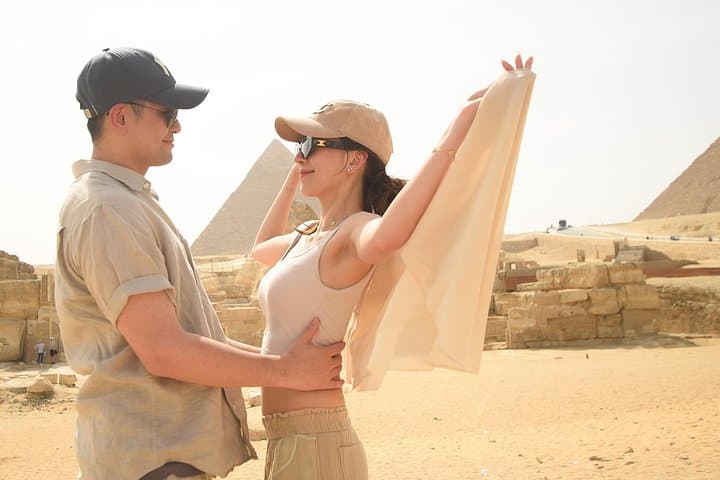
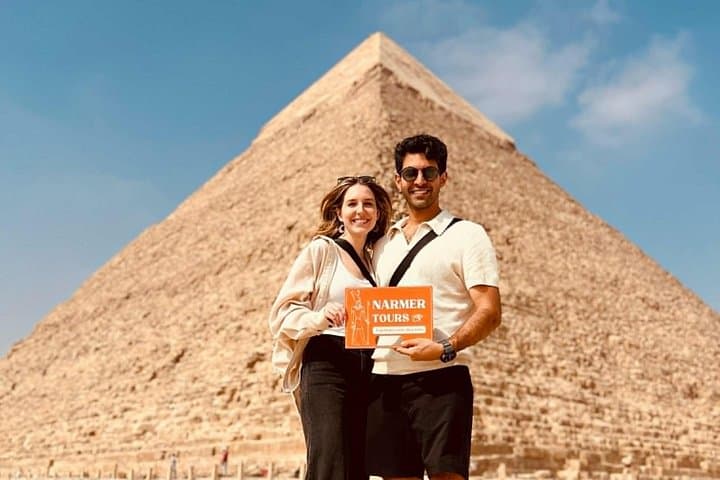
You step from an air-conditioned car into a wash of dry sun and stone, the horizon punctuated by the stepped silhouette of the ancient world’s largest monuments. The Giza Plateau opens like a living map of empire—three pyramids cutting the sky, the Sphinx watching the approach from its limestone plinth.
Verified experiences and guided adventures in the surrounding area.
Operated by Narmer Tours · Giza, Giza Governorate
You step from an air-conditioned car into a wash of dry sun and stone, the horizon punctuated by the stepped silhouette of the ancient world’s largest monuments. The Giza Plateau opens like a living map of empire—three pyramids cutting the sky, the Sphinx watching the approach from its limestone plinth.
This full-day private tour, led by a certified Egyptologist, strings together four of Lower Egypt’s defining sites: the Great Pyramids of Giza (Khufu, Khafre, Menkaure), the carved guardian Sphinx, the Step Pyramid complex at Saqqara, and the open-air ruins of Memphis with its colossal Ramses II. Geology and engineering overlap here—limestone quarries, pink granite burial chambers, and the step-form innovation that kicked off royal pyramid-building around 2600 BC.
Culturally, these places reflect the funerary beliefs and state power of Old Kingdom Egypt; tomb reliefs record offerings, livestock, and daily tasks intended to provision the afterlife. Modern Cairo breathes nearby—food stalls, calls to prayer, and a living craft tradition of stone and papyrus.
Practical guidance: wear sturdy closed shoes for uneven stone and sand, carry sun protection and at least 1–2 liters of water, and expect an 8-hour day with short walks at each site. Your private guide handles tickets and timing; bring small bills for site kiosks and tips. Early morning or late afternoon light gives the best photography and cooler temperatures. If mobility is limited, confirm wheelchair access ahead—the tour includes accessible vehicle pickup but terrain at some ruins remains uneven.
Admission can be included depending on the chosen option—confirm when booking; your guide typically handles tickets to the pyramids, Memphis and Saqqara if selected.
Access to interior chambers depends on current site regulations and ticket options; ask your operator in advance and be prepared for narrow, steep passages.
Pickup and vehicles are wheelchair accessible, but terrain at archaeological sites is uneven—confirm mobility needs beforehand for tailored adjustments.
Lunch is included if selected; operators can usually accommodate common dietary requests—note restrictions when booking and confirm with the guide.
Narmer Tours operates guided outdoor trips and adventures with an emphasis on safety, stewardship, and memorable experiences.


You step from an air-conditioned car into a wash of dry sun and stone, the horizon punctuated by the stepped silhouette of the ancient world’s largest monuments. The Giza Plateau opens like a living map of empire—three pyramids cutting the sky, the Sphinx watching the approach from its limestone plinth.
You step from an air-conditioned car into a wash of dry sun and stone, the horizon punctuated by the stepped silhouette of the ancient world’s largest monuments. The Giza Plateau opens like a living map of empire—three pyramids cutting the sky, the Sphinx watching the approach from its limestone plinth.
This full-day private tour, led by a certified Egyptologist, strings together four of Lower Egypt’s defining sites: the Great Pyramids of Giza (Khufu, Khafre, Menkaure), the carved guardian Sphinx, the Step Pyramid complex at Saqqara, and the open-air ruins of Memphis with its colossal Ramses II. Geology and engineering overlap here—limestone quarries, pink granite burial chambers, and the step-form innovation that kicked off royal pyramid-building around 2600 BC.
Culturally, these places reflect the funerary beliefs and state power of Old Kingdom Egypt; tomb reliefs record offerings, livestock, and daily tasks intended to provision the afterlife. Modern Cairo breathes nearby—food stalls, calls to prayer, and a living craft tradition of stone and papyrus.
Practical guidance: wear sturdy closed shoes for uneven stone and sand, carry sun protection and at least 1–2 liters of water, and expect an 8-hour day with short walks at each site. Your private guide handles tickets and timing; bring small bills for site kiosks and tips. Early morning or late afternoon light gives the best photography and cooler temperatures. If mobility is limited, confirm wheelchair access ahead—the tour includes accessible vehicle pickup but terrain at some ruins remains uneven.