THE ADVENTURE COLLECTIVE® · Independent discovery and booking for outdoor travel

Spend five concentrated hours with an Egyptologist guide between the Giza Plateau and the Egyptian Museum. This private tour packs the pyramids, the Great Sphinx, and museum highlights into a seamless half-day with transfers and admissions included.
Spend five concentrated hours with an Egyptologist guide between the Giza Plateau and the Egyptian Museum. This private tour packs the pyramids, the Great Sphinx, and museum highlights into a seamless half-day with transfers and admissions included.
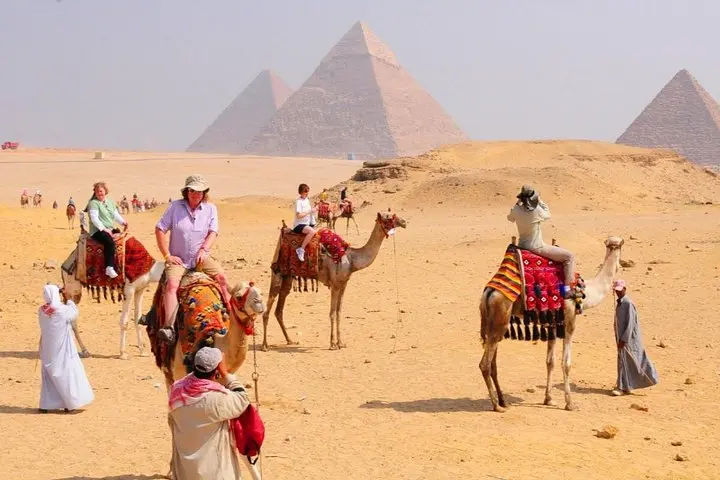
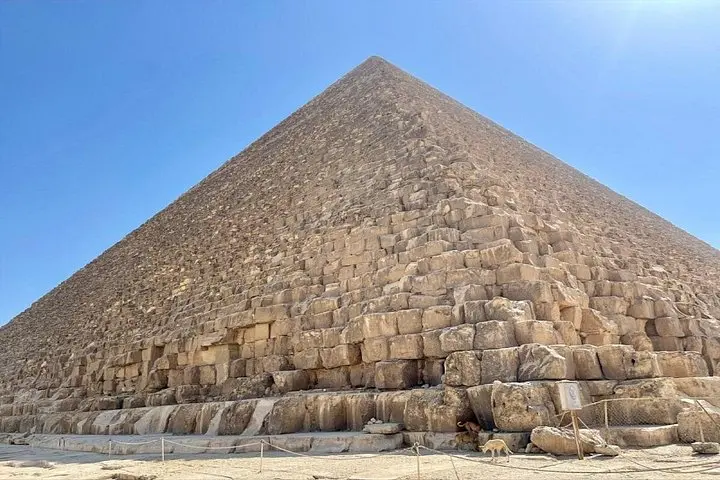
You step from an air-conditioned car into a wash of desert light; the Pyramids of Giza loom like patient machines of stone, their ridged faces throwing hard shadows across sand that seems to hold centuries in its grit.
Verified experiences and guided adventures in the surrounding area.
Operated by Alfa Tours Egypt · Giza, Giza Governorate
You step from an air-conditioned car into a wash of desert light; the Pyramids of Giza loom like patient machines of stone, their ridged faces throwing hard shadows across sand that seems to hold centuries in its grit.
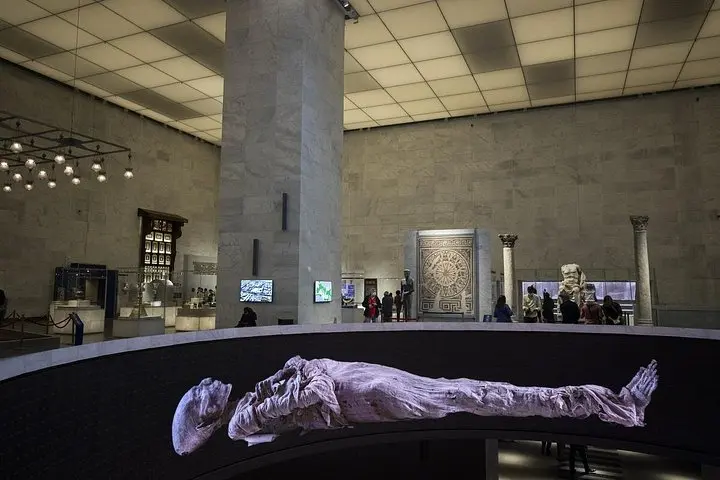
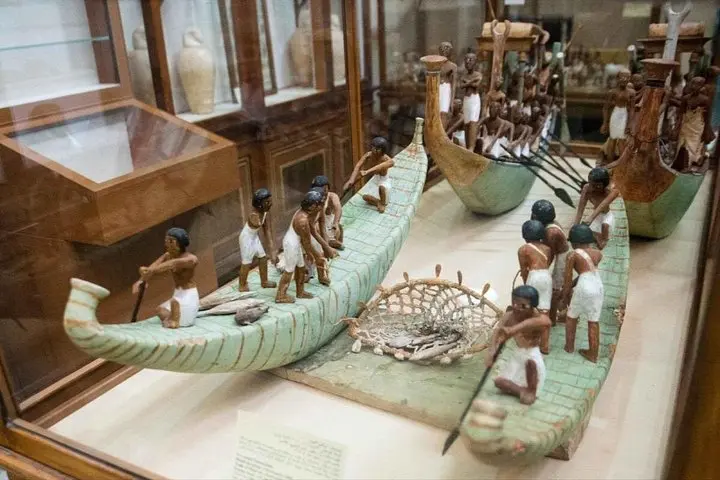
This five-hour private loop trades the open plateau for the cool, hushed halls of the Egyptian Museum in Tahrir—two worlds of the same civilization. The pyramids here date to the Old Kingdom (c. 2600–2500 BCE), monumental tombs hewn from the Giza Plateau’s limestone bedrock. The museum collects artifacts spanning millennia, including the treasures associated with Tutankhamun, which help stitch funerary practice to daily life.
Cairo’s pulse is never far away: vendors call, camels stand patient for photos, and a breeze from the Nile plain tries to tame the heat. Your Egyptologist guide translates layers of meaning—architectural choice, the logistics of quarrying stone, and the religious ideas that shaped royal burials—into concise, actionable narrative.
Practical edge: plan for early mornings to avoid peak sun, bring a sun hat and at least 1.5 liters of water, and expect uneven walking surfaces around the plateau. Admissions and transfers are usually handled on private tours, but keep passports handy for museum access. Security screenings are strict; allow time for checks.
This itinerary is compact but paced: two hours at the pyramids and Sphinx, two at the museum, and an hour for transfers and focused commentary—ideal for travelers who want an intense, well-guided primer on ancient Egypt without marathon logistics.
Most private tours include admission to the Giza Pyramids, the Sphinx area, and the Egyptian Museum—confirm with your operator at booking.
Photography policies can change; non-flash photography is typically allowed in many rooms but check onsite signage and follow staff guidance.
The pyramids plateau and some museum areas have uneven terrain and steps; accessibility varies—ask for specifics and possible modified routes when booking.
Tipping is customary; consider 10–15% of the tour price split between guide and driver or a cash tip of ~100–200 EGP to the guide and smaller gratuity to the driver, adjusted for service.
Alfa Tours Egypt operates guided outdoor trips and adventures with an emphasis on safety, stewardship, and memorable experiences.
You step from an air-conditioned car into a wash of desert light; the Pyramids of Giza loom like patient machines of stone, their ridged faces throwing hard shadows across sand that seems to hold centuries in its grit.
You step from an air-conditioned car into a wash of desert light; the Pyramids of Giza loom like patient machines of stone, their ridged faces throwing hard shadows across sand that seems to hold centuries in its grit.
This five-hour private loop trades the open plateau for the cool, hushed halls of the Egyptian Museum in Tahrir—two worlds of the same civilization. The pyramids here date to the Old Kingdom (c. 2600–2500 BCE), monumental tombs hewn from the Giza Plateau’s limestone bedrock. The museum collects artifacts spanning millennia, including the treasures associated with Tutankhamun, which help stitch funerary practice to daily life.
Cairo’s pulse is never far away: vendors call, camels stand patient for photos, and a breeze from the Nile plain tries to tame the heat. Your Egyptologist guide translates layers of meaning—architectural choice, the logistics of quarrying stone, and the religious ideas that shaped royal burials—into concise, actionable narrative.
Practical edge: plan for early mornings to avoid peak sun, bring a sun hat and at least 1.5 liters of water, and expect uneven walking surfaces around the plateau. Admissions and transfers are usually handled on private tours, but keep passports handy for museum access. Security screenings are strict; allow time for checks.
This itinerary is compact but paced: two hours at the pyramids and Sphinx, two at the museum, and an hour for transfers and focused commentary—ideal for travelers who want an intense, well-guided primer on ancient Egypt without marathon logistics.