THE ADVENTURE COLLECTIVE® · Independent discovery and booking for outdoor travel

Spend a day moving from the monumental Giza plateau to the galleries of the Egyptian Museum, the Ottoman elegance of the Alabaster Mosque, and the winding alleys of Khan El-Khalili. A private Egyptologist-led itinerary compresses Cairo’s layers of history into a single, manageable day.
Spend a day moving from the monumental Giza plateau to the galleries of the Egyptian Museum, the Ottoman elegance of the Alabaster Mosque, and the winding alleys of Khan El-Khalili. A private Egyptologist-led itinerary compresses Cairo’s layers of history into a single, manageable day.
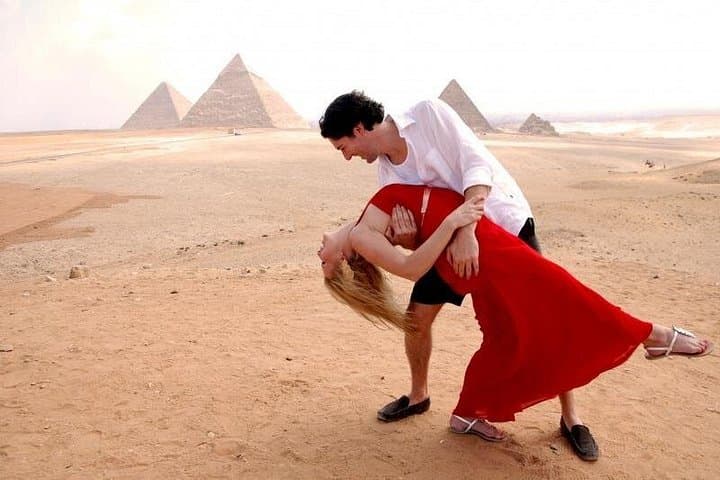
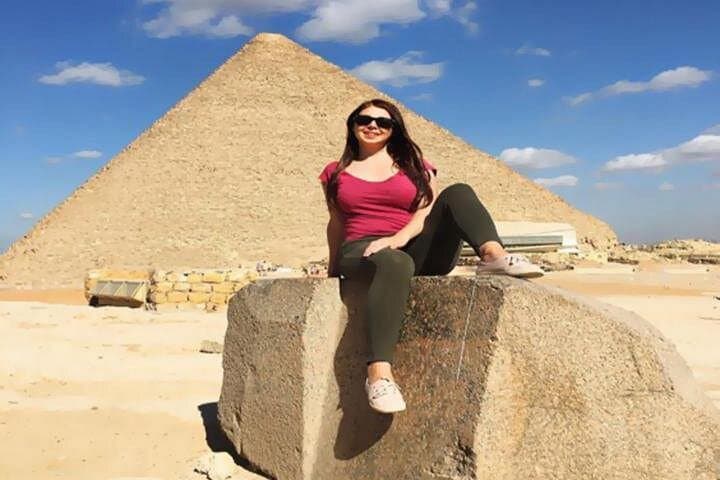
You step out of the van and the desert air pulls at your shirt—sand and sun daring you forward toward a skyline of stone. The Great Pyramid rises not as a relic but as a presence, its geometry casting long, sharp shadows across the plateau while camels dot the foreground like patient sentries.
Verified experiences and guided adventures in the surrounding area.
Operated by Let`s Explore Egypt · Cairo, Cairo Governorate
You step out of the van and the desert air pulls at your shirt—sand and sun daring you forward toward a skyline of stone. The Great Pyramid rises not as a relic but as a presence, its geometry casting long, sharp shadows across the plateau while camels dot the foreground like patient sentries.
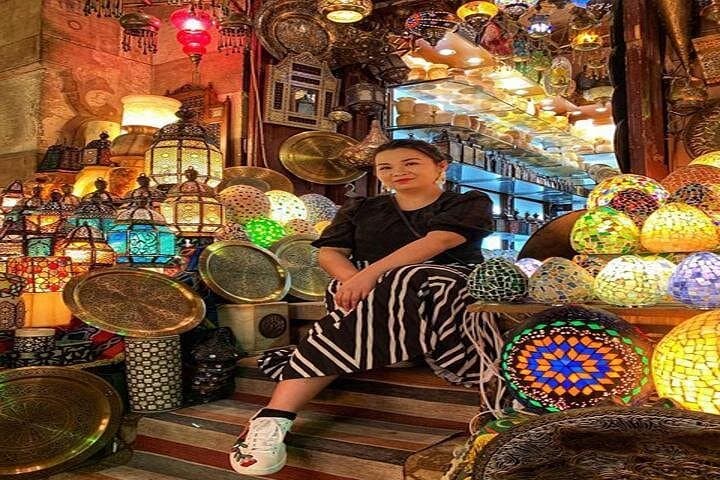
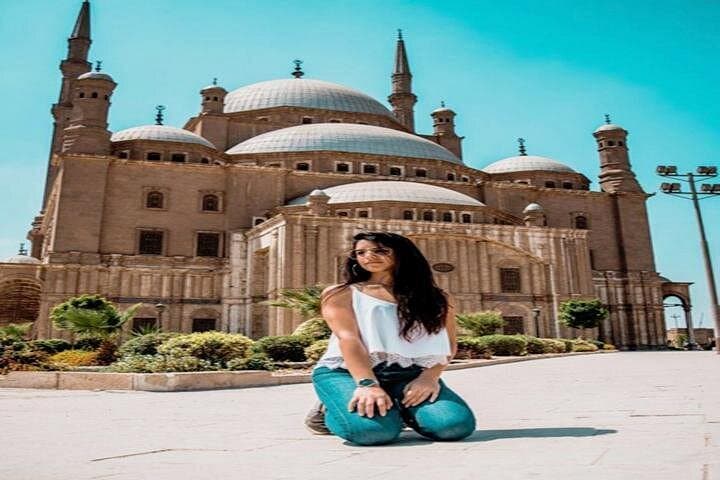
This route moves fast through layers of Cairo’s past. The Giza plateau records fourth-millennium BCE ambition: limestone blocks hewn and stacked with human labor into monuments that still outsize cities. The Egyptian Museum in Tahrir houses the artifacts and stories that bridge pharaonic life and modern archaeology, including treasures associated with Tutankhamun. Later, the Mohammed Ali (Alabaster) Mosque in the Citadel reflects 19th-century Ottoman-Egyptian power and offers a skyline view across old Cairo. Finish with Khan El-Khalili, where centuries of trade still trade in brass, spice, and story.
Expect a guided rhythm—short walks at each stop, a 30-minute camel ride at Giza, a sit-down lunch, and crowded market lanes. Wear sun-tested shoes, bring a hat and sunscreen, and carry a small daypack for water and camera gear. Timing matters: morning light on the pyramids is best for photos and cooler temperatures; the mosque and market are more comfortable after midday. Ask your Egyptologist about conservation practices and respectful conduct inside religious sites. If you want quieter museum rooms, request a focused route—many guides can prioritize the Tutankhamun collection or lesser-known finds.
Admissions listed in the itinerary indicate entrances are included for the pyramids, Egyptian Museum, and Alabaster Mosque—confirm specifics with the operator at booking.
Yes; children must be accompanied by an adult and the tour is suitable for most ages, though museum pacing may be long for very young kids.
Wear modest clothing covering shoulders and knees for the mosque; comfortable, breathable clothes and closed-toe shoes are recommended for walking and market crowds.
Tipping is customary in Egypt; plan to tip your guide and driver at the end of the day based on service quality—small local notes are best.
Let`s Explore Egypt operates guided outdoor trips and adventures with an emphasis on safety, stewardship, and memorable experiences.
You step out of the van and the desert air pulls at your shirt—sand and sun daring you forward toward a skyline of stone. The Great Pyramid rises not as a relic but as a presence, its geometry casting long, sharp shadows across the plateau while camels dot the foreground like patient sentries.
You step out of the van and the desert air pulls at your shirt—sand and sun daring you forward toward a skyline of stone. The Great Pyramid rises not as a relic but as a presence, its geometry casting long, sharp shadows across the plateau while camels dot the foreground like patient sentries.
This route moves fast through layers of Cairo’s past. The Giza plateau records fourth-millennium BCE ambition: limestone blocks hewn and stacked with human labor into monuments that still outsize cities. The Egyptian Museum in Tahrir houses the artifacts and stories that bridge pharaonic life and modern archaeology, including treasures associated with Tutankhamun. Later, the Mohammed Ali (Alabaster) Mosque in the Citadel reflects 19th-century Ottoman-Egyptian power and offers a skyline view across old Cairo. Finish with Khan El-Khalili, where centuries of trade still trade in brass, spice, and story.
Expect a guided rhythm—short walks at each stop, a 30-minute camel ride at Giza, a sit-down lunch, and crowded market lanes. Wear sun-tested shoes, bring a hat and sunscreen, and carry a small daypack for water and camera gear. Timing matters: morning light on the pyramids is best for photos and cooler temperatures; the mosque and market are more comfortable after midday. Ask your Egyptologist about conservation practices and respectful conduct inside religious sites. If you want quieter museum rooms, request a focused route—many guides can prioritize the Tutankhamun collection or lesser-known finds.