THE ADVENTURE COLLECTIVE® · Independent discovery and booking for outdoor travel

Walk through the evolution of pyramid building on a full-day tour from Cairo that visits Dahshour, Saqqara, and the Giza Plateau. Expect a mix of uneven stone, open desert sun, and some of the oldest monumental architecture on Earth.
Walk through the evolution of pyramid building on a full-day tour from Cairo that visits Dahshour, Saqqara, and the Giza Plateau. Expect a mix of uneven stone, open desert sun, and some of the oldest monumental architecture on Earth.
Morning light throws long shadows across calcite blocks as the tour vehicle slips out of Cairo toward the lenses of history—Dahshour’s angled silhouettes, Saqqara’s layered stone stair, and the monumental faces of Giza. The desert breathes heat and dust; stone holds memory. Visitors move between eras: the Bent and Red Pyramids at Dahshour where builders experimented with angles and core structure, Saqqara’s Step Pyramid—Egypt’s architectural turning point—and finally the Giza Plateau, where Khufu’s mass anchors sky and sand beside the Sphinx’s unwavering gaze.
Verified experiences and guided adventures in the surrounding area.
Operated by KING FAROUK private tour guide · Giza, Cairo Governorate
Morning light throws long shadows across calcite blocks as the tour vehicle slips out of Cairo toward the lenses of history—Dahshour’s angled silhouettes, Saqqara’s layered stone stair, and the monumental faces of Giza. The desert breathes heat and dust; stone holds memory. Visitors move between eras: the Bent and Red Pyramids at Dahshour where builders experimented with angles and core structure, Saqqara’s Step Pyramid—Egypt’s architectural turning point—and finally the Giza Plateau, where Khufu’s mass anchors sky and sand beside the Sphinx’s unwavering gaze.
Geology here is plain to read: wind-polished limestone terraces, Nile silt beneath modern roads, and burial complexes cut into bedrock. Culturally, the sites chart funerary innovation—mastabas, stepped cores, and the evolution of interior chambers intended to house pharaohs for eternity. Local guides often point out inscriptions and reliefs that speak to daily life and ancient ritual as readily as to royal power.
Practically, expect a full day—6–8 hours—with walking on uneven stone and sandy tracks, occasional low doorways and tight chamber access, and open sun between shaded courtyards. Bring water, sun protection, and comfortable shoes; plan for pace changes from short climbs to lengthy flat walks. Time your visit for earlier in the day to avoid peak heat and larger crowds, and allocate extra minutes for photography and short detours to lesser-visited tombs. Respect posted barriers—these sites are fragile—and listen to guides who balance storytelling with site preservation.
This tour typically includes guide-led visits but not official site admission; check the booking details and your voucher for what’s covered.
Interior access to the Great Pyramid is limited and sometimes requires an additional ticket or specific booking; ask the operator in advance.
Moderate fitness is required; the tour is not recommended for travelers with serious spinal, heart, or pregnancy-related restrictions and may be challenging for strollers or wheelchairs.
Some packages include short camel rides on the Giza Plateau as an add-on—confirm inclusion when booking and be aware of seasonal pricing.
KING FAROUK private tour guide operates guided outdoor trips and adventures with an emphasis on safety, stewardship, and memorable experiences.
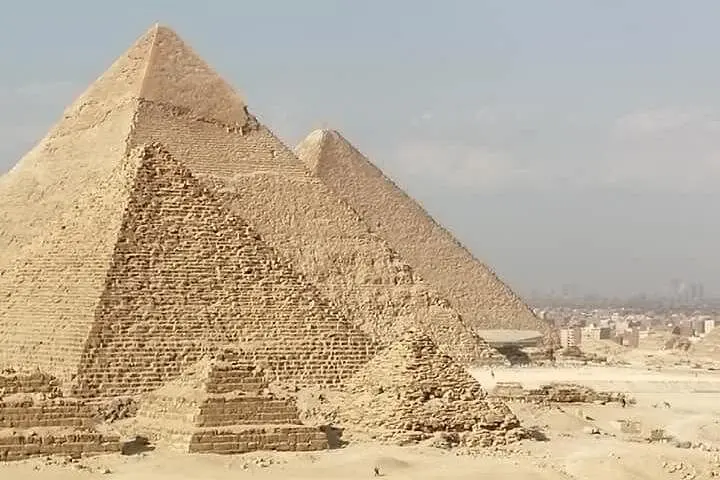
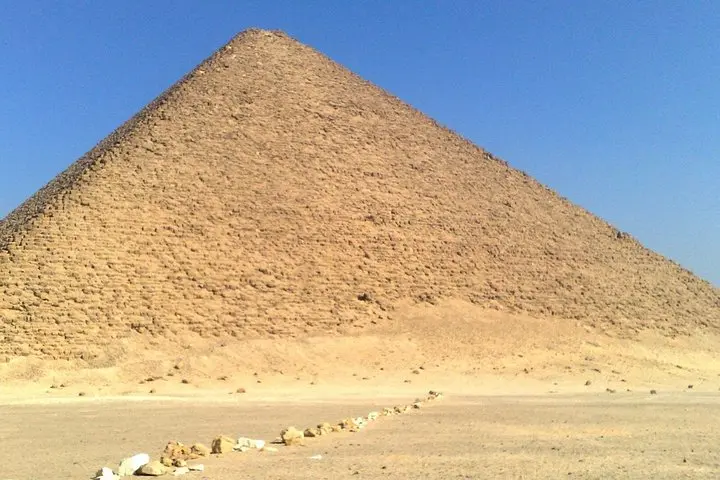
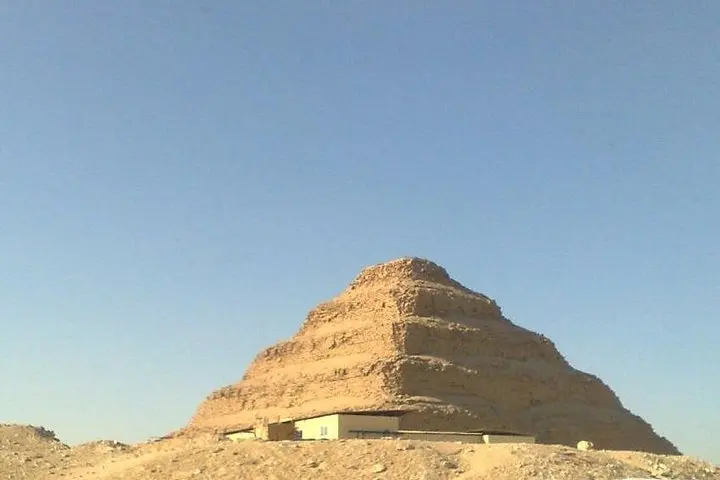
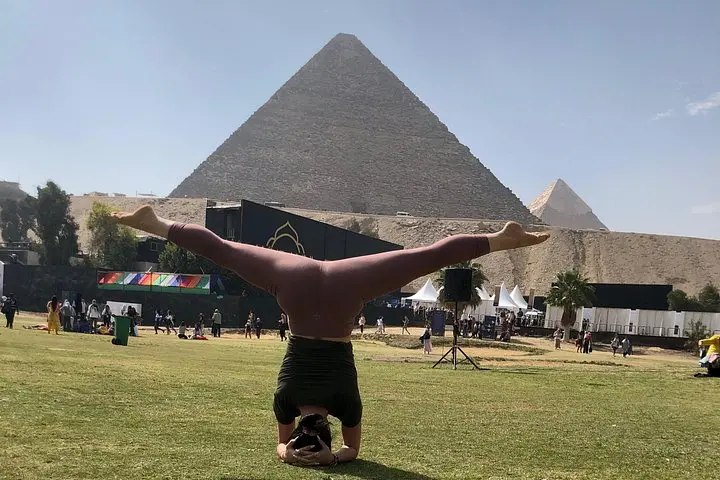
Morning light throws long shadows across calcite blocks as the tour vehicle slips out of Cairo toward the lenses of history—Dahshour’s angled silhouettes, Saqqara’s layered stone stair, and the monumental faces of Giza. The desert breathes heat and dust; stone holds memory. Visitors move between eras: the Bent and Red Pyramids at Dahshour where builders experimented with angles and core structure, Saqqara’s Step Pyramid—Egypt’s architectural turning point—and finally the Giza Plateau, where Khufu’s mass anchors sky and sand beside the Sphinx’s unwavering gaze.
Morning light throws long shadows across calcite blocks as the tour vehicle slips out of Cairo toward the lenses of history—Dahshour’s angled silhouettes, Saqqara’s layered stone stair, and the monumental faces of Giza. The desert breathes heat and dust; stone holds memory. Visitors move between eras: the Bent and Red Pyramids at Dahshour where builders experimented with angles and core structure, Saqqara’s Step Pyramid—Egypt’s architectural turning point—and finally the Giza Plateau, where Khufu’s mass anchors sky and sand beside the Sphinx’s unwavering gaze.
Geology here is plain to read: wind-polished limestone terraces, Nile silt beneath modern roads, and burial complexes cut into bedrock. Culturally, the sites chart funerary innovation—mastabas, stepped cores, and the evolution of interior chambers intended to house pharaohs for eternity. Local guides often point out inscriptions and reliefs that speak to daily life and ancient ritual as readily as to royal power.
Practically, expect a full day—6–8 hours—with walking on uneven stone and sandy tracks, occasional low doorways and tight chamber access, and open sun between shaded courtyards. Bring water, sun protection, and comfortable shoes; plan for pace changes from short climbs to lengthy flat walks. Time your visit for earlier in the day to avoid peak heat and larger crowds, and allocate extra minutes for photography and short detours to lesser-visited tombs. Respect posted barriers—these sites are fragile—and listen to guides who balance storytelling with site preservation.