THE ADVENTURE COLLECTIVE® · Independent discovery and booking for outdoor travel

Spend a full day with an Egyptologist exploring Giza’s pyramids, the Great Sphinx, Saqqara’s Step Pyramid and the ruins of Memphis. This practical guide outlines what you’ll see, why it matters, and how to prepare for a long, sunlit day of archaeology and camel rides.
Spend a full day with an Egyptologist exploring Giza’s pyramids, the Great Sphinx, Saqqara’s Step Pyramid and the ruins of Memphis. This practical guide outlines what you’ll see, why it matters, and how to prepare for a long, sunlit day of archaeology and camel rides.
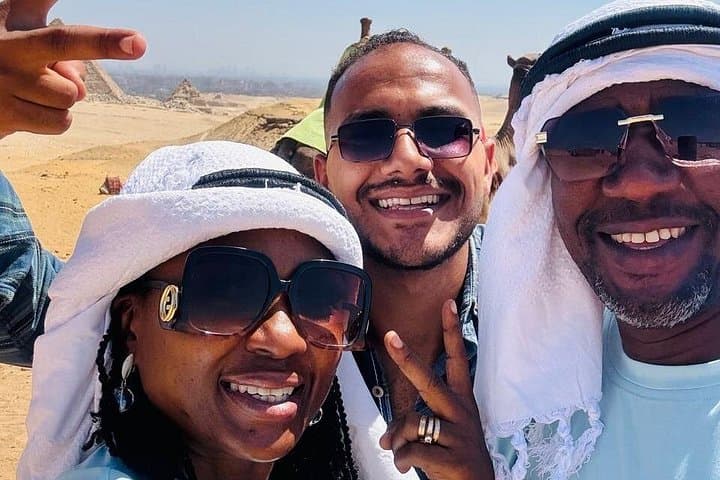
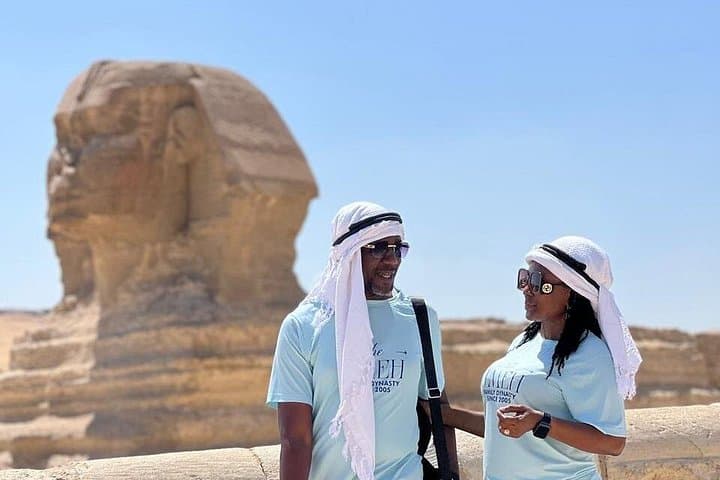
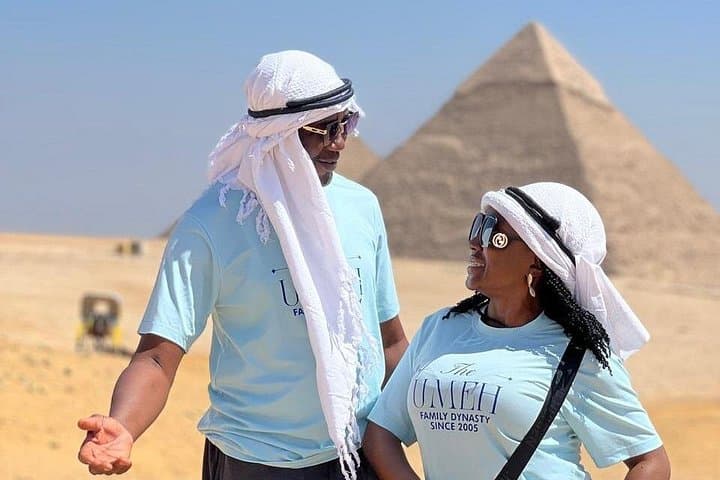
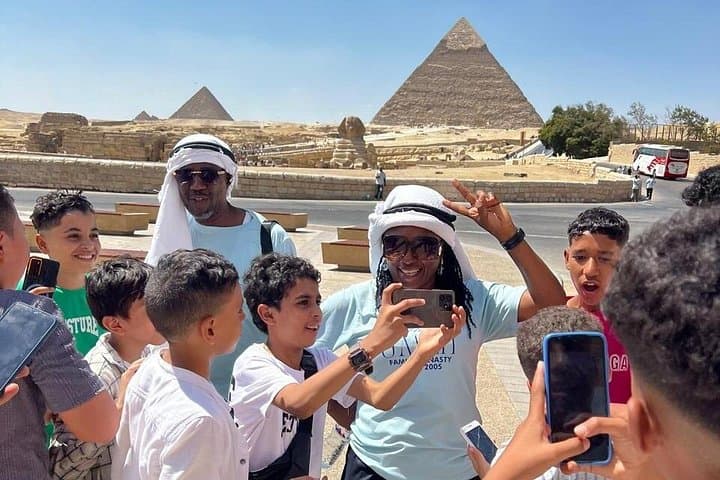
You step from the air-conditioned van into a strip of hot wind that seems to arrange the sand around the pyramids like a reluctant audience. The three great tombs — Cheops, Chephren and Mykerinus — rise in stepped geometry against the blue, and a lone camel waits as a patient punctuation mark. An Egyptologist guide leads the route: a measured narration of stone, kings and engineering, with the desert pressing its heat into your jacket.
Verified experiences and guided adventures in the surrounding area.
Operated by Egypt Gold · Giza, Cairo Governorate
You step from the air-conditioned van into a strip of hot wind that seems to arrange the sand around the pyramids like a reluctant audience. The three great tombs — Cheops, Chephren and Mykerinus — rise in stepped geometry against the blue, and a lone camel waits as a patient punctuation mark. An Egyptologist guide leads the route: a measured narration of stone, kings and engineering, with the desert pressing its heat into your jacket.
These monuments date to Egypt’s Old Kingdom (c. 2600–2500 BCE) and sit on limestone bedrock that ancient architects quarried and reassembled into colossal chambers. Saqqara’s Step Pyramid predates the Giza group and marks Imhotep’s shift from mastaba to true stone pyramid. Memphis, once the political heart, leaves behind monumental statuary and carved reliefs that sketch daily life and royal propaganda.
Culturally, the day blends archaeology with modern Egyptian rhythms — roadside vendors, small cafés serving ful and koshari, and camel handlers who make a living from tourism. Geologically the plateau’s exposed bedrock and desert pavement make walking easy but sun-exposed.
Practical guidance: expect a 6–8 hour day with several short walks on uneven surfaces and sandy approaches. Bring a wide-brim hat, sunscreen, plenty of water and sturdy shoes. Plan for bright sun through midday; morning light is best for photography and cooler temperatures. If you want to enter interior tombs or museums, ask about optional tickets in advance. Tipping for local staff and camel handlers is customary and helps sustain community livelihoods.
Some options include entrance fees and others don’t; check your booking details — optional interior-tomb tickets often cost extra and can be purchased separately.
A short camel ride is typically included on this tour; handlers are experienced but rides involve basic risks — hold on, follow instructions, and decline if you have back issues.
Yes — the package lists 2-way hotel transfers; confirm your pickup location and time when booking.
Transportation and some viewing areas claim accessibility, but uneven terrain and sand at several sites limit full access to interiors and camel rides.
Egypt Gold operates guided outdoor trips and adventures with an emphasis on safety, stewardship, and memorable experiences.
You step from the air-conditioned van into a strip of hot wind that seems to arrange the sand around the pyramids like a reluctant audience. The three great tombs — Cheops, Chephren and Mykerinus — rise in stepped geometry against the blue, and a lone camel waits as a patient punctuation mark. An Egyptologist guide leads the route: a measured narration of stone, kings and engineering, with the desert pressing its heat into your jacket.
You step from the air-conditioned van into a strip of hot wind that seems to arrange the sand around the pyramids like a reluctant audience. The three great tombs — Cheops, Chephren and Mykerinus — rise in stepped geometry against the blue, and a lone camel waits as a patient punctuation mark. An Egyptologist guide leads the route: a measured narration of stone, kings and engineering, with the desert pressing its heat into your jacket.
These monuments date to Egypt’s Old Kingdom (c. 2600–2500 BCE) and sit on limestone bedrock that ancient architects quarried and reassembled into colossal chambers. Saqqara’s Step Pyramid predates the Giza group and marks Imhotep’s shift from mastaba to true stone pyramid. Memphis, once the political heart, leaves behind monumental statuary and carved reliefs that sketch daily life and royal propaganda.
Culturally, the day blends archaeology with modern Egyptian rhythms — roadside vendors, small cafés serving ful and koshari, and camel handlers who make a living from tourism. Geologically the plateau’s exposed bedrock and desert pavement make walking easy but sun-exposed.
Practical guidance: expect a 6–8 hour day with several short walks on uneven surfaces and sandy approaches. Bring a wide-brim hat, sunscreen, plenty of water and sturdy shoes. Plan for bright sun through midday; morning light is best for photography and cooler temperatures. If you want to enter interior tombs or museums, ask about optional tickets in advance. Tipping for local staff and camel handlers is customary and helps sustain community livelihoods.