THE ADVENTURE COLLECTIVE® · Independent discovery and booking for outdoor travel

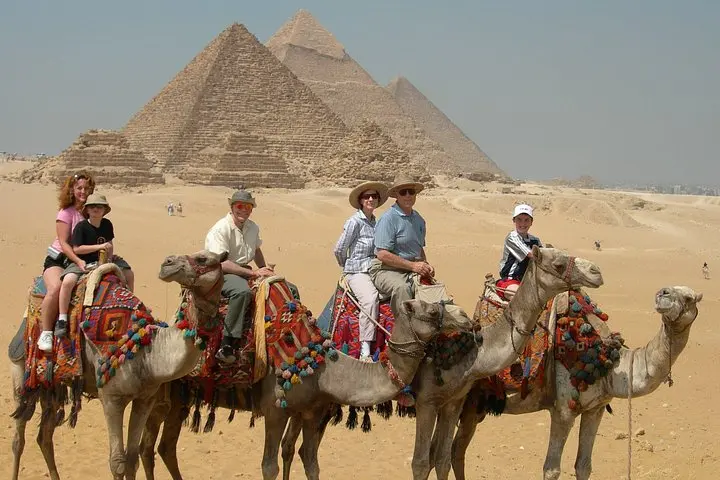
Explore Egypt’s oldest monumental sites in a single private day: Saqqara’s Step Pyramid, the Giza Plateau with its camels and Sphinx, and the ruins of ancient Memphis. This guided tour pairs archaeology with practical logistics — hotel pickup, lunch and an optional camel ride — for a full day of layered history.
Explore Egypt’s oldest monumental sites in a single private day: Saqqara’s Step Pyramid, the Giza Plateau with its camels and Sphinx, and the ruins of ancient Memphis. This guided tour pairs archaeology with practical logistics — hotel pickup, lunch and an optional camel ride — for a full day of layered history.
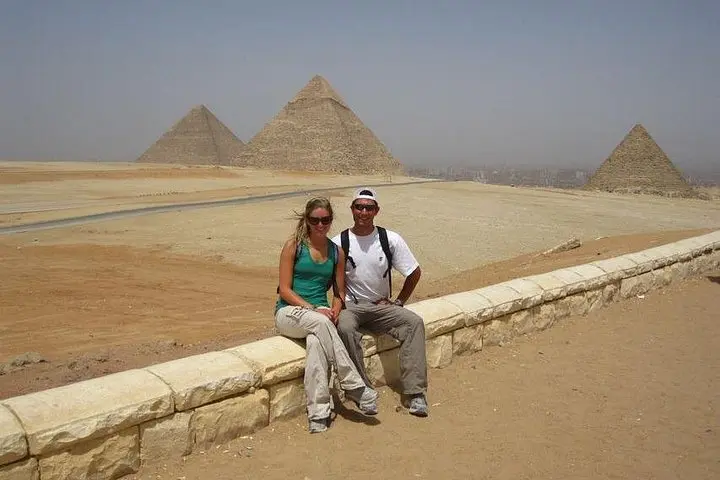
You step from an air‑conditioned vehicle into a wide, chalky light: the Great Pyramid rises like an older logic, each block a century of labor holding the sky at arm’s length. Camels shuffle, local guides call, and the Cairo skyline presses at the horizon — a modern city watching ancient geometry.
Verified experiences and guided adventures in the surrounding area.
Operated by Egypt Daily Tours · Giza, Cairo Governorate
You step from an air‑conditioned vehicle into a wide, chalky light: the Great Pyramid rises like an older logic, each block a century of labor holding the sky at arm’s length. Camels shuffle, local guides call, and the Cairo skyline presses at the horizon — a modern city watching ancient geometry.
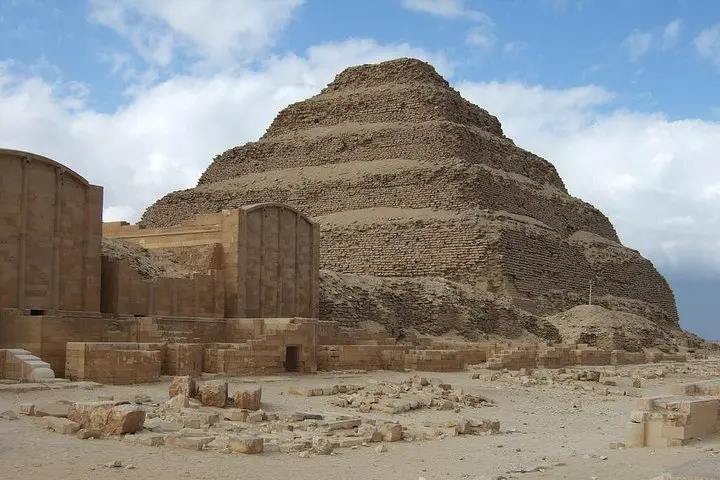
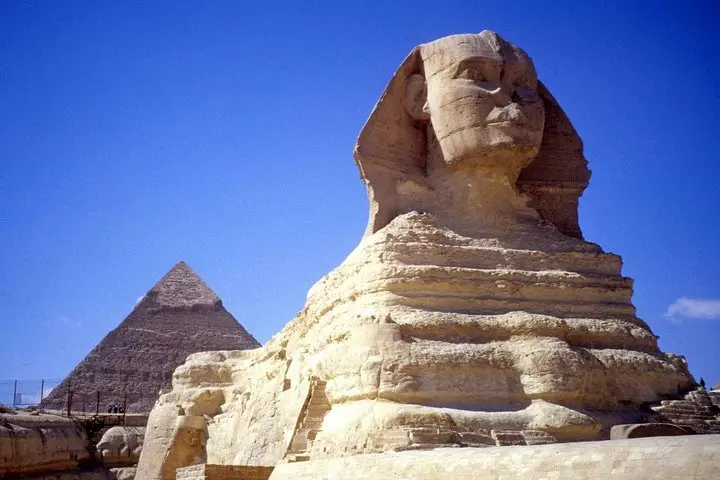
This route threads three eras of Egyptian authority. Saqqara’s Step Pyramid at Djoser marks the leap from mastaba tombs to monumental stonework in the Third Dynasty. The Giza Plateau houses Khufu, Khafre and Menkaure — architectural experiments in scale and sightlines — with the Sphinx gazing forward from the valley temple. Memphis, once the Old Kingdom’s administrative heart, offers statuary and a sense of civic ritual that organized early pharaonic power.
Geology and Nile alluvial deposits dictated building materials and settlement patterns: local limestone, transported stone and the river’s seasonal pulse shaped where people lived and where they buried their elites. Local culture remains present in guide narratives, roadside tea stops and the skillful camel handlers who have worked the plateau for generations.
Practicalities: expect a 7–8 hour private day with hotel pickup, bottled water, an Egyptologist guide, and optional 30‑minute camel ride; major site admissions are typically separate. Wear sturdy, closed shoes for uneven limestone surfaces, sun protection, and modest clothing for mosque visits or conservative sites. Start early for cooler light and fewer crowds, carry small bills for local vendors and tips, and set aside time to listen — the best stories here arrive from people who live where the stones meet sand.
Admission fees are typically not included in this tour price; confirm with the operator and have cash or card ready for entry tickets.
Camel rides are offered as an optional 30‑minute activity; handlers assist mounting and dismounting, but those with mobility concerns should opt out.
Access to pyramid interiors is restricted and may require separate tickets or be subject to conservation rules—check availability in advance.
This tour includes a qualified Egyptologist; major language options are often available—confirm when booking for your preferred language.
Egypt Daily Tours operates guided outdoor trips and adventures with an emphasis on safety, stewardship, and memorable experiences.
You step from an air‑conditioned vehicle into a wide, chalky light: the Great Pyramid rises like an older logic, each block a century of labor holding the sky at arm’s length. Camels shuffle, local guides call, and the Cairo skyline presses at the horizon — a modern city watching ancient geometry.
You step from an air‑conditioned vehicle into a wide, chalky light: the Great Pyramid rises like an older logic, each block a century of labor holding the sky at arm’s length. Camels shuffle, local guides call, and the Cairo skyline presses at the horizon — a modern city watching ancient geometry.
This route threads three eras of Egyptian authority. Saqqara’s Step Pyramid at Djoser marks the leap from mastaba tombs to monumental stonework in the Third Dynasty. The Giza Plateau houses Khufu, Khafre and Menkaure — architectural experiments in scale and sightlines — with the Sphinx gazing forward from the valley temple. Memphis, once the Old Kingdom’s administrative heart, offers statuary and a sense of civic ritual that organized early pharaonic power.
Geology and Nile alluvial deposits dictated building materials and settlement patterns: local limestone, transported stone and the river’s seasonal pulse shaped where people lived and where they buried their elites. Local culture remains present in guide narratives, roadside tea stops and the skillful camel handlers who have worked the plateau for generations.
Practicalities: expect a 7–8 hour private day with hotel pickup, bottled water, an Egyptologist guide, and optional 30‑minute camel ride; major site admissions are typically separate. Wear sturdy, closed shoes for uneven limestone surfaces, sun protection, and modest clothing for mosque visits or conservative sites. Start early for cooler light and fewer crowds, carry small bills for local vendors and tips, and set aside time to listen — the best stories here arrive from people who live where the stones meet sand.